

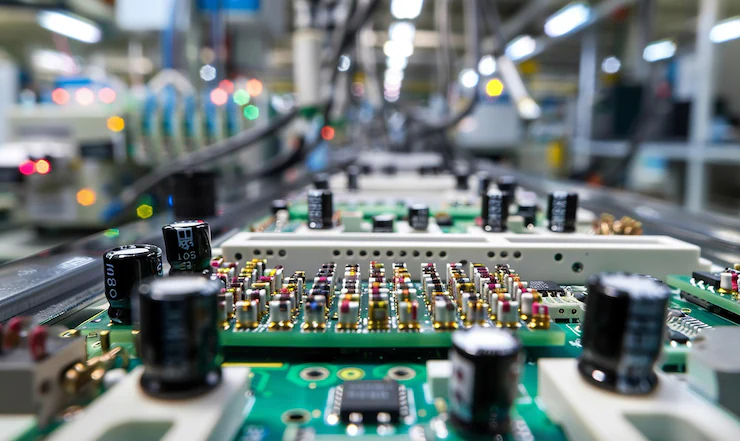
Integrated circuits, often referred to as ICs, are the backbone of modern electronics. These tiny components power everything from smartphones to computers, making them an essential part of our daily lives. Understanding the process of how these circuits are manufactured provides insight into the complexity and precision required in electronics production.
For those interested in the broader context of electronic product development, consider exploring our electronic product design performance testing guide for more detailed insights.
The Basics of IC Manufacturing
The production of integrated circuits involves several key steps, each critical to the creation of a functional and reliable product. The process begins with the preparation of a silicon wafer, which serves as the substrate for the IC. This wafer is meticulously cleaned to remove any impurities that could affect the circuit’s performance.
Photolithography: Crafting Circuit Patterns
Photolithography is a crucial step in IC manufacturing where patterns are transferred onto the silicon wafer. A light-sensitive chemical called photoresist is applied to the wafer, and ultraviolet light is used to etch the desired circuit pattern. This step is repeated multiple times to build up the various layers of the circuit.

Doping: Modifying Electrical Properties
Doping involves introducing impurities into the silicon wafer to alter its electrical properties. This process is essential for creating the semiconductor characteristics that allow the IC to function. Different doping materials are used depending on the desired electrical characteristics of the circuit.
Etching and Layering Techniques
Etching is used to remove unwanted material from the wafer, creating the intricate pathways necessary for circuit operation. This is followed by layering, where additional materials are deposited onto the wafer to form the complete circuit structure. Each layer must be precisely aligned to ensure proper circuit functionality.
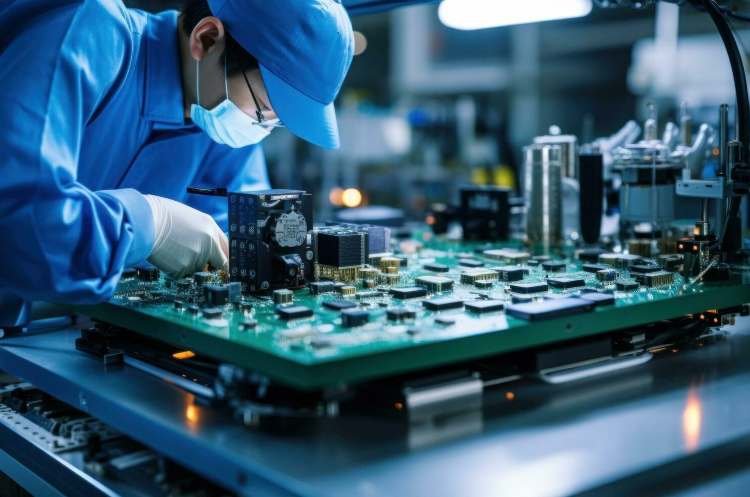
Testing and Quality Assurance
Once the IC is fully constructed, it undergoes rigorous testing to ensure it meets performance standards. This includes checking for defects and verifying that the circuit operates as intended. Quality assurance is critical, as even minor defects can lead to significant performance issues.
For more detailed information on testing and quality assurance in electronics, you might find the electronics tutorials resource helpful.
Packaging and Final Assembly
The final step in the IC manufacturing process is packaging. The circuit is enclosed in a protective casing to shield it from environmental damage and to facilitate its integration into electronic devices. This packaging must be robust yet compact to fit within the constraints of modern electronic products.
FAQs
What materials are used in integrated circuits?
Integrated circuits primarily use silicon as the base material. Other materials, such as metals for interconnections and various dopants, are also used to enhance electrical properties.
How long does it take to manufacture an integrated circuit?
The entire process of manufacturing an integrated circuit can take several weeks, depending on the complexity of the circuit and the production scale.
Why is quality control important in IC manufacturing?
Quality control ensures that each integrated circuit functions correctly and reliably. It helps prevent defects that could lead to device failures, which is crucial for maintaining product integrity and customer satisfaction.
