

The history of wearable technology is a fascinating journey that spans centuries, blending innovation, fashion, and function. From the earliest timepieces to the sophisticated smartwatches and health trackers of today, wearable devices have continually evolved to meet changing needs. These advancements have shaped how we interact with technology, monitor our health, and even express our personal style.
Understanding how wearable tech has developed provides valuable context for its current applications and future potential. Whether you’re interested in the origins of smart devices or the impact of wearables on daily life, exploring this evolution reveals both technological breakthroughs and cultural shifts.
For those involved in product development, considering the electronic product design safety standards comparison is essential when creating new wearable devices, ensuring both innovation and user safety.
Origins: Early Wearable Devices and Their Purposes
The roots of wearable technology can be traced back much further than most people realize. In the 16th century, the first mechanical watches were developed, allowing people to carry time with them wherever they went. These early timepieces, often worn as pendants or attached to clothing, marked the beginning of portable personal technology.
By the 19th century, eyeglasses became a common sight, serving both medical and fashion purposes. These simple yet transformative devices improved quality of life for millions and set the stage for more advanced wearables. Other early examples include hearing aids, which began as ear trumpets in the 1800s and gradually evolved into discreet electronic devices by the mid-20th century.
Wearable Technology in the 20th Century: From Calculators to Fitness
As electronics became more compact, the 20th century saw a surge in wearable innovations. The 1960s and 1970s introduced calculator watches, which combined timekeeping with basic computing power. These gadgets, popularized by brands like Casio, were among the first to blend utility and novelty in a wearable form.
In the 1980s, the first digital hearing aids and heart rate monitors emerged, expanding the role of wearables in health and wellness. Athletes and fitness enthusiasts began using chest-strap monitors to track their heart rates during exercise, foreshadowing the fitness trackers of today. The integration of sensors and microprocessors marked a significant leap in the history of wearable technology, paving the way for more sophisticated devices.

Smart Wearables: The Rise of Connected Devices
The late 1990s and early 2000s marked a turning point with the introduction of connected wearables. Bluetooth headsets allowed hands-free communication, while the first wearable computers—bulky by today’s standards—were used in specialized fields like military and logistics. The launch of the Fitbit in 2009 brought fitness tracking to the mainstream, enabling users to monitor steps, sleep, and activity levels with a simple wristband.
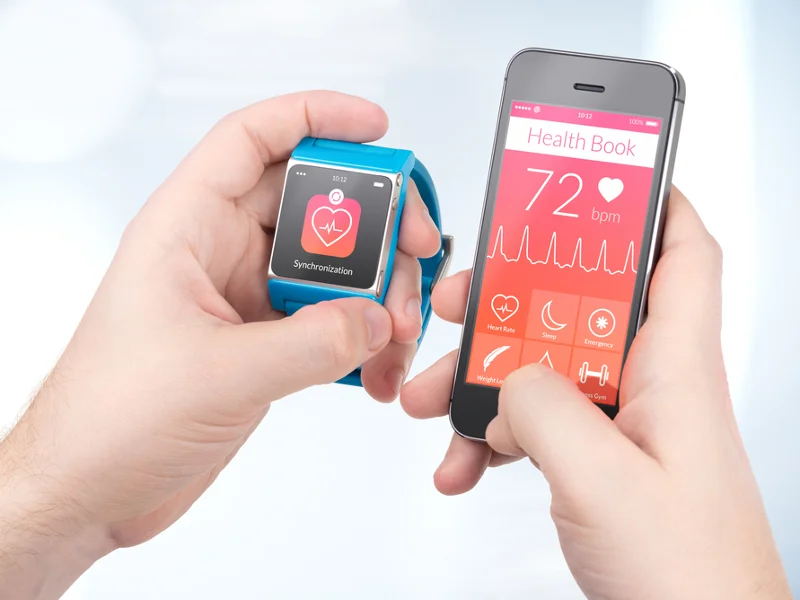
Smartwatches soon followed, with tech giants like Apple, Samsung, and Garmin entering the market. These devices combined the functionality of traditional watches with smartphone connectivity, notifications, and a growing array of health sensors. The integration of GPS, heart rate monitoring, and even ECG capabilities has made smartwatches indispensable for many users.
For a deeper understanding of how these devices function, you can explore the science behind wearable technology and discover how sensors, connectivity, and data analysis come together to create modern smart wearables.
Wearables in Healthcare: Monitoring and Improving Lives
One of the most significant impacts of wearable technology has been in the field of healthcare. Devices such as continuous glucose monitors, smart patches, and medical alert systems have empowered patients to take control of their health. Wearables now play a crucial role in remote patient monitoring, chronic disease management, and early detection of health issues.
Fitness trackers and smartwatches have also contributed to preventive healthcare by encouraging users to stay active, monitor their sleep, and manage stress. The ability to share data with healthcare providers has improved diagnosis and treatment, making wearables an integral part of modern medicine.

Everyday Life and Business: Expanding Roles for Wearable Devices
Beyond health and fitness, wearables have found applications in many aspects of daily life and business. Smart glasses, such as Google Glass and Microsoft HoloLens, offer augmented reality experiences for professionals in fields like engineering, healthcare, and logistics. Payment-enabled wearables allow users to make purchases with a tap of the wrist, while location trackers help parents and pet owners keep tabs on loved ones.
In the workplace, wearables can improve safety and productivity. For example, smart helmets and vests monitor environmental conditions and worker health in hazardous industries. Businesses are also exploring the use of wearables for authentication, access control, and workflow optimization.
As companies expand globally, understanding electronic product design for global markets becomes increasingly important for wearable tech developers, ensuring products meet diverse regulatory and cultural requirements.
Challenges and Considerations in Wearable Technology Development
While the progress of wearables has been impressive, several challenges remain. Privacy and data security are major concerns, as these devices collect sensitive health and personal information. Battery life, comfort, and durability are also critical factors influencing user adoption.
Designers must balance functionality with aesthetics, ensuring devices are both useful and wearable. Adhering to safety standards and regulatory requirements is essential, especially for medical and industrial applications. For those involved in product development, following a robust electronic product design documentation workflow can help streamline the process and ensure compliance.
The Future of Wearable Technology: What Lies Ahead?
The evolution of wearable technology shows no signs of slowing down. Emerging trends include smart fabrics, implantable devices, and advanced biosensors capable of detecting a wide range of health metrics. Artificial intelligence and machine learning are being integrated to provide personalized insights and predictive analytics.
As 5G networks expand and the Internet of Things (IoT) becomes more prevalent, wearables will become even more interconnected and capable. The focus will likely shift toward seamless integration with other devices, greater energy efficiency, and enhanced user privacy. The ongoing development of wearable technology promises to further blur the lines between digital and physical experiences, offering new possibilities for health, productivity, and entertainment.
Frequently Asked Questions
What were some of the first wearable devices?
Early examples include mechanical watches from the 16th century, eyeglasses, and hearing aids. These devices were designed to improve daily life and set the foundation for modern wearable tech.
How have wearables impacted healthcare?
Wearable devices have revolutionized healthcare by enabling continuous monitoring, early detection of health issues, and improved patient engagement. They support preventive care and allow for remote health management.
What challenges do wearable technology developers face?
Key challenges include ensuring data privacy, maintaining battery life, achieving comfortable and durable designs, and meeting regulatory standards. Developers must also consider user experience and global market requirements.
