


Designing electronic products for today’s markets requires careful attention to electromagnetic compatibility (EMC). Ensuring that devices do not emit excessive electromagnetic interference (EMI) and are immune to external sources is essential for both regulatory compliance and reliable operation. A thorough EMC testing procedures overview is crucial for engineers and manufacturers aiming to bring safe, compliant products to market.
This article provides a practical look at the main steps, standards, and considerations involved in EMC evaluation for electronic devices. Whether you are developing consumer electronics, industrial equipment, or automotive systems, understanding the essentials of EMC assessment helps you avoid costly redesigns and delays.
For a deeper dive into the step-by-step process, you can review the EMC testing process explained article, which covers compliance strategies in detail.
Understanding EMC and Its Importance in Product Development
Electromagnetic compatibility refers to a device’s ability to function as intended in its electromagnetic environment without introducing intolerable electromagnetic disturbances to anything in that environment. In practice, this means products must not emit interference that affects other equipment, nor should they be susceptible to interference from external sources.
Failing to address EMC can result in product malfunctions, safety hazards, or regulatory failures. Most countries require products to meet specific EMC standards before they can be sold. These requirements are enforced through a combination of design guidelines and formal testing procedures.
Stages of EMC Testing in Electronic Design
A structured EMC testing procedures overview typically involves several key phases throughout the product development lifecycle. Early planning and iterative testing help ensure compliance and reduce the risk of late-stage surprises.
- Pre-compliance testing: Conducted during prototyping, this stage identifies potential EMC issues early, allowing for design adjustments before formal testing.
- Compliance testing: Performed on final products, these tests are required for certification and market approval. They are usually conducted in accredited laboratories.
- Post-compliance monitoring: After certification, ongoing checks may be needed to ensure continued compliance, especially if design changes occur.

Key EMC Test Types and Standards
There are two main categories of EMC tests: emission and immunity. Each category addresses different aspects of electromagnetic compatibility and is governed by specific international standards.
Emission Testing
Emission tests measure the electromagnetic energy a device emits to ensure it does not exceed regulatory limits. Common emission tests include:
- Radiated emissions: Evaluates electromagnetic fields emitted through the air.
- Conducted emissions: Assesses unwanted signals transmitted via power lines or cables.
Standards such as CISPR 22/32 (for IT equipment) and FCC Part 15 (for US markets) specify acceptable emission levels and test methods.
Immunity Testing
Immunity tests determine a device’s resilience to external electromagnetic disturbances. Typical immunity tests include:
- Electrostatic discharge (ESD): Simulates static electricity events.
- Radiated immunity: Exposes the device to controlled electromagnetic fields.
- Conducted immunity: Applies disturbances through power or signal lines.
Relevant standards include IEC 61000-4 series, which covers various immunity test methods for different environments.
For more on the basics of compatibility requirements, see electromagnetic compatibility testing basics.
Preparing for EMC Assessment: Design and Documentation
Preparation is key to successful EMC evaluation. Good design practices, thorough documentation, and early testing can prevent costly failures during formal assessments.
- PCB layout: Careful placement of components, ground planes, and signal routing minimizes emissions and susceptibility.
- Shielding and filtering: Use of enclosures, ferrites, and filters helps control EMI at the source.
- Documentation: Maintain detailed records of design decisions, test setups, and results to support compliance claims.
Staying informed about EMC testing ISO standards explained is also important, as regulations may evolve over time.
Laboratory Testing: What to Expect
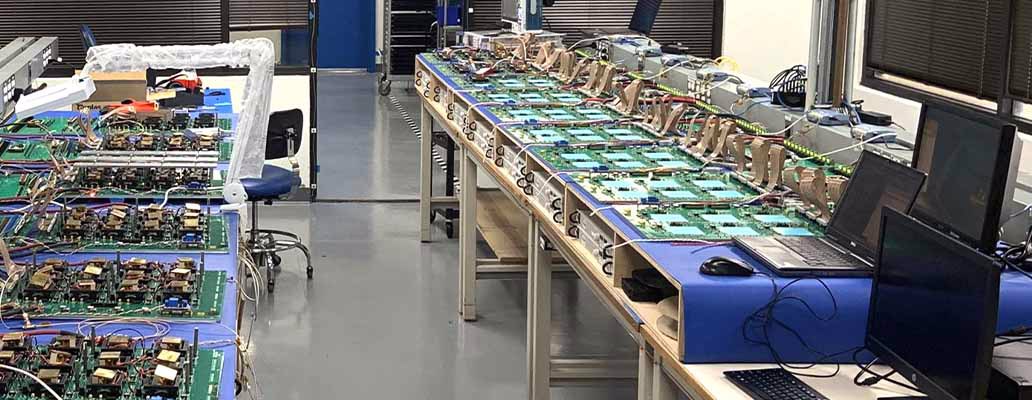
Formal EMC evaluation is typically performed in accredited labs equipped with specialized chambers and instruments. The process includes:
- Test plan review: The lab reviews the product’s intended use, applicable standards, and test methods.
- Test setup: Devices are configured according to standard requirements, including cable layouts and operating modes.
- Measurement: Emissions and immunity are measured using calibrated equipment, with results compared to regulatory limits.
- Reporting: Detailed reports document the procedures, results, and any failures or deviations.
Manufacturers should be prepared to address any non-compliance findings with design modifications and retesting as needed.
Global Compliance and Certification Pathways
Different regions have their own EMC regulations and certification processes. In the United States, the FCC governs most electronic products, while the European Union enforces the EMC Directive. Many countries also require ISO certification for electronics manufacturers. For a comprehensive guide, see ISO certification requirements for the electronics industry.
Working with experienced testing labs and consultants can help navigate the complexities of global compliance, especially for products intended for multiple markets.
For additional technical insights, the article on EMI testing electronics ISO requirements provides a detailed look at relevant standards and procedures.
Best Practices for Efficient EMC Evaluation
To streamline the process and avoid costly setbacks, consider these best practices:
- Integrate EMC considerations early in the design phase.
- Use pre-compliance testing to catch issues before formal assessment.
- Document all design changes and test results thoroughly.
- Stay updated on regulatory changes and emerging standards.
- Engage with accredited labs and experienced consultants for complex projects.
Manufacturers can also benefit from understanding ISO standards for EMC compliance electronics to ensure their processes align with industry best practices.
FAQ: Common Questions About EMC Testing
What is the difference between EMC and EMI?
EMC (electromagnetic compatibility) refers to a device’s ability to operate without causing or being affected by electromagnetic disturbances. EMI (electromagnetic interference) is the unwanted disturbance itself. EMC testing ensures products do not emit excessive EMI and are immune to it.
When should EMC testing be performed during product development?
It is best to address EMC early, starting with pre-compliance testing during prototyping. Formal compliance testing should be conducted on final production units before market release. Ongoing checks may be needed if design changes are made.
Are EMC standards the same worldwide?
No, different regions have their own standards and certification requirements. While many standards are harmonized internationally (such as IEC and CISPR), manufacturers must ensure their products meet the specific requirements of each target market.
