


When bringing a new electronic device to market, companies often face a critical decision: should they pursue full electronic product development vs design services or focus solely on design? Understanding the differences between these two approaches is essential for making informed choices that align with your business goals, budget, and technical requirements. This article breaks down the distinctions, advantages, and considerations of each path, helping you navigate the journey from concept to finished product.
For those seeking a deeper dive into system integration and related workflows, the electronic product design system integration guide offers valuable insights into aligning hardware, software, and manufacturing processes.
Understanding the Scope: From Concept to Market
The journey of creating a successful electronic device involves multiple stages, each requiring specific expertise. The distinction between electronic product development vs design services lies primarily in the breadth and depth of involvement throughout these stages.
- Product development encompasses the entire lifecycle, from initial idea and feasibility studies to prototyping, testing, certification, manufacturing, and post-launch support.
- Design services typically focus on the creative and technical aspects of turning requirements into schematics, layouts, and prototypes, but may not extend to manufacturing or market launch.
Choosing the right approach depends on your internal capabilities, project complexity, and long-term objectives.
What Is Electronic Product Development?
Product development is a comprehensive process that transforms an idea into a commercially viable product. It covers every phase, including:
- Requirements gathering and market research
- Conceptual and detailed design
- Prototyping and iteration
- Performance and safety testing
- Regulatory compliance and certification
- Manufacturing setup and supply chain management
- Product launch and ongoing support
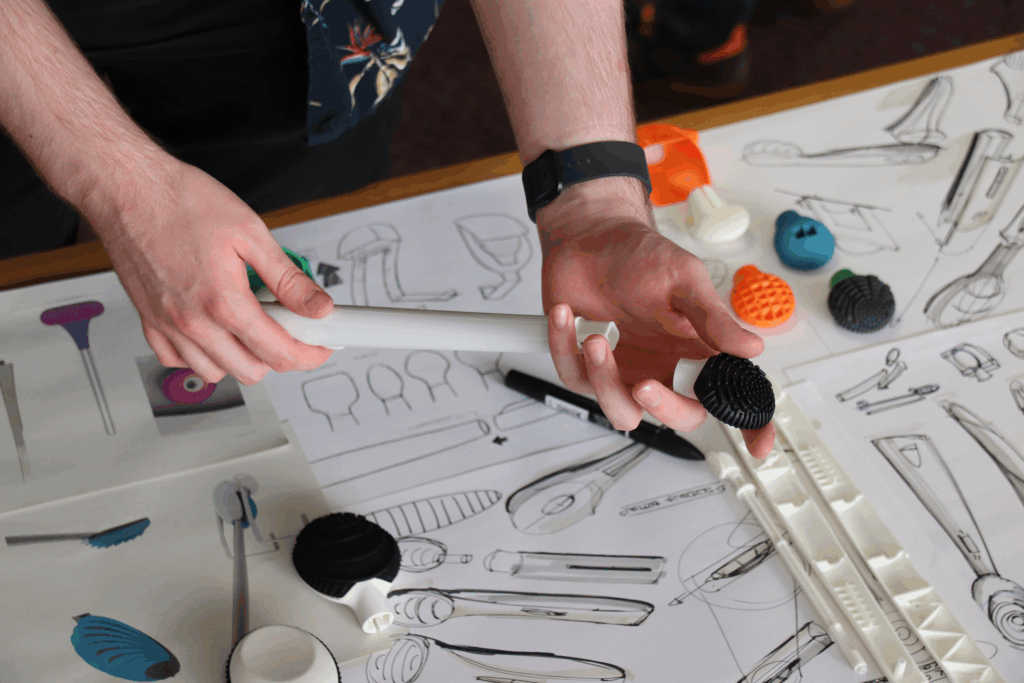
Companies that offer full product development services act as partners, guiding clients through technical, regulatory, and manufacturing challenges. This approach is ideal for startups or businesses lacking in-house engineering or production expertise.
Benefits of Full Product Development
- End-to-end accountability: One team manages the entire process, reducing miscommunication and delays.
- Risk reduction: Early identification of technical and regulatory hurdles.
- Faster time-to-market: Streamlined workflows and integrated teams accelerate progress.
- Manufacturing readiness: Designs are optimized for production from the outset.
What Are Electronic Design Services?
Design services focus on the creative and technical process of transforming requirements into functional prototypes and documentation. These services may include:
- Industrial and mechanical design
- Electronic circuit design and PCB layout
- Firmware and software development
- Prototype assembly and initial testing
Design consultancies typically hand off deliverables—such as schematics, layouts, or prototypes—to the client, who then manages manufacturing, certification, and logistics independently.
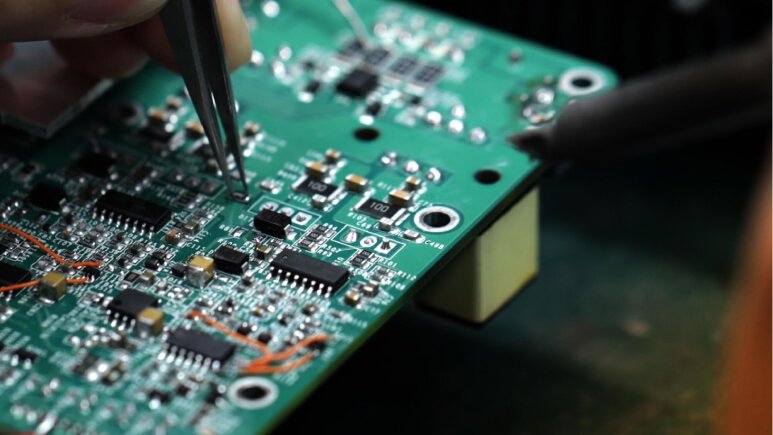
Advantages of Specialized Design Services
- Cost control: Pay only for the specific expertise or deliverables needed.
- Flexibility: Integrate with your own engineering or manufacturing teams.
- Access to niche skills: Leverage advanced design capabilities without hiring full-time staff.
- Rapid prototyping: Quickly iterate on concepts before committing to full-scale development.
Comparing Electronic Product Development and Design Services
To choose the right approach, it’s important to compare the two models across several key dimensions:
| Aspect | Product Development | Design Services |
|---|---|---|
| Scope | End-to-end (concept to market) | Design and prototyping only |
| Responsibility | Single point of accountability | Shared with client or other vendors |
| Cost Structure | Higher upfront, lower risk of rework | Lower initial cost, potential for added costs later |
| Ideal For | Startups, non-technical founders, complex projects | Companies with in-house engineering or manufacturing |
| Time-to-Market | Faster due to integrated process | Depends on client’s ability to manage next steps |
When to Choose Each Approach
Deciding between electronic product development vs design services depends on your organization’s needs and resources:
- Opt for full development if you need a turnkey solution, lack manufacturing experience, or want to minimize project risk.
- Choose design services if you have established supply chains, internal engineering, or only need help with specific technical challenges.
For projects requiring regulatory compliance, such as medical or industrial devices, a full development partner can help navigate certification and safety standards efficiently. If your focus is on rapid prototyping or proof-of-concept, design consultancies may offer the agility and specialization you need.
Integrating Design and Development for Success
Many companies find value in blending both models. For example, you might start with a design consultancy to create a prototype, then engage a product development firm to scale up for manufacturing and market launch. This hybrid approach allows for flexibility while ensuring that each phase is handled by the right experts.
For more on documentation and workflow best practices, see the electronic product design documentation workflow resource, which outlines how to maintain clarity and efficiency throughout the project lifecycle.
Key Considerations for Your Next Project
Before choosing between these two paths, consider the following:
- Project complexity: More complex products often benefit from integrated development teams.
- Budget and timeline: Weigh upfront costs against long-term savings from reduced risk and faster market entry.
- Internal expertise: Assess your team’s ability to manage manufacturing, compliance, and support.
- Intellectual property: Ensure clear agreements on IP ownership, especially when working with external partners.
For a detailed perspective on manufacturing and supply chain integration, the electronic design and manufacturing overview explains how design decisions impact production and long-term product success.
Frequently Asked Questions
What is the main difference between product development and design services for electronics?
The primary distinction is scope. Product development covers the entire process from concept to market launch, including manufacturing and compliance, while design services focus on creating functional prototypes and documentation, leaving production and logistics to the client.
When should a company choose full product development over design services?
Full product development is best for organizations lacking in-house engineering or manufacturing capabilities, or for projects requiring end-to-end management, regulatory compliance, and rapid market entry.
Can design services be integrated into a larger product development project?
Yes, many companies use design consultancies for early-stage prototyping and then transition to a full development partner for manufacturing and commercialization. This hybrid approach leverages specialized expertise at each phase.
How do I ensure my intellectual property is protected when working with external partners?
Always establish clear contracts outlining IP ownership, confidentiality, and usage rights before starting any project. Consult legal counsel to ensure your interests are protected throughout the process.
Are there risks in using only design services for complex electronic products?
Relying solely on design services can lead to challenges in manufacturing, certification, and market launch if your team lacks experience in those areas. For complex products, consider partners who can support the entire development lifecycle.
