

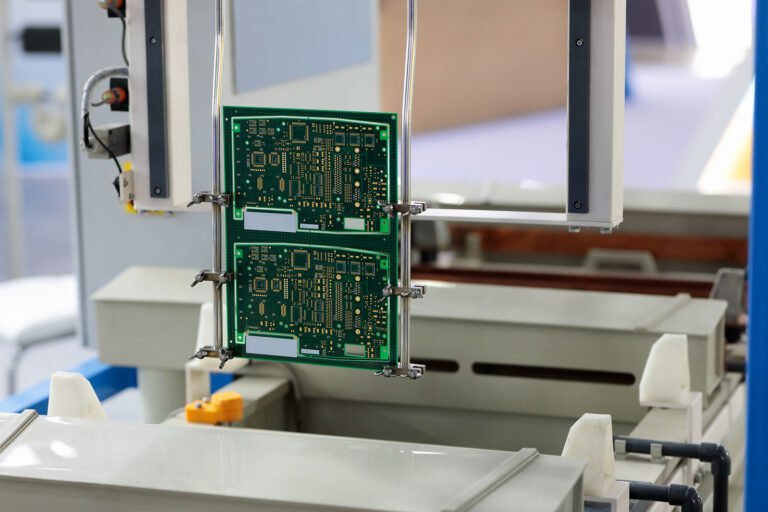
The world of electronics is rapidly evolving, and bringing a new device to market requires more than just a great idea. Electronic product design services explained is a topic that covers the full journey from concept to finished product, ensuring that every step is handled by experts. Whether you’re a startup founder, an established manufacturer, or a hobbyist with a vision, understanding these services is crucial for success.
This article breaks down the process, key stages, and what to expect from professional design partners. If you’re interested in sustainability and self-reliance, you might also appreciate our off-grid homestead sustainability tips, which show how technology and thoughtful design can support independent living.
What Are Electronic Product Design Services?
At its core, these services cover the full spectrum of activities needed to transform an idea into a market-ready electronic device. This includes concept development, circuit design, prototyping, testing, and manufacturing support. Companies specializing in this field work closely with clients to ensure that every technical and commercial requirement is met.
The process is highly collaborative. It often involves electrical engineers, industrial designers, software developers, and manufacturing experts. Their combined expertise ensures that the final product is functional, reliable, and ready for mass production.
Key Stages in the Product Development Lifecycle
Understanding the main phases of electronic product creation helps set expectations and avoid common pitfalls. Here’s a breakdown of the typical steps involved:
- Concept and Feasibility: This initial stage involves defining the product’s purpose, features, and user requirements. Feasibility studies help determine if the idea is technically and economically viable.
- System Architecture and Design: Engineers create block diagrams, select components, and outline the overall system structure. This step is crucial for balancing performance, cost, and manufacturability.
- Detailed Circuit Design: Schematics and printed circuit board (PCB) layouts are developed. Designers ensure signal integrity, power management, and compliance with industry standards.
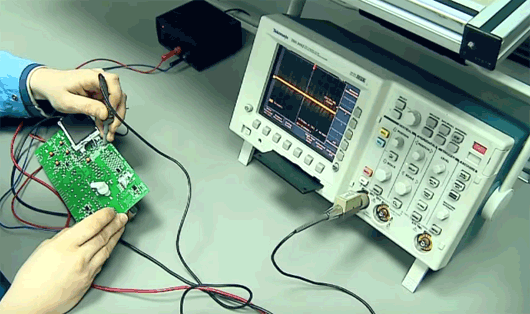
- Prototyping and Testing: Early models are built and tested for functionality, safety, and reliability. This is where issues are identified and resolved before moving to production.
- Design for Manufacturing (DFM): Adjustments are made to optimize the design for efficient, cost-effective manufacturing. This includes material selection, assembly methods, and quality control planning.
- Certification and Compliance: Products must meet regulatory requirements such as FCC, CE, or UL certifications. Design partners guide clients through the necessary testing and documentation.
- Production Support: Once the design is finalized, support continues with supplier selection, pilot runs, and troubleshooting during initial manufacturing.
Benefits of Working with Professional Design Partners
Partnering with an experienced team offers several advantages:
- Faster Time to Market: Experts streamline the process, reducing delays and costly mistakes.
- Risk Reduction: Thorough testing and compliance checks help avoid recalls and regulatory issues.
- Cost Efficiency: Optimized designs lower production costs and improve product margins.
- Access to Advanced Tools: Professional firms use the latest software and prototyping equipment.
- Scalability: Designs are created with future upgrades and mass production in mind.
For those interested in how design and technology intersect with sustainable living, our resource on tropical off-grid homesteading explores practical applications in challenging environments.
Choosing the Right Electronic Product Design Service Provider
Selecting a partner is a critical decision. Here are some factors to consider:
- Relevant Experience: Look for a track record in your industry or similar product categories.
- Technical Capabilities: Ensure the team can handle hardware, firmware, and software as needed.
- Communication: Clear, regular updates are essential for project success.
- Support for Certification: Navigating regulatory requirements is easier with experienced guidance.
- Post-Launch Assistance: Ongoing support for production and troubleshooting is a valuable asset.
For a detailed overview of what these services entail, you can review comprehensive electronic product design offerings from industry specialists.
Common Challenges and How to Overcome Them
Even with expert help, developing new electronics can present obstacles. Here are some typical issues and solutions:
- Unclear Requirements: Invest time in defining specifications and use cases before starting design work.
- Component Shortages: Work with partners who have strong supplier networks and can suggest alternatives.
- Design Iterations: Expect multiple rounds of prototyping and testing; budget time and resources accordingly.
- Regulatory Delays: Engage with certification bodies early and ensure documentation is complete.
- Scaling Production: Plan for manufacturing at scale from the beginning to avoid costly redesigns.
If you’re new to product development, learning from others’ experiences can be invaluable. Our article on mistakes new homesteaders make offers insight into avoiding common pitfalls, which is just as relevant in the tech world as it is in homesteading.
Frequently Asked Questions
What is included in a typical electronic product design service package?
Most packages cover concept development, circuit and PCB design, prototyping, testing, and support for manufacturing and certification. Some firms also offer software development and post-launch assistance.
How long does it take to develop a new electronic product?
Timelines vary depending on complexity, but a simple device might take 3–6 months, while more advanced products can require a year or longer. Early planning and clear requirements help speed up the process.
Can these services help with regulatory compliance?
Yes, experienced providers guide clients through the necessary testing and documentation for certifications like FCC, CE, or UL. This reduces the risk of delays and ensures products meet market requirements.
Conclusion
Navigating the journey from idea to finished device is complex, but with the right support, it becomes manageable and rewarding. Professional design services provide the expertise, tools, and guidance needed to turn concepts into reliable, manufacturable products. By understanding the process and choosing the right partner, innovators can bring their visions to life while avoiding common setbacks.
For those interested in how technology supports independent living, don’t miss our guide on can you live off-grid legally for practical insights into self-sufficiency and compliance.
