

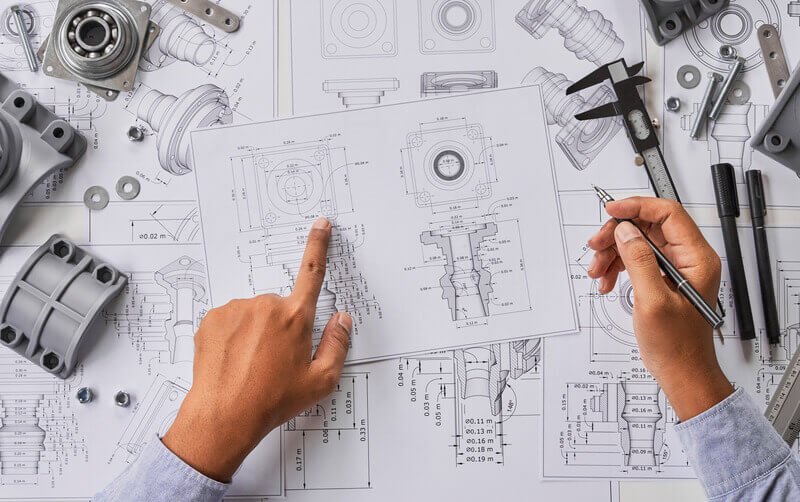
The seamless combination of electronic product design and industrial design integration is a driving force behind the success of modern consumer electronics, smart devices, and industrial equipment. As technology advances, the lines between functionality and form have become increasingly blurred. Today, it is essential for businesses and engineers to consider both the technical and aesthetic aspects from the earliest stages of development. This approach not only enhances user experience but also improves manufacturability, reliability, and market appeal.
Whether you are launching a new device or refining an existing product, understanding how to merge electronic engineering with industrial design principles is crucial. For a detailed look at the step-by-step development process, you may find the electronic prototyping process guide helpful as you navigate early-stage decisions.
Why Merging Electronic Engineering and Industrial Design Matters
Integrating electronic product design with industrial design is more than just aligning circuit boards with enclosures. It is about creating products that are not only functional but also intuitive, visually appealing, and manufacturable at scale. This holistic approach ensures that technical requirements do not compromise usability, and vice versa.
- User-Centered Products: Devices designed with both technical and human factors in mind are easier to use and more likely to succeed in the market.
- Manufacturing Efficiency: Early collaboration reduces costly design changes and streamlines the transition from prototype to production.
- Brand Differentiation: Well-integrated products stand out through unique aesthetics and superior ergonomics.
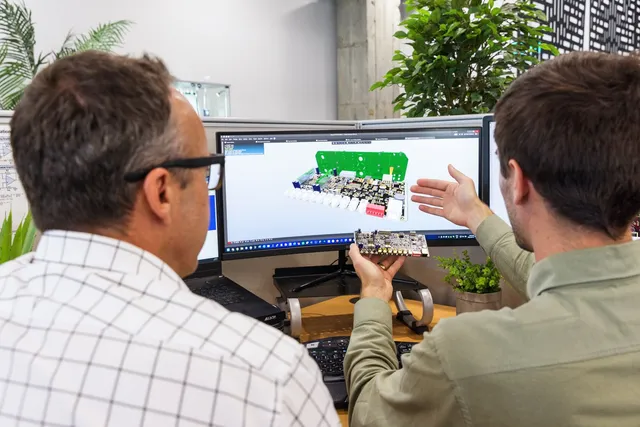
Key Steps in Electronic Product and Industrial Design Collaboration
Successful integration relies on a structured process that brings together electrical engineers, industrial designers, and manufacturing experts. Here are the essential stages:
- Requirements Gathering: Define the product’s purpose, user needs, technical constraints, and regulatory requirements. Early alignment prevents costly redesigns later.
- Concept Development: Brainstorm and sketch ideas that balance technical feasibility with user experience. Industrial designers and engineers work together to ensure concepts are both innovative and practical.
- Prototyping: Build functional and visual prototypes to test form, fit, and function. This stage often involves several iterations to refine both the electronics and the enclosure.
- Design Validation: Evaluate prototypes with users and stakeholders. Gather feedback on usability, aesthetics, and performance, then adjust designs as needed.
- Preparation for Manufacturing: Finalize materials, tolerances, and assembly methods. Ensure that the design can be produced reliably and cost-effectively.
For a deeper dive into each phase, the electronic product design process steps article offers a comprehensive breakdown.
Challenges in Combining Electronic and Industrial Design
While the benefits are clear, integrating these disciplines presents several challenges:
- Conflicting Priorities: Engineers may prioritize performance and reliability, while designers focus on aesthetics and user experience. Regular communication and compromise are essential.
- Space Constraints: Fitting complex electronics into sleek, compact enclosures often requires creative solutions and close collaboration.
- Thermal Management: Electronic components generate heat, which must be managed without sacrificing the product’s look or feel.
- Material Compatibility: Choosing materials that support both electronic function and industrial design goals can be challenging, especially when considering durability, weight, and cost.
Best Practices for Effective Electronic Product Design Industrial Design Integration
To overcome the challenges and maximize the benefits of this collaborative approach, consider these proven strategies:
- Cross-Functional Teams: Assemble teams with expertise in electronics, mechanical engineering, industrial design, and manufacturing. Encourage open dialogue and shared decision-making.
- Concurrent Engineering: Develop electronic and industrial design elements in parallel rather than sequentially. This reduces time-to-market and ensures better alignment.
- Rapid Iteration: Use 3D printing, simulation, and quick-turn PCB fabrication to test ideas quickly. Early prototyping helps identify issues before they become costly.
- Design for Manufacturability (DFM): Involve manufacturing experts early to ensure that designs can be produced efficiently and at scale.
- User Testing: Gather feedback from real users throughout development. This ensures the final product meets both functional and experiential goals.
For more on the advantages of this integrated approach, the article on the benefits of electronic product design services highlights key outcomes for businesses and end-users.
Industry Trends Shaping Integrated Product Development
The landscape of electronic and industrial design integration is evolving rapidly. Several trends are influencing how teams approach product development:
- Miniaturization: As devices become smaller and more powerful, the need for close coordination between electronics and enclosure design increases.
- Sustainability: Eco-friendly materials and energy-efficient electronics are now standard expectations, requiring joint planning from the outset.
- Smart Connectivity: The rise of IoT and connected devices means that wireless modules, antennas, and sensors must be integrated without compromising design integrity.
- Customization: Consumers and businesses demand personalized products, pushing teams to create flexible designs that can be easily adapted.
For a comprehensive overview of the electronics development process, including how these trends are addressed, see this comprehensive guide to electronics design services and the design process.
Integrating Embedded Systems and Industrial Design
As more products rely on embedded systems, the intersection of software, hardware, and industrial design becomes even more critical. Teams must consider not only the placement of electronic components but also how firmware, user interfaces, and connectivity features interact with the physical product.
For insights into this specialized area, the embedded systems product design services explained article provides an in-depth look at best practices and common pitfalls.
FAQ
What are the main benefits of integrating electronic and industrial design?
Combining these disciplines leads to products that are both technically robust and user-friendly. Benefits include faster time-to-market, reduced development costs, improved product reliability, and a stronger market presence due to superior aesthetics and usability.
How early should industrial design be involved in the electronic product development process?
Industrial design should be included from the very beginning. Early involvement ensures that user experience, ergonomics, and manufacturability are considered alongside technical requirements, minimizing the risk of costly redesigns.
What challenges should teams expect when merging electronic and industrial design?
Common challenges include balancing technical and aesthetic priorities, managing space and thermal constraints, and selecting materials that meet both functional and design goals. Open communication and iterative prototyping are key to overcoming these hurdles.
Conclusion
The integration of electronic product design and industrial design is essential for creating innovative, reliable, and appealing products in today’s competitive landscape. By fostering collaboration between engineering and design teams, leveraging best practices, and staying attuned to industry trends, organizations can deliver solutions that meet the needs of both users and manufacturers.
To further explore the topic, the electronic product design services explained resource offers additional guidance for teams looking to optimize their development process.
