

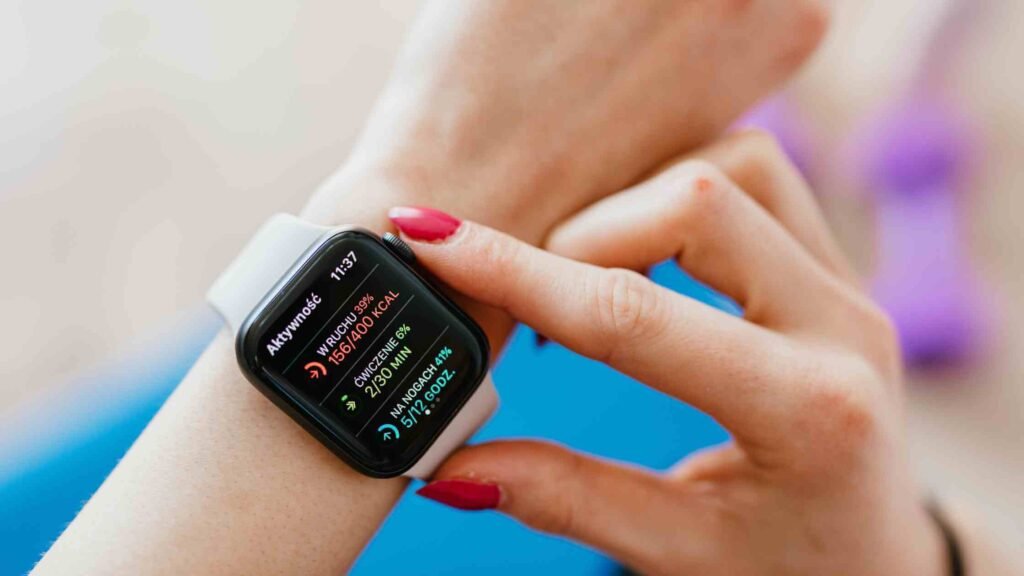
Wearable devices have rapidly become a part of daily life, from fitness trackers and smartwatches to advanced health monitors. These gadgets collect a wide range of personal data, including steps taken, heart rate, sleep patterns, and even location information. As the adoption of wearables grows, so do concerns about data privacy in wearable technology. Understanding how your information is gathered, stored, and shared is essential to making informed decisions about which devices to use and how to protect your sensitive details.
The intersection of convenience and privacy is especially relevant for those interested in health and wellness. For a deeper dive into health data regulations, you may want to explore HIPAA compliance and wearables, which covers how privacy laws apply to these devices.
Understanding How Wearables Collect and Use Personal Data
Most wearable devices are designed to track and analyze physical activity, health metrics, and sometimes even environmental data. These devices often sync with mobile apps or cloud platforms, where the information is processed and visualized for users. The types of data collected can include:
- Biometric data (heart rate, blood oxygen, sleep cycles)
- Location and movement patterns
- Personal identifiers (name, age, gender)
- Device usage statistics
While this information can help users monitor their health and achieve fitness goals, it also raises questions about who else can access it. Manufacturers, app developers, and sometimes third-party partners may have access to this data, depending on the device’s privacy policy.
Key Privacy Risks Associated With Smart Devices
The convenience of wearables comes with several privacy risks. Some of the most pressing concerns include:
- Unauthorized data sharing: Some devices transmit information to third parties for analytics, advertising, or research without explicit user consent.
- Data breaches: Wearables can be targeted by hackers, leading to the exposure of sensitive health and personal data.
- Inadequate encryption: If data is not properly encrypted during transmission or storage, it becomes vulnerable to interception.
- Location tracking: Continuous GPS monitoring can reveal personal routines and whereabouts, posing security risks.
These risks highlight the importance of understanding privacy settings and the policies of the companies behind your devices. For those interested in how these concerns play out in daily life, the rural off-grid lifestyle offers a unique perspective on balancing technology and privacy.
Best Practices for Protecting Data Privacy in Wearable Technology
Users can take several steps to safeguard their information when using wearables. Here are some practical tips:
- Review privacy policies: Before purchasing or activating a device, read the manufacturer’s privacy statement to understand how your data will be used and shared.
- Adjust settings: Most devices and companion apps allow you to control what data is collected and shared. Disable features you don’t need, such as location tracking or automatic data uploads.
- Use strong authentication: Enable password protection, PIN codes, or biometric locks on both your wearable and its paired smartphone.
- Update software regularly: Keeping your device’s firmware and app up to date ensures you have the latest security patches.
- Limit third-party access: Only grant permissions to trusted apps and services. Revoke access for apps you no longer use.
By following these steps, users can significantly reduce the risk of unauthorized access to their personal information.
Regulations and Industry Standards Shaping Wearable Data Security
Governments and industry bodies are increasingly aware of the privacy implications of wearable devices. Regulations such as the General Data Protection Regulation (GDPR) in Europe and the Health Insurance Portability and Accountability Act (HIPAA) in the United States set standards for how personal and health data should be handled.
Manufacturers are also adopting industry best practices, including end-to-end encryption and transparent privacy controls. For more on how these standards impact device functionality, see fitness wearables explained, which covers features and benefits in detail.
How to Choose Wearables With Strong Privacy Protections
When shopping for a new device, consider the following factors to ensure your data stays secure:
- Reputation of the manufacturer: Choose brands with a proven track record of prioritizing user privacy and security.
- Transparency: Look for devices that clearly explain what data is collected, how it’s used, and who it’s shared with.
- Privacy features: Opt for wearables that offer customizable privacy settings, robust encryption, and regular security updates.
- Compliance: Devices that comply with recognized privacy standards and regulations provide additional peace of mind.
For a comprehensive overview of the types of devices available and their applications, the ARI Hub’s guide to wearable technology in aged care offers valuable insights.
Balancing Convenience and Security in Everyday Life
Wearables offer significant benefits, from motivating healthier habits to providing real-time health insights. However, these advantages must be weighed against the potential risks to personal privacy. By staying informed and proactive, users can enjoy the benefits of technology without sacrificing control over their information.
If you’re curious about how these devices work behind the scenes, check out how fitness trackers work for a detailed explanation of the technology powering modern wearables.
FAQ: Common Questions About Wearable Device Privacy
What types of personal data do wearables typically collect?
Most wearables gather biometric data (such as heart rate, sleep patterns, and activity levels), location information, and sometimes personal identifiers like age or gender. Some advanced devices may also collect environmental data or even detect falls and other health events.
How can I control what data my wearable shares?
You can usually adjust privacy settings in the device’s companion app or directly on the wearable. Disable features you don’t need, review which third-party apps have access, and regularly check for software updates to maintain security.
Are there regulations that protect my wearable data?
Yes, several laws and industry standards govern the collection and use of personal data from wearables. In the US, HIPAA covers health data in certain contexts, while GDPR provides strong protections for European users. Always check if your device complies with relevant regulations.
What should I do if my wearable is lost or stolen?
Immediately change passwords for any linked accounts, use remote wipe features if available, and notify your device manufacturer. This helps prevent unauthorized access to your personal information.
Where can I learn more about sleep tracking and privacy?
For additional information on sleep monitoring devices and privacy considerations, visit sleep tracking wearables explained.
