

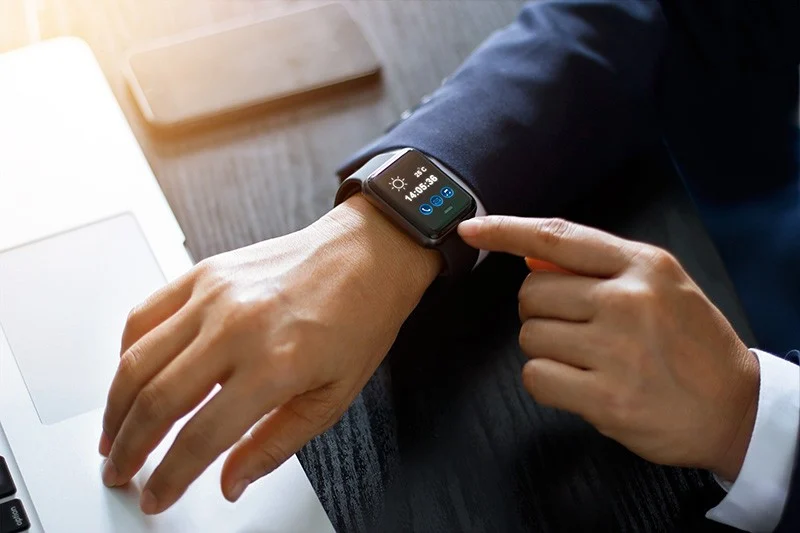
Cross platform wearable app development has become a vital approach for businesses and developers aiming to reach users across multiple devices and operating systems. As wearables like smartwatches, fitness trackers, and AR glasses become more prevalent, the demand for applications that work seamlessly on different platforms continues to grow. This guide breaks down the essentials of building wearable apps that function smoothly on both Android and iOS devices, the benefits of this strategy, and the challenges you may encounter along the way.
Before diving into the technical details, it’s important to understand how cross-device compatibility can influence the overall product lifecycle. For those interested in the broader context of hardware and software integration, the electronic product design system integration guide offers valuable insights into creating cohesive digital experiences.
Understanding Wearable Technology and Its Ecosystem
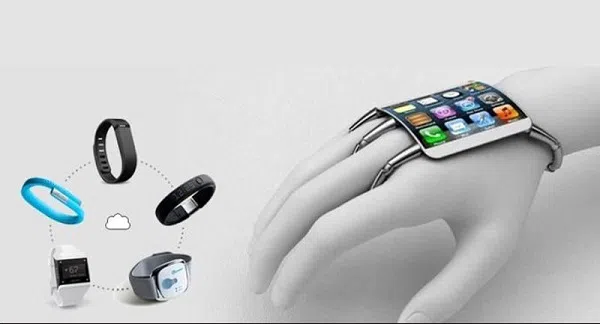
Wearable devices are compact, sensor-rich gadgets designed to be worn on the body, offering unique ways to collect, process, and display information. They range from smartwatches and fitness bands to medical monitors and augmented reality headsets. Each device often runs on its own operating system—such as Wear OS, watchOS, or proprietary firmware—making development for multiple platforms a complex task.
For a deeper dive into the technical landscape and evolution of wearables, resources like this overview of wearable technology provide a comprehensive background on the subject.
Why Choose a Unified Approach for Wearable Apps?
Building a single codebase that supports various wearable operating systems offers several advantages:
- Wider Market Reach: By supporting both Android and iOS wearables, you can target a larger user base without duplicating development efforts.
- Consistent User Experience: A unified approach ensures that users get a similar look and feel across devices, which helps with brand recognition and usability.
- Reduced Costs and Time: Maintaining one codebase is typically faster and more cost-effective than developing separate native apps for each platform.
- Easier Updates and Maintenance: Bug fixes and feature updates can be rolled out simultaneously, streamlining the maintenance process.

Key Technologies for Cross-Platform Wearable App Development
Several frameworks and tools have emerged to simplify the process of developing wearable apps for multiple platforms. Here are some of the most popular options:
- Flutter: Google’s UI toolkit allows for building natively compiled applications for mobile, web, and wearables from a single codebase. Its widget-based architecture makes it adaptable for small screens.
- React Native: Developed by Facebook, React Native lets you use JavaScript and React to create apps for both Android and iOS. While primarily used for smartphones, it can be extended to wearables with the right plugins and libraries.
- Xamarin: Microsoft’s Xamarin enables developers to use C# and .NET to build cross-platform applications, including those for wearables like Android Wear and watchOS.
- Unity: While best known for game development, Unity is also used for AR/VR and wearable experiences, especially when advanced graphics or 3D interactions are required.
Choosing the right framework depends on your team’s expertise, the complexity of your app, and the specific features you need to support on each platform.
Challenges in Building Apps for Multiple Wearable Platforms
Despite the benefits, creating apps that work seamlessly across different wearable devices comes with its own set of challenges:
- Hardware Variability: Wearables differ in screen size, resolution, sensors, and input methods, requiring careful UI/UX design and adaptive layouts.
- Operating System Fragmentation: Each wearable OS has unique APIs and limitations, which can complicate feature parity and performance optimization.
- Battery Life: Wearable devices have limited battery capacity, so efficient coding and resource management are essential.
- Security and Privacy: Handling sensitive health and location data demands robust security practices and compliance with regulations.
Best Practices for Developing Wearable Apps Across Platforms
To maximize the effectiveness of your cross-device app strategy, consider the following best practices:
- Design for Small Screens: Prioritize simplicity and clarity. Use large touch targets, concise text, and intuitive navigation.
- Leverage Platform-Specific Features: While maintaining a shared codebase, take advantage of unique hardware capabilities (like heart rate sensors or GPS) through conditional coding or plugins.
- Optimize Performance: Minimize background processes and optimize data synchronization to preserve battery life and ensure smooth operation.
- Test on Real Devices: Emulators are helpful, but real-world testing on multiple devices is crucial for catching UI glitches and performance issues.
- Follow Security Best Practices: Encrypt sensitive data, use secure communication protocols, and stay updated on privacy regulations relevant to wearable data.
Integrating Wearable Apps with Broader Electronic Systems
Wearable applications rarely operate in isolation. They often interact with smartphones, cloud services, and other IoT devices. Ensuring seamless integration is key to delivering a robust user experience. For developers working on more comprehensive projects, exploring resources like the electronic product design documentation workflow can help streamline the process from concept to deployment.
Future Trends in Multi-Platform Wearable App Development
The wearable landscape continues to evolve rapidly. Some emerging trends include:
- AI and Machine Learning: Personalized health insights, gesture recognition, and predictive analytics are becoming standard features in next-generation wearables.
- Voice and Gesture Controls: As input methods diversify, apps must adapt to support hands-free and intuitive interactions.
- Interoperability: The push for open standards and APIs is making it easier to connect wearables with other smart devices and services.
- Healthcare Integration: Medical-grade wearables are driving demand for secure, compliant, and interoperable applications.
FAQ: Common Questions About Cross-Device Wearable App Development
What are the main benefits of building wearable apps for multiple platforms?
Developing apps that work on both Android and iOS wearables allows you to reach a broader audience, maintain a consistent user experience, and streamline updates and maintenance. It also reduces development costs by enabling code reuse across platforms.
Which frameworks are best for cross-device wearable app projects?
Popular choices include Flutter, React Native, Xamarin, and Unity. The best option depends on your team’s skills, the type of wearable devices you are targeting, and the specific features your app requires.
How can I ensure my wearable app performs well on all devices?
Test your app on a variety of real devices, optimize for battery efficiency, and design adaptive user interfaces. Pay attention to the unique hardware and software characteristics of each platform to deliver a smooth and reliable experience.
