

Bringing an electronic product from concept to market involves a complex blend of creativity, engineering, and strategic planning. Whether you are a startup founder, an established manufacturer, or an entrepreneur exploring new technology, understanding the landscape of electronic product design services is essential for success. This comprehensive resource explores the stages, benefits, and best practices for leveraging professional design services to turn your ideas into reliable, market-ready devices.
From initial ideation to prototyping and compliance, each phase requires careful coordination and technical expertise. By working with experienced partners, you can streamline development, reduce risks, and ensure your product meets both user expectations and regulatory requirements. For those interested in optimizing performance, the electronic product design performance testing guide offers valuable insights into ensuring reliability and quality throughout the process.
Understanding the Scope of Electronic Product Design
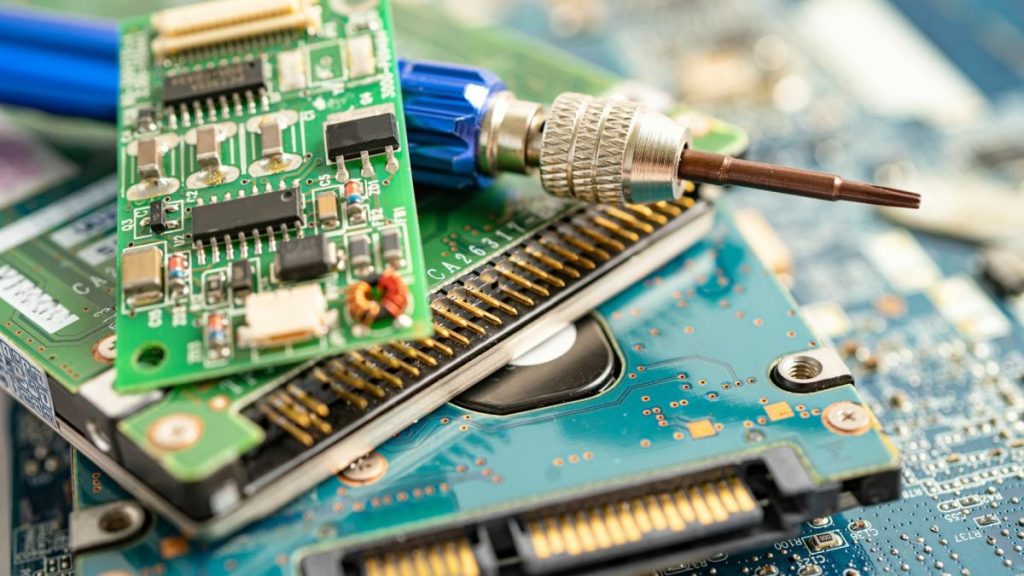
Electronic product design encompasses a wide range of activities, from initial concept development through to manufacturing support. The process typically includes:
- Conceptualization: Defining the product’s purpose, target audience, and unique features.
- Feasibility Analysis: Assessing technical and commercial viability.
- System Architecture: Outlining hardware and software requirements.
- Circuit Design: Creating schematics and selecting components.
- PCB Layout: Designing the physical layout for printed circuit boards.
- Prototyping: Building and testing initial versions of the device.
- Firmware and Software Development: Programming embedded systems and user interfaces.
- Testing and Validation: Ensuring the product meets functional and regulatory standards.
- Manufacturing Support: Preparing documentation and processes for mass production.
Each of these stages requires specialized knowledge and tools, making it beneficial to work with a team that offers end-to-end design services.
Key Benefits of Professional Design Services
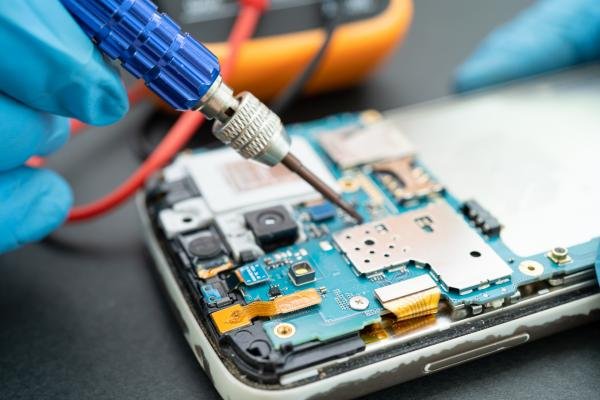
Partnering with a dedicated design firm offers several advantages over handling development in-house:
- Access to Expertise: Benefit from engineers and designers with experience across multiple industries and technologies.
- Faster Time to Market: Streamlined processes and established workflows can accelerate development cycles.
- Risk Reduction: Thorough testing and validation help identify and resolve issues early, minimizing costly revisions later.
- Regulatory Compliance: Professional teams are familiar with certification requirements, helping you avoid delays and legal complications.
- Cost Efficiency: Outsourcing can be more economical than building an in-house team, especially for specialized tasks.
For products targeting international markets, it’s also important to consider localization and compliance with different regional standards. Resources like the electronic product localization considerations guide can help you navigate these complexities.
Stages of the Electronic Product Development Lifecycle
Understanding the typical workflow can help you plan and manage your project more effectively. Here’s a breakdown of the main phases:
1. Requirements Gathering and Conceptual Design
This initial stage involves defining the product’s objectives, features, and constraints. Collaboration between stakeholders ensures the design aligns with business goals and user needs.
2. Detailed Engineering and Prototyping
Engineers create detailed schematics, select components, and design the PCB layout. Prototypes are built to test functionality, performance, and user experience. Iterative testing and refinement are crucial at this stage.
3. Firmware and Software Integration
Most modern devices require embedded software or firmware. Integration with hardware is tested to ensure seamless operation. User interfaces and connectivity features are also developed during this phase.
4. Testing, Validation, and Compliance
Comprehensive testing verifies that the product meets all technical and regulatory requirements. This includes electrical safety, electromagnetic compatibility, and environmental standards. For a deeper dive, the electronic product design usability testing guide covers best practices for ensuring a positive user experience.
5. Preparation for Manufacturing
Once the design is finalized, documentation and support are provided to facilitate mass production. This may include test procedures, assembly instructions, and quality control plans.
Choosing the Right Design Partner
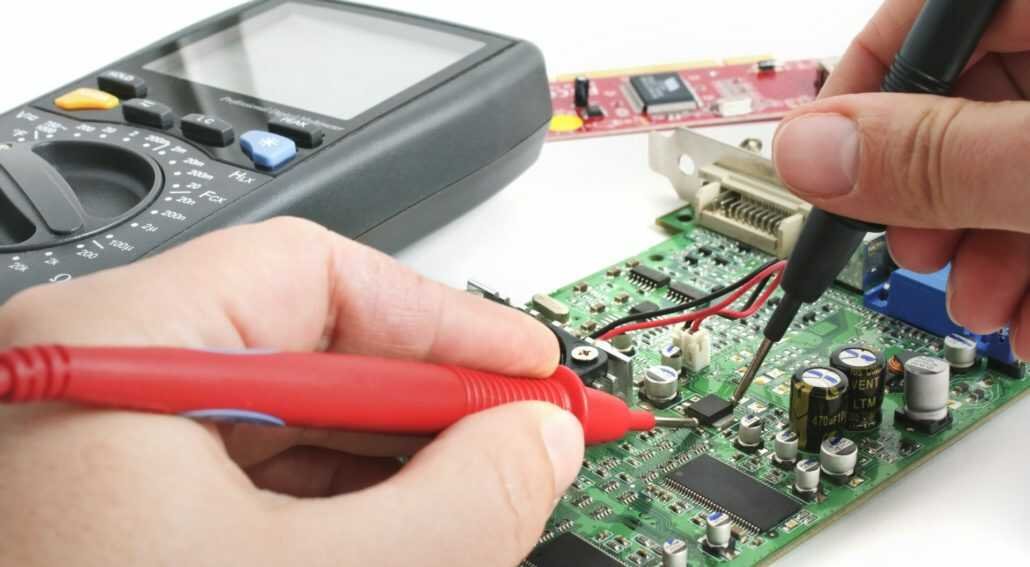
With many firms offering product development services, selecting the right partner is critical. Consider the following factors:
- Experience and Track Record: Look for a portfolio that demonstrates successful projects similar to yours.
- Technical Capabilities: Ensure the team has expertise in the technologies and standards relevant to your product.
- Communication and Collaboration: Transparent processes and regular updates are essential for staying on track.
- Support for the Full Lifecycle: Ideally, your partner should offer support from concept through to manufacturing and post-launch optimization.
- References and Reviews: Seek feedback from previous clients to gauge reliability and quality.
For additional tips on successful development, the electronic product development success tips article provides expert advice on avoiding common pitfalls and maximizing your investment.
Cost Considerations and Budgeting
Budgeting for electronic product development involves more than just engineering hours. Consider the following cost drivers:
- Complexity of Design: Advanced features, miniaturization, and wireless connectivity can increase costs.
- Prototyping and Testing: Multiple iterations may be required to achieve optimal performance and compliance.
- Certification and Regulatory Fees: Meeting industry standards often involves third-party testing and documentation.
- Manufacturing Setup: Tooling, assembly, and supply chain management add to the overall investment.
Planning for the full lifecycle—from initial design through to end-of-life—can help you avoid unexpected expenses. The electronic product lifecycle cost analysis resource offers a comprehensive look at managing costs throughout your product’s journey.
Best Practices for a Successful Project
To maximize your chances of success, keep these best practices in mind:
- Define Clear Objectives: Establish measurable goals and success criteria from the outset.
- Prioritize User Experience: Design with the end user in mind, focusing on usability and reliability.
- Iterate and Test Early: Rapid prototyping and early testing help identify issues before they become costly problems.
- Document Everything: Maintain thorough records of design decisions, test results, and changes.
- Plan for Scale: Consider manufacturing, support, and future updates as part of your initial design.
Frequently Asked Questions
What are the main stages involved in electronic product development?
The process typically includes concept development, feasibility analysis, detailed engineering, prototyping, firmware and software integration, testing and validation, and preparation for manufacturing. Each stage builds upon the previous one to ensure a reliable, market-ready product.
How do professional design services help reduce development risks?
Experienced design teams use established processes, thorough testing, and regulatory knowledge to identify and address potential issues early. This reduces the likelihood of costly revisions and delays later in the project.
What should I look for when choosing a design partner?
Key factors include relevant experience, technical expertise, transparent communication, full lifecycle support, and positive client references. A strong partner will guide you through every phase, from concept to production.
How can I manage costs during the development process?
Careful planning, clear objectives, early prototyping, and consideration of the full product lifecycle can help you control expenses. Working with an experienced partner also helps avoid common budget overruns.
Where can I learn more about usability and performance testing?
Guides such as the electronic product design usability testing guide and the electronic product design performance testing guide provide in-depth information on ensuring your product meets user needs and performs reliably.
