

Designing hardware can be a complex process. It requires a deep understanding of engineering principles, a keen eye for detail, and a thorough knowledge of the materials and components involved. However, even the most experienced designers can fall into the trap of making common mistakes in hardware design. These errors can lead to costly and time-consuming revisions, or worse, a product that fails to meet its intended purpose.
Understanding these pitfalls is the first step towards avoiding them. In this article, we’ll delve into some of the most frequent errors made during the hardware design process and provide practical tips to help you steer clear of them. We’ll also discuss some strategies for improving your overall design approach.

Before we dive in, it’s worth noting that avoiding these errors requires a well-rounded understanding of the entire hardware innovation process. From concept to prototype, every step of the journey presents unique challenges and potential pitfalls.
Overlooking the Importance of Prototyping
One of the most common errors in hardware design is neglecting the importance of prototyping. Prototyping allows designers to test their ideas in a tangible form, identify potential issues, and refine the design before moving into production.
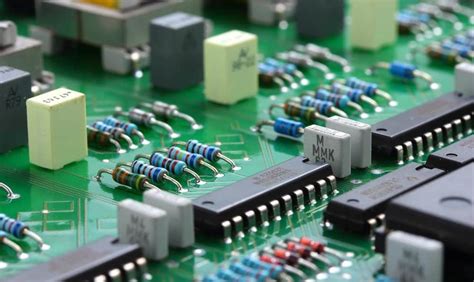
Ignoring Real-World Conditions
Another frequent mistake is designing hardware without considering real-world conditions. It’s crucial to account for factors such as temperature variations, humidity, and physical wear and tear. Ignoring these factors can result in a product that performs well in a controlled environment but fails under real-world conditions.
Failing to Consider Manufacturing Constraints
Designers often overlook the constraints of the manufacturing process. It’s essential to understand the capabilities and limitations of the manufacturing equipment and processes that will be used to produce the hardware. This understanding can help prevent design choices that could lead to manufacturing difficulties or increased production costs.

Conclusion
Avoiding common mistakes in hardware design requires a comprehensive understanding of the design process, a commitment to thorough prototyping, and a keen awareness of real-world conditions and manufacturing constraints. By keeping these factors in mind, you can improve your design approach and increase the likelihood of creating successful hardware.
For more insights into the hardware design process, check out this descriptive guide on hardware prototyping with Raspberry Pi.
Written by Ethan Carter
Published on 2025-10-26
