

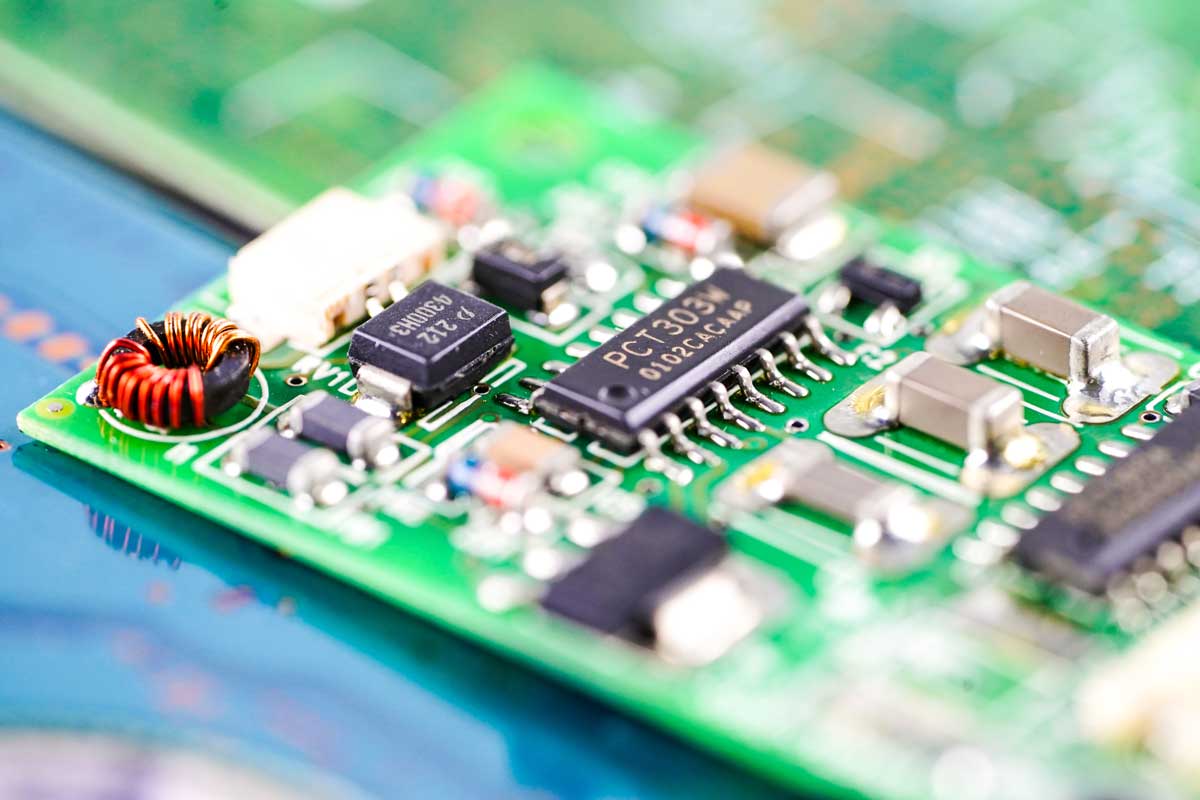
The journey from a simple idea to a market-ready product involves numerous steps, especially in the realm of hardware engineering. Understanding the hardware innovation process is crucial for anyone involved in product development, from engineers to project managers. In this article, we’ll delve into the various stages of this process, shedding light on how an initial concept transforms into a tangible, market-ready hardware product.
For a more comprehensive understanding of the basics of hardware engineering, consider reading our guide on hardware engineering basics.
Conceptualization and Ideation
The first step in the hardware innovation process is conceptualization and ideation. This involves brainstorming, sketching, and refining an initial idea until it is ready for further development.
Design and Development
Once the concept is finalized, the design and development phase begins. This involves creating detailed designs and prototypes of the product. Rapid prototyping is a popular method used in this stage to quickly test and iterate designs. For a more detailed exploration of this topic, you can read about rapid prototyping.
Testing and Validation
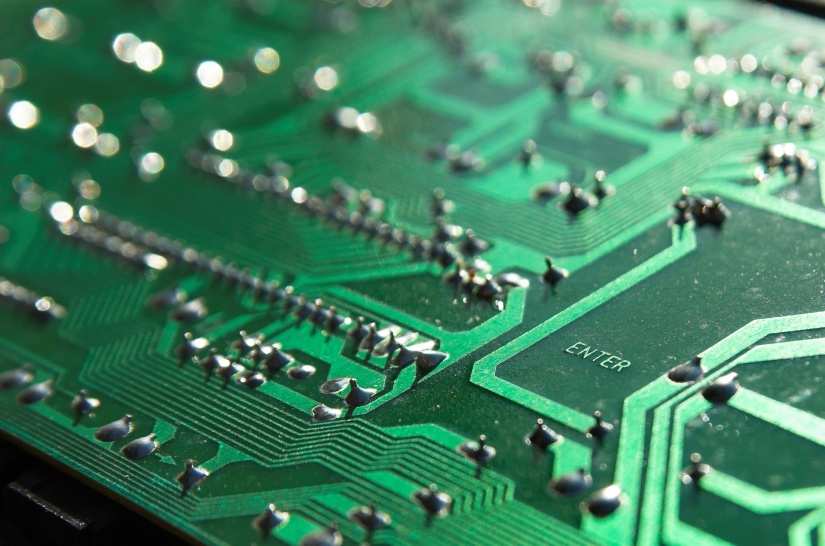
The next step in the process is testing and validation. This is a crucial stage where the product is rigorously tested to ensure it meets all necessary standards and requirements. You can learn more about the importance of hardware testing in one of our previous articles.
Manufacturing and Market Launch
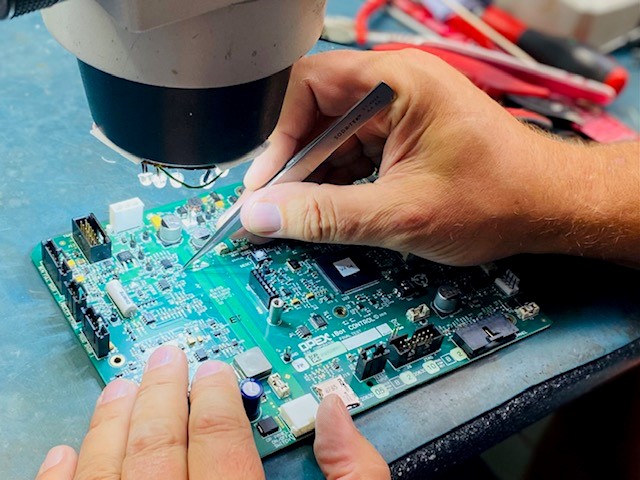
Once the product has been thoroughly tested and validated, it moves into the manufacturing phase. This involves mass production and quality control checks. Finally, the product is launched in the market, marking the end of the hardware innovation process.
Understanding this process is crucial for anyone involved in product development. It provides a roadmap from the initial idea to the final product, helping to ensure a smooth and successful product launch.
