


Bluetooth Low Energy in wearables has become a foundational technology for modern fitness trackers, smartwatches, and health monitoring devices. As the demand for compact, always-connected gadgets grows, understanding how this wireless protocol works—and why it’s so well-suited for wearable tech—can help users, developers, and businesses make informed decisions. This article provides a practical overview of how BLE operates in wearable devices, its advantages, limitations, and its impact on the evolving landscape of personal electronics.
For those interested in the broader context of integrating wireless protocols into consumer electronics, the electronic product design system integration guide offers a comprehensive look at system-level considerations.
What Is Bluetooth Low Energy and Why Is It Ideal for Wearables?
Bluetooth Low Energy, often abbreviated as BLE, is a wireless communication protocol designed for short-range data exchange with minimal power consumption. Unlike classic Bluetooth, which focuses on continuous data streaming, BLE is optimized for sending small amounts of data intermittently. This makes it a perfect fit for wearables, which typically need to transmit sensor readings, notifications, or user commands without draining their batteries quickly.
Wearable devices benefit from BLE’s ability to maintain reliable connections while conserving energy. This efficiency allows for longer battery life, smaller device form factors, and a seamless user experience—key factors in the adoption and usability of fitness bands, smart rings, and medical monitors.
How BLE Works in Wearable Devices
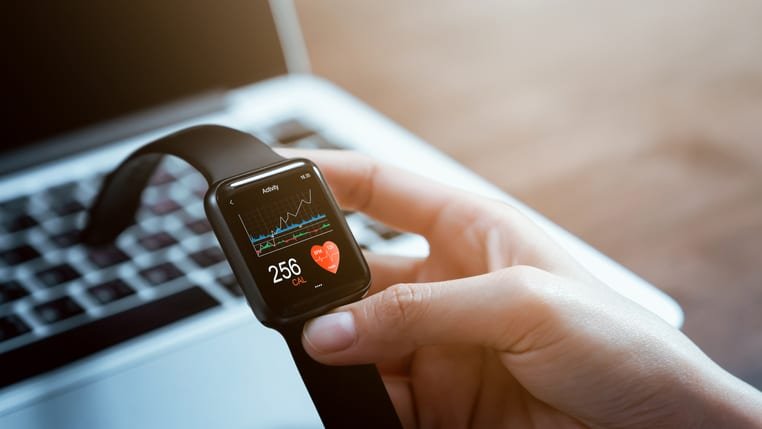
The core principle behind Bluetooth Low Energy in wearables is efficient, event-driven communication. BLE operates by establishing a connection between a wearable (the peripheral) and a host device such as a smartphone (the central). Data is exchanged only when necessary, such as when a user checks their heart rate or receives a notification.
Key technical features include:
- Low Power Consumption: BLE devices spend most of their time in sleep mode, waking up only to send or receive data.
- Short Burst Communication: Data packets are small and transmitted quickly, reducing energy usage.
- Flexible Pairing: Wearables can connect to multiple devices and support secure pairing for privacy and safety.
- Interoperability: BLE is supported by virtually all modern smartphones and tablets, ensuring compatibility.
These characteristics enable wearables to deliver real-time updates, synchronize health data, and support features like remote notifications without frequent charging.
Advantages of Bluetooth Low Energy for Wearable Technology
The adoption of BLE in wearable devices brings several significant benefits:
- Extended Battery Life: Wearables can last days or even weeks on a single charge, thanks to BLE’s energy efficiency.
- Compact Design: Lower power requirements mean smaller batteries, allowing for sleeker, lighter devices.
- Always-On Connectivity: BLE enables continuous background communication, supporting features like step counting, sleep tracking, and emergency alerts.
- Scalability: BLE’s flexible architecture allows manufacturers to add new sensors and features without major hardware changes.
- Cost-Effectiveness: BLE modules are affordable and widely available, reducing the overall cost of wearable products.
These advantages have contributed to the rapid growth of the wearable market and the increasing integration of BLE into health, fitness, and lifestyle devices.
Challenges and Limitations of BLE in Wearables
While Bluetooth Low Energy in wearables offers many strengths, there are some challenges to consider:
- Limited Data Throughput: BLE is not designed for high-bandwidth applications, so it’s unsuitable for streaming audio or video.
- Range Constraints: Typical BLE range is about 10–30 meters, which may be limiting in some environments.
- Interference: BLE operates in the crowded 2.4 GHz band, which can lead to interference from Wi-Fi and other devices.
- Security Concerns: Although BLE supports encryption, improper implementation can expose devices to vulnerabilities.
- Compatibility Issues: Older smartphones or operating systems may not fully support the latest BLE features.
Manufacturers and developers must address these challenges through careful design, robust testing, and regular software updates to ensure a secure and reliable user experience.
Practical Applications and Use Cases
BLE is the backbone of many popular wearable applications, including:
- Fitness Tracking: Step counters, heart rate monitors, and calorie trackers rely on BLE for real-time data sync with mobile apps.
- Health Monitoring: Medical wearables use BLE to transmit vital signs, glucose levels, or ECG data to healthcare providers.
- Smartwatches: Notifications, music control, and contactless payments are enabled by BLE’s efficient connectivity.
- Safety Devices: Fall detection and emergency alert wearables use BLE to instantly notify caregivers or emergency contacts.
- Workplace Solutions: Employee badges and asset trackers leverage BLE for location tracking and access control.
The versatility of BLE continues to inspire new innovations, from pet trackers to smart jewelry and beyond. For a broader perspective on how wearable technology is influencing daily life, see this insight on wearable technology’s impact.
Best Practices for Integrating BLE in Wearable Devices
Developers and manufacturers aiming to maximize the benefits of BLE in wearables should consider the following best practices:
- Optimize Power Management: Use sleep modes and minimize active transmission time to extend battery life.
- Prioritize Security: Implement strong encryption and regular firmware updates to protect user data.
- Test for Interference: Evaluate device performance in environments with multiple wireless signals.
- Ensure Compatibility: Test across a range of smartphones and operating systems to guarantee seamless user experiences.
- Design for Scalability: Plan for future updates and additional sensors by using modular hardware and flexible firmware.
For those involved in the product development process, understanding the electronic product design performance testing guide can help ensure robust and reliable BLE integration.
Future Trends in BLE and Wearable Technology
The future of BLE in wearables looks promising, with ongoing advancements in both hardware and software. Emerging trends include:
- Longer Battery Life: New chipsets and energy-harvesting technologies are pushing battery performance even further.
- Smaller, More Discreet Devices: Miniaturization is enabling wearables that are nearly invisible or embedded in clothing.
- Enhanced Security Features: Next-generation BLE standards are focusing on improved authentication and privacy controls.
- Integration with IoT Ecosystems: Wearables are increasingly interacting with smart home devices, vehicles, and industrial systems.
- Advanced Health Monitoring: Continuous monitoring and AI-driven analytics are expanding the medical applications of wearables.
As BLE technology evolves, it will continue to shape the landscape of personal and professional wearable devices, driving innovation and new use cases.
FAQ: Bluetooth Low Energy and Wearable Devices
How does BLE differ from classic Bluetooth in wearables?
BLE is optimized for low power consumption and short, infrequent data exchanges, making it ideal for wearables that require long battery life. Classic Bluetooth, on the other hand, is designed for continuous, high-bandwidth applications like audio streaming.
Can BLE wearables connect to any smartphone?
Most modern smartphones support BLE, but compatibility can vary depending on the device’s hardware and operating system version. It’s important to check device specifications before purchasing or developing a wearable.
Is BLE secure enough for transmitting sensitive health data?
BLE includes built-in encryption and privacy features, but security depends on proper implementation by device manufacturers and app developers. Users should look for devices that offer regular updates and transparent security practices.
What factors affect the battery life of BLE-enabled wearables?
Battery life is influenced by factors such as transmission frequency, data packet size, device hardware, and background processes. Optimizing these elements can significantly extend the operational time between charges.
Are there alternatives to BLE for wearable connectivity?
Other wireless protocols like NFC, Wi-Fi, and Zigbee are used in some wearables, but BLE remains the most popular due to its balance of power efficiency, range, and compatibility.
Bluetooth Low Energy in wearables continues to drive innovation in personal technology, offering a blend of efficiency, reliability, and flexibility that meets the unique demands of modern users. As the ecosystem grows, staying informed about the latest developments and best practices will help users and creators alike make the most of this transformative technology.
