


Developing new electronic products requires a blend of creativity, technical expertise, and strategic planning. As technology advances and market demands shift rapidly, many businesses turn to specialized design partners to help bring their ideas to life. Leveraging electronic product design services can streamline development, reduce costs, and improve the chances of success in a competitive landscape.
Whether you are a startup with a novel concept or an established company looking to enhance your offerings, working with experienced design professionals can make a significant difference. This article explores the main advantages of outsourcing electronic product development, the value it brings to innovation, and how it supports efficient project delivery.
For those interested in sustainable innovation, integrating new technologies is often part of broader strategies. If you’re exploring how these approaches fit into eco-friendly living, you may find practical insights in our guide on off-grid homestead sustainability tips.
Why Companies Choose Professional Electronic Design Solutions
The decision to collaborate with external design experts is driven by several factors. Modern product development cycles are shorter, and the pressure to deliver high-quality, reliable solutions is greater than ever. By engaging with specialized service providers, businesses can:
- Access multidisciplinary expertise in electronics, software, mechanical engineering, and industrial design.
- Accelerate time-to-market by leveraging proven processes and resources.
- Reduce development risks through rigorous testing and validation.
- Optimize costs by avoiding unnecessary trial-and-error and minimizing rework.
- Focus on core business activities while experts handle technical challenges.
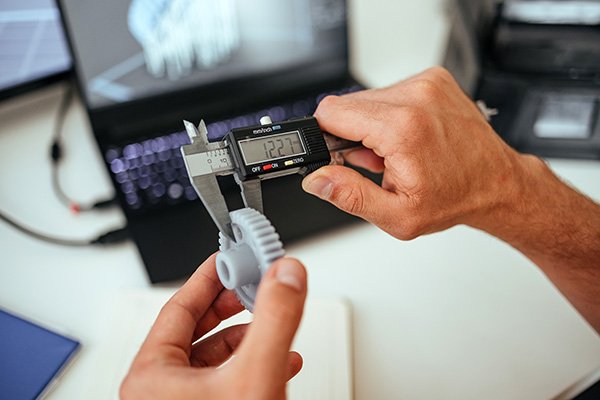
Key Advantages of Outsourcing Product Development
Partnering with a dedicated design team offers a range of tangible benefits. These advantages extend from the earliest concept stages through to manufacturing and post-launch support.
Accelerated Innovation and Market Entry
One of the most significant benefits of electronic product design services is the ability to bring ideas to market faster. Experienced teams have established workflows, access to advanced tools, and a deep understanding of regulatory requirements. This allows for rapid prototyping, iterative testing, and swift refinement, ensuring that products are ready for launch ahead of competitors.
Cost Efficiency and Resource Optimization
Developing electronics in-house can be resource-intensive, requiring investment in equipment, software, and skilled personnel. By outsourcing, companies can control expenses and scale resources as needed. Design partners often have established supplier networks and can recommend cost-effective components, helping to keep budgets on track without compromising quality.
Risk Reduction and Quality Assurance
Navigating the complexities of electronics development involves managing technical, regulatory, and market risks. Professional design services employ robust testing protocols and compliance checks throughout the process. This reduces the likelihood of costly recalls, delays, or failures, and ensures that products meet both industry standards and customer expectations.

Enhancing Product Performance and Reliability
The expertise provided by electronic design specialists goes beyond basic functionality. These teams focus on optimizing every aspect of a device, from energy efficiency and durability to user experience and manufacturability. By integrating the latest technologies and best practices, they help ensure that products perform reliably in real-world conditions.
For example, in sectors like renewable energy or off-grid living, robust and efficient electronics are essential. If you’re interested in learning more about challenges specific to remote environments, our article on tropical off-grid homesteading offers further insights.
Supporting Compliance and Certification
Navigating regulatory requirements is a critical part of launching any electronic device. Design service providers are well-versed in global standards such as CE, FCC, and RoHS. They can guide clients through the necessary testing and documentation, reducing the risk of non-compliance and ensuring smooth entry into target markets.
For a deeper understanding of the design process and its challenges, you may find this comprehensive guide to electronic product design helpful.
Long-Term Value and Ongoing Support
The relationship with a design partner often extends beyond the initial launch. Many providers offer ongoing support, including firmware updates, troubleshooting, and design enhancements. This ensures that products remain competitive and can adapt to changing market needs or technological advancements.
Additionally, working with experienced professionals can help businesses avoid common pitfalls. For those new to product development or off-grid solutions, reviewing advice on mistakes new homesteaders make can be valuable for understanding what to avoid in complex projects.
Frequently Asked Questions
What types of companies benefit most from electronic product design services?
Startups, small businesses, and established enterprises all gain value from professional design support. Startups benefit from technical guidance and faster prototyping, while larger organizations leverage external expertise to supplement in-house teams and accelerate innovation.
How do electronic design services help reduce development risks?
These providers use structured processes, advanced testing, and compliance checks to identify and address potential issues early. Their experience with industry standards and best practices helps minimize the risk of costly mistakes, delays, or regulatory setbacks.
Can outsourcing design speed up product launch?
Yes, working with a specialized team allows for parallel development, rapid prototyping, and efficient problem-solving. This often results in shorter development cycles and a quicker path to market compared to building everything in-house.
