

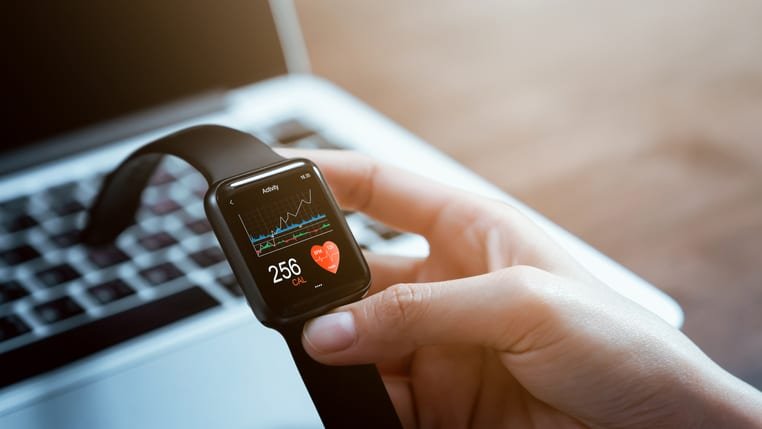
Wearable technology has rapidly become a part of everyday life, offering users new ways to monitor health, stay connected, and interact with digital environments. As these devices become more prevalent, ensuring accessibility in wearable devices is essential. Accessibility means that products are designed so everyone, including people with disabilities, can use them effectively. This article explores the principles, challenges, and best practices for making wearables inclusive for all users.
From smartwatches and fitness trackers to advanced health monitors, wearables can empower users with greater independence and insight into their well-being. However, if accessibility is overlooked, these innovations risk excluding those who could benefit most. For a deeper understanding of how accessibility fits into the broader picture of product development, consider the electronic product design system integration guide, which covers integration strategies that support inclusive design.
Why Inclusive Design Matters in Wearable Technology
Inclusive design is not just a legal or ethical requirement—it’s a practical necessity. When wearable tech is accessible, it opens up opportunities for people with visual, hearing, motor, or cognitive impairments. For example, a fitness tracker with haptic feedback can alert users who are deaf or hard of hearing, while voice commands can help those with limited dexterity.
Ignoring accessibility can lead to products that frustrate or alienate users, limiting market reach and potentially violating regulations. By prioritizing universal design, companies can create devices that serve a broader audience and foster brand loyalty.
Core Elements of Accessibility in Wearable Devices
Designing for accessibility involves more than just adding a few features. It requires a holistic approach that considers the diverse needs of users from the start. Key elements include:
- Physical Accessibility: Devices should be comfortable to wear and easy to operate, regardless of hand strength or mobility. Adjustable bands, tactile buttons, and lightweight materials can make a significant difference.
- Visual Accessibility: High-contrast displays, scalable text, and screen readers help users with low vision or blindness interact with device interfaces.
- Auditory Accessibility: Visual or haptic alerts can substitute for audio cues, ensuring notifications are received by users with hearing impairments.
- Cognitive Accessibility: Simple navigation, clear icons, and customizable settings support users with cognitive disabilities or learning differences.

Challenges in Achieving Accessibility for Wearables
Despite growing awareness, several obstacles can hinder progress in making wearables truly inclusive:
- Form Factor Limitations: The small size of many wearables restricts the space available for buttons, screens, and input methods, making it harder to accommodate all users.
- Battery and Hardware Constraints: Features like voice recognition or haptic feedback can drain batteries quickly, challenging designers to balance functionality and usability.
- Software Compatibility: Ensuring that wearable apps work seamlessly with assistive technologies, such as screen readers or alternative input devices, requires ongoing development and testing.
- Personalization: Users have unique needs, and a one-size-fits-all approach rarely works. Allowing customization of alerts, display settings, and input methods is crucial.
Addressing these challenges requires collaboration between designers, engineers, and users with disabilities. User testing and feedback loops are essential for identifying barriers and refining solutions.
Best Practices for Designing Accessible Wearable Devices
To create wearables that are usable by everyone, designers and developers should follow established accessibility guidelines and adopt user-centered design principles. Here are some best practices:
- Engage Users Early: Involve people with disabilities in the design and testing process to uncover real-world challenges and preferences.
- Follow Accessibility Standards: Reference guidelines such as the Web Content Accessibility Guidelines (WCAG) and Section 508, adapting them for wearable interfaces where possible.
- Prioritize Simplicity: Keep interfaces uncluttered and intuitive. Use clear icons, consistent layouts, and minimize the number of steps required to perform tasks.
- Offer Multiple Input and Output Options: Support voice commands, touch, gestures, and physical buttons. Provide visual, auditory, and haptic feedback for notifications.
- Enable Customization: Allow users to adjust font sizes, contrast, vibration strength, and notification preferences to suit their needs.

Examples of Accessible Features in Modern Wearables
Many leading wearable brands have begun integrating accessibility features into their products. Some notable examples include:
- Voice Assistants: Smartwatches and fitness trackers often include voice control, enabling hands-free operation for users with limited mobility.
- Haptic Feedback: Vibrations can signal notifications, alarms, or navigation prompts, benefiting users who are deaf or hard of hearing.
- Adjustable Display Settings: Users can increase font size, switch to high-contrast modes, or enable screen readers for improved readability.
- Emergency Assistance: Some devices offer fall detection and automatic emergency calls, providing added safety for users with health concerns.
For a broader perspective on how wearable technology is evolving, the innovation in wearable technology article provides insights into the latest trends and advancements in this field.
Integrating Accessibility into the Product Lifecycle
Accessibility should not be an afterthought. It must be integrated at every stage of the product lifecycle—from concept and design to development, testing, and support. This approach ensures that accessibility is built into the core of the device, rather than added as a patch or workaround.
Documentation and workflow also play a vital role. Teams should maintain clear records of accessibility requirements, testing results, and user feedback. For guidance on managing this process, see the electronic product design documentation workflow resource.
Benefits of Accessible Wearable Technology
Making wearables accessible is not just about compliance—it delivers tangible benefits for both users and manufacturers:
- Wider Market Reach: Inclusive products appeal to a broader audience, including aging populations and people with temporary impairments.
- Improved User Satisfaction: Accessible features enhance usability for everyone, not just those with disabilities.
- Brand Reputation: Companies that prioritize accessibility are viewed as socially responsible and innovative.
- Regulatory Compliance: Meeting accessibility standards helps avoid legal risks and ensures products can be sold in more markets.
FAQ: Common Questions About Accessibility in Wearable Devices
What are the most important accessibility features in wearable technology?
Key features include voice control, haptic feedback, adjustable display settings, and compatibility with assistive technologies. These elements help ensure that people with various disabilities can use wearables effectively.
How can developers test the accessibility of wearable devices?
Developers should involve users with disabilities in testing, use accessibility checklists, and simulate different impairments. Regular updates and feedback collection are essential for ongoing improvement.
Are there legal requirements for making wearables accessible?
In many regions, accessibility is mandated by laws such as the Americans with Disabilities Act (ADA) or the European Accessibility Act. Following recognized standards and guidelines helps ensure compliance and reduces legal risks.
Looking Ahead: The Future of Inclusive Wearable Technology
As wearable devices continue to evolve, accessibility will remain a critical focus. Advances in artificial intelligence, sensors, and connectivity offer new opportunities to create more personalized and adaptive experiences. By embedding accessibility into every stage of development, manufacturers can deliver products that empower all users, regardless of ability.
For those interested in expanding their knowledge about designing for diverse markets, the electronic product design for global markets article provides valuable context on adapting products for international audiences.
Ultimately, making wearable technology accessible is a shared responsibility. By embracing inclusive design, the tech industry can ensure that innovation benefits everyone.
