

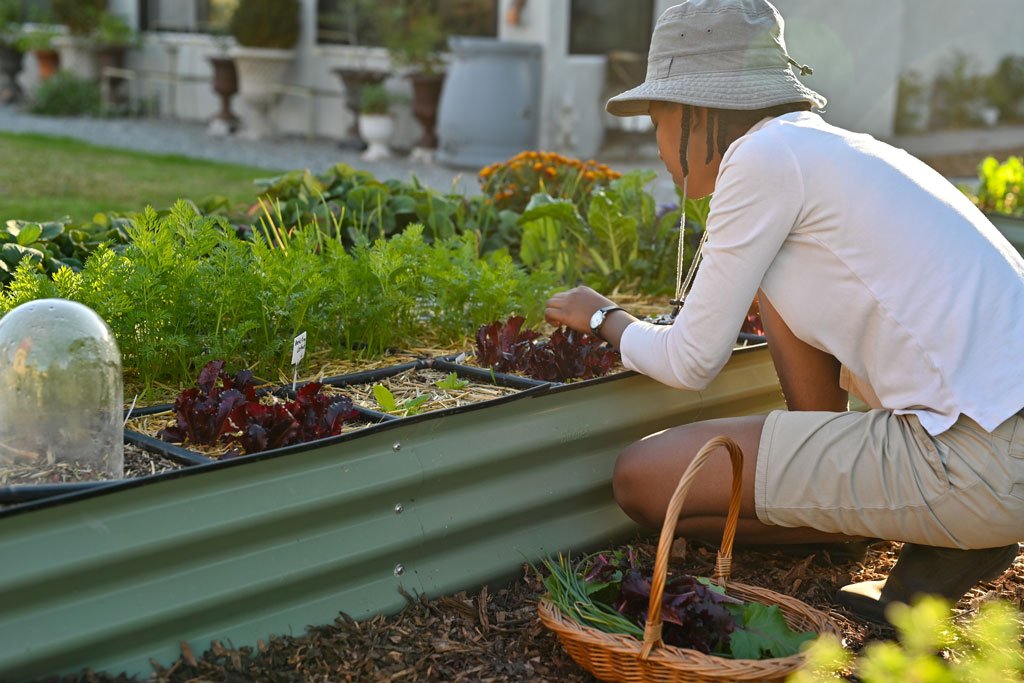
Living independently from municipal utilities is a growing aspiration for many seeking sustainability, resilience, and a closer connection to nature. Choosing natural building techniques off-grid is a practical way to create comfortable, healthy homes using locally sourced, renewable, or recycled materials. These methods not only minimize environmental impact but also provide long-term cost savings and a sense of self-sufficiency.
This article explores a range of eco-friendly construction approaches suitable for remote living. We’ll cover the most popular materials, design principles, and practical considerations, as well as the benefits and challenges of building with earth, straw, wood, and more. If you’re interested in regenerative lifestyles, you may also find value in our guide on regenerative living off-grid, which delves deeper into holistic approaches for sustainable homesteads.
Why Choose Eco-Friendly Construction for Remote Living?
Building off the grid often means working with limited resources and unique site conditions. Natural construction methods offer several advantages:
- Resource Efficiency: Many techniques use materials found on or near the building site, reducing transportation costs and environmental impact.
- Thermal Comfort: Earthen walls, straw bales, and other natural insulators help regulate indoor temperatures, lowering heating and cooling needs.
- Health Benefits: Natural materials are typically free from toxic chemicals, improving indoor air quality.
- Resilience: Structures built with these methods can be durable and low-maintenance when properly designed and constructed.
Popular Natural Building Methods for Off-Grid Homes
There are several time-tested and innovative approaches to constructing sustainable dwellings. Here are some of the most widely used techniques for those seeking independence from conventional infrastructure.
Earth-Based Construction: Cob, Adobe, and Rammed Earth
Earth is one of the oldest and most abundant building materials. Cob, adobe, and rammed earth are three main approaches:
- Cob: A mixture of clay, sand, straw, and water, cob is sculpted by hand to form thick, monolithic walls. It’s ideal for creative, organic shapes and offers excellent thermal mass.
- Adobe: Sun-dried bricks made from a similar mix as cob, stacked and mortared together. Adobe is common in arid climates and provides good insulation.
- Rammed Earth: Damp earth is compressed in forms to create dense, durable walls. Rammed earth is suitable for a range of climates and can be stabilized with lime or cement for added strength.
Straw Bale Construction for Off-Grid Living
Straw bale building uses tightly packed bales as structural elements or insulation within a post-and-beam frame. This approach is valued for its:
- High Insulation: Straw bales provide excellent R-values, keeping interiors warm in winter and cool in summer.
- Renewability: Straw is a rapidly renewable agricultural byproduct.
- Affordability: Material costs are low, especially if sourced locally.
Walls are typically finished with earthen or lime plasters, which further enhance breathability and fire resistance.
Timber Framing and Cordwood Masonry
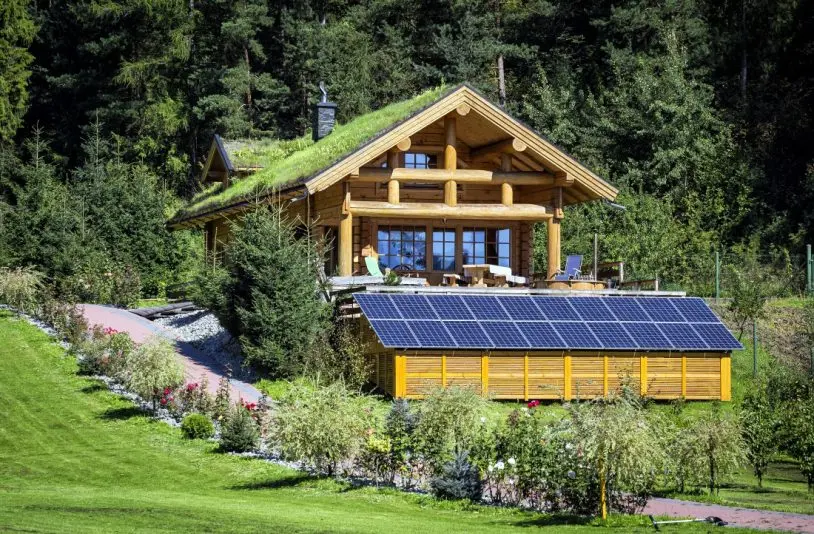
Wood is a versatile, renewable material for off-grid construction. Two notable approaches include:
- Timber Framing: Heavy timber frames can be infilled with straw, earth, or other natural materials. This technique is strong and allows for open interior spaces.
- Cordwood Masonry: Short, debarked logs are laid crosswise in a mortar matrix, creating beautiful, insulating walls. Cordwood is ideal for forested sites with abundant wood resources.
Design Principles for Sustainable Off-Grid Homes
Beyond material choice, successful remote dwellings rely on thoughtful design. Here are some key principles:
- Passive Solar Orientation: Positioning the home to maximize winter sun and minimize summer heat gain reduces energy needs.
- Thermal Mass: Materials like earth and stone absorb and release heat, helping to stabilize indoor temperatures.
- Natural Ventilation: Cross-breezes and stack effects can keep interiors comfortable without mechanical systems.
- Water Management: Rainwater harvesting, greywater recycling, and composting toilets are common in off-grid settings.
Challenges and Solutions in Natural Building Off the Grid
While these methods offer many benefits, they also come with unique challenges:
- Building Codes and Permits: Some regions have restrictive codes. Research local regulations early in your planning process.
- Labor Intensity: Many natural methods are labor-intensive but can be offset by community work parties or phased construction.
- Weather Sensitivity: Earthen materials require careful protection during construction, especially in wet climates.
- Material Sourcing: While many resources are local, some (like lime or specialized fasteners) may need to be transported in.
For those starting with limited funds, resources like this guide to living off the grid with no money offer practical tips for getting started with minimal investment.
Integrating Natural Building with Regenerative Living
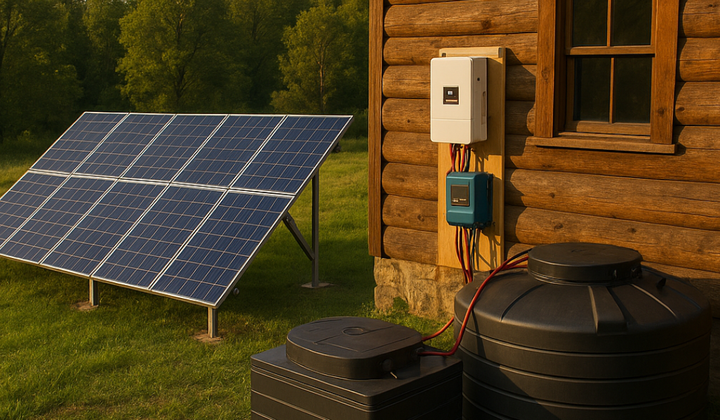
Sustainable construction is just one aspect of a holistic off-grid lifestyle. Many homesteaders combine these methods with permaculture, renewable energy, and regenerative agriculture to create truly self-reliant systems. For a deeper dive, our article on regenerative living off-grid explores how to go beyond sustainability and restore ecosystems while meeting your needs.
Frequently Asked Questions
What is the most affordable natural building method for off-grid homes?
Cob and straw bale construction are often the most cost-effective, especially if you have access to local soil and straw. Labor is typically the largest expense, so DIY approaches or community builds can further reduce costs.
Are natural homes durable and weather-resistant?
Yes, when properly designed and maintained, natural structures can last for generations. Key factors include good foundations, wide roof overhangs, and protective plasters or finishes to shield walls from moisture.
Can I use natural building techniques in any climate?
Most methods can be adapted to different climates, but some are better suited to specific conditions. For example, adobe works best in dry regions, while straw bale and timber framing can be used in colder or wetter areas with appropriate detailing.
