

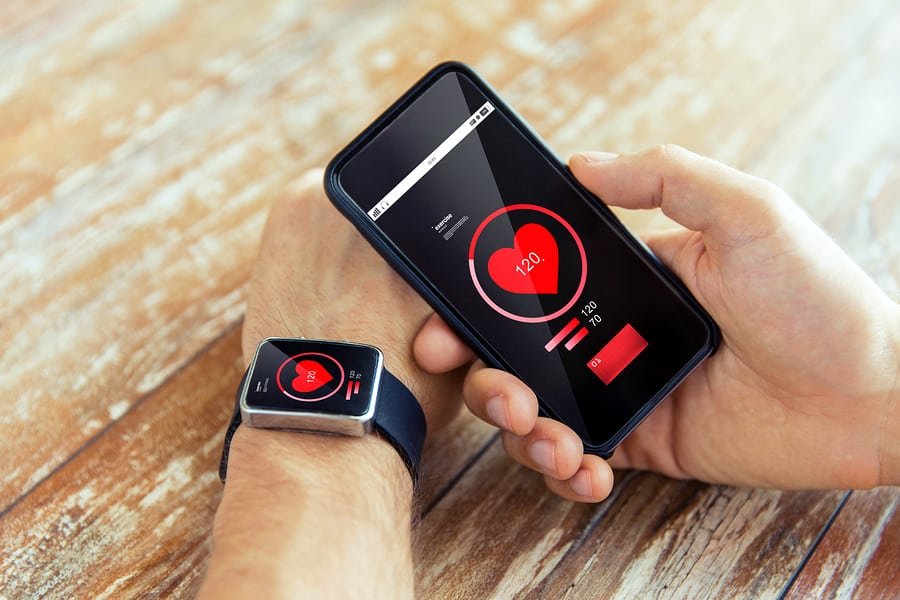
The rise of wearable technology basics has transformed how people interact with digital devices in daily life. From fitness trackers to smartwatches, these compact gadgets are designed to be worn on the body, offering real-time data, health insights, and seamless connectivity. As the market for wearables continues to expand, understanding the essentials of this technology is crucial for consumers, developers, and businesses alike.
This article explores the fundamental concepts, types, and applications of wearables, along with key considerations for choosing and using these devices. If you’re interested in the technical side of product development, you may also find value in our electronic product design performance testing guide, which covers important aspects of electronic device evaluation.
Understanding the Core of Wearable Devices
At its heart, wearable technology basics refers to electronic devices that can be comfortably worn on the body, either as accessories or integrated into clothing. These gadgets are equipped with sensors, processors, and connectivity features that enable them to collect, analyze, and transmit data. The most common examples include smartwatches, fitness bands, smart glasses, and even smart clothing.
Wearables are designed for convenience and continuous monitoring, making them popular in health, fitness, communication, and even workplace safety. Their ability to sync with smartphones and other devices allows users to access information and notifications without interrupting their daily routines.
Popular Types of Wearable Tech
The landscape of wearable devices is diverse, with each category serving unique purposes. Here are some of the most prevalent types:
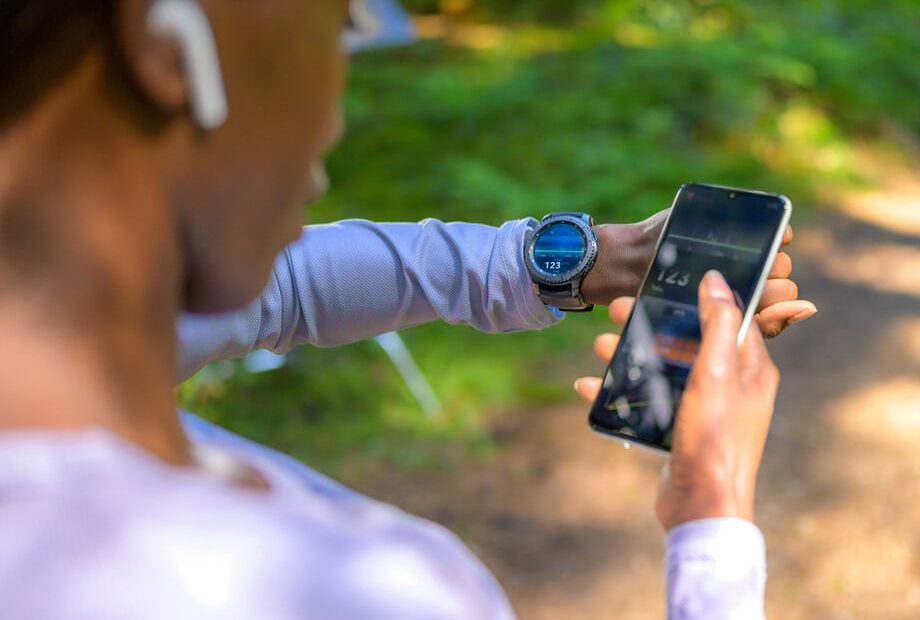
- Smartwatches: These wrist-worn devices offer features beyond timekeeping, such as fitness tracking, heart rate monitoring, GPS navigation, and smartphone notifications.
- Fitness Trackers: Focused on health and activity, these bands monitor steps, calories burned, sleep patterns, and other wellness metrics.
- Smart Glasses: Eyewear that overlays digital information onto the real world, enabling hands-free access to data, navigation, and augmented reality experiences.
- Smart Clothing: Garments embedded with sensors to track movement, posture, or vital signs, often used in sports and healthcare.
- Medical Wearables: Devices designed for continuous health monitoring, such as glucose monitors, ECG patches, and hearing aids.
Key Features and Capabilities
Modern wearables are packed with features that enhance user experience and provide valuable insights. Some of the core capabilities include:
- Health Monitoring: Track heart rate, blood oxygen, sleep quality, and more.
- Activity Tracking: Monitor steps, distance, calories, and exercise routines.
- Notifications: Receive calls, messages, and app alerts directly on the device.
- GPS and Location Services: Useful for navigation, fitness tracking, and safety.
- Contactless Payments: Some smartwatches support NFC for secure transactions.
- Integration with Other Devices: Seamless syncing with smartphones, tablets, and computers.
Benefits and Practical Applications
The adoption of wearable devices offers a range of advantages for individuals and organizations. Here are some notable benefits:
- Personal Health Management: Users can monitor their fitness goals, detect irregularities, and make informed lifestyle choices.
- Workplace Safety: In industries like construction or healthcare, wearables can track worker location, fatigue, and exposure to hazards.
- Remote Patient Monitoring: Medical professionals can remotely track patient vitals, improving care and reducing hospital visits.
- Enhanced Productivity: Quick access to notifications and information streamlines daily tasks.
- Emergency Response: Some devices can detect falls or abnormal heart rates and alert emergency contacts automatically.

Considerations When Choosing a Wearable Device
Selecting the right wearable depends on your needs and preferences. Here are some factors to keep in mind:
- Compatibility: Ensure the device works with your smartphone or operating system.
- Battery Life: Some wearables last days on a single charge, while others require daily charging.
- Design and Comfort: Choose a style and fit that suits your lifestyle and daily activities.
- Data Privacy: Review how your health and activity data is stored and shared.
- Features: Prioritize the functions most important to you, such as heart rate monitoring, GPS, or waterproofing.
- Price: Wearables range from budget-friendly fitness bands to premium smartwatches.
Challenges and Limitations
While wearables offer many benefits, there are also challenges to consider:
- Accuracy: Sensor data may not always be precise, especially for advanced health metrics.
- Battery Constraints: Frequent charging can be inconvenient for some users.
- Privacy Concerns: Sensitive health and location data may be vulnerable if not properly secured.
- Limited App Ecosystem: Some devices support fewer third-party apps or integrations.
- Durability: Exposure to water, dust, or impacts can affect device lifespan.
Emerging Trends in Wearable Tech
The future of wearables is marked by rapid innovation. Some notable trends include:
- Advanced Health Sensors: New devices can monitor blood pressure, hydration, and even detect early signs of illness.
- Integration with Smart Homes: Wearables are increasingly connecting with home automation systems for enhanced convenience.
- AI and Predictive Analytics: Artificial intelligence is enabling more personalized insights and proactive health recommendations.
- Expanded Use in Elder Care: Wearables are being adopted in aged care to support independence and monitor well-being. For more on this topic, see this overview of wearable technology in aged care.
- Eco-Friendly Materials: Manufacturers are exploring sustainable materials and energy-efficient designs.
FAQs About Wearable Devices
What are the main advantages of using wearable technology?
Wearables provide real-time health and activity tracking, convenient access to notifications, and can improve safety and productivity. They empower users to make informed decisions about their well-being and streamline daily routines.
How secure is my data on wearable devices?
Security varies by manufacturer and device. It’s important to review privacy policies and use devices from reputable brands. Enable security features like PIN codes and ensure your data is encrypted whenever possible.
Can wearables be used for medical purposes?
Yes, many wearables are designed for health monitoring and can assist with chronic disease management, medication reminders, and emergency alerts. However, they should not replace professional medical advice or diagnostics.
As wearable devices continue to evolve, staying informed about their capabilities and limitations helps users make the most of this innovative technology. Whether you’re tracking your fitness, managing health, or exploring the latest trends, understanding the essentials of wearables is key to leveraging their full potential.
