

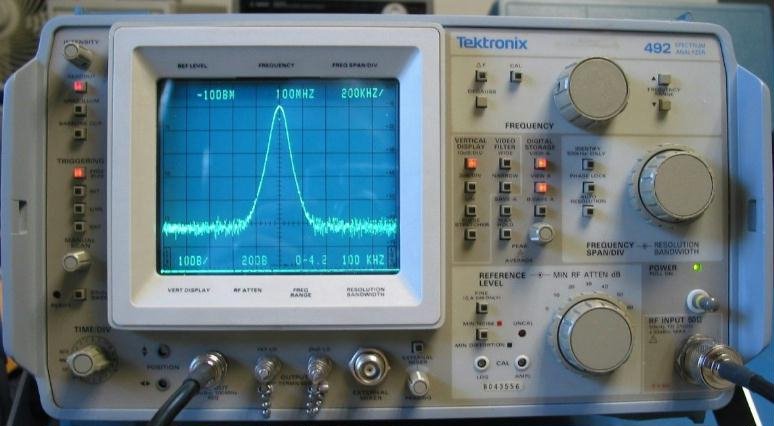
Expanding into global markets requires brands to meet a complex web of regulatory standards. Navigating these requirements is critical for electronics manufacturers and importers who want to ensure their products are accepted worldwide. This international compliance electronics testing guide is designed to clarify the essential steps, standards, and best practices for achieving compliance across key markets.
Understanding the differences between regulatory frameworks, such as ISO, CE, UL, and IEC, is vital for avoiding costly delays and ensuring product safety and reliability. For a deeper look at how these standards compare, see this global standards electronics testing comparison resource.
Why International Electronics Testing Is Essential
As brands expand their reach, they encounter diverse regulatory landscapes. Each country or region enforces its own safety, electromagnetic compatibility (EMC), and environmental standards. Failing to comply can result in denied market entry, product recalls, or legal penalties. A robust international compliance electronics testing guide helps companies:
- Identify relevant standards for each target market
- Streamline product development and certification processes
- Reduce risk of non-compliance and associated costs
- Build trust with distributors, retailers, and end-users
Whether you’re launching a new device or updating an existing product, understanding the global testing landscape is a strategic advantage.
Key Global Standards and Regulatory Bodies
International electronics testing is governed by several major organizations and standards, each with its own focus and requirements:
- ISO (International Organization for Standardization): Sets broad quality, safety, and environmental management standards. For more insight, review the ISO vs CE electronics testing differences guide.
- IEC (International Electrotechnical Commission): Develops international standards for electrical, electronic, and related technologies.
- CE Marking (European Union): Indicates conformity with EU safety, health, and environmental protection requirements.
- UL (Underwriters Laboratories): Focuses on safety standards, primarily for the North American market.
- FCC (Federal Communications Commission): Regulates electromagnetic interference for electronics sold in the United States.
- RoHS (Restriction of Hazardous Substances): Limits the use of specific hazardous materials in electrical and electronic products.
Each of these standards may apply to different product types and markets. Brands must determine which certifications are mandatory for their specific devices and target regions.
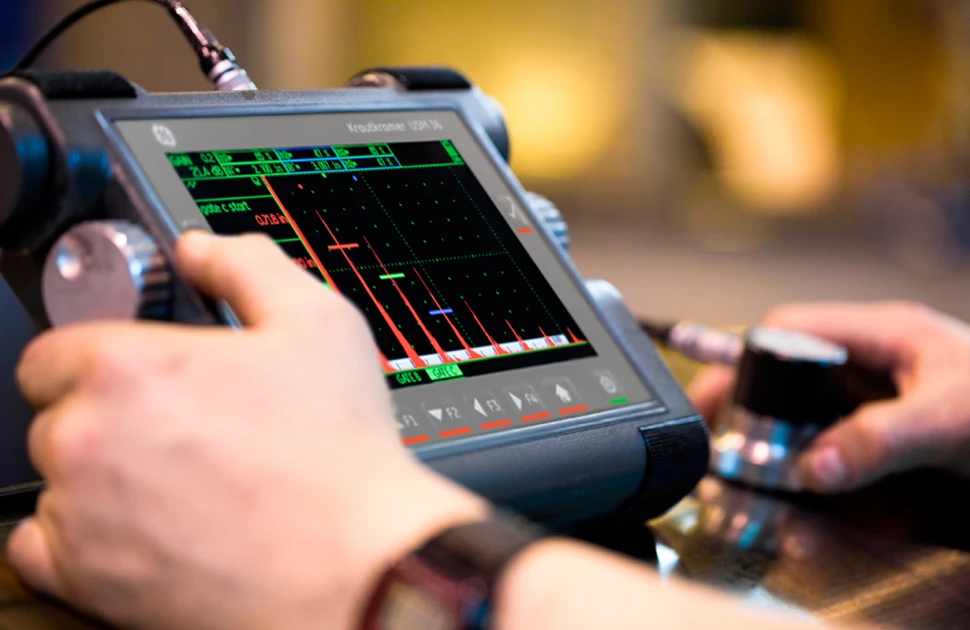
Core Steps in the Global Compliance Process
Following a systematic approach to international electronics testing ensures efficiency and reduces the risk of costly errors. Here’s a typical workflow:
- Market Research: Identify the countries or regions where the product will be sold. Research all applicable regulations and required certifications.
- Standard Selection: Determine which standards (e.g., ISO, CE, UL, IEC) apply to your product category and intended markets. For clarification on differences, see difference between ISO and IEC electronics testing.
- Product Design: Integrate compliance requirements into the design phase to avoid costly redesigns later.
- Pre-Compliance Testing: Conduct in-house or third-party testing to identify potential issues before formal certification.
- Formal Testing and Certification: Submit products to accredited labs for official testing and certification. Maintain thorough documentation.
- Ongoing Compliance: Monitor regulatory changes and update products as needed. Maintain records for audits and renew certifications as required.
Proactive planning and early engagement with testing labs can help brands avoid delays and ensure smooth market entry.
Types of Tests Required for Electronics Compliance
Depending on the product and market, a range of tests may be necessary. Common categories include:
- Safety Testing: Ensures products do not pose electrical, fire, or mechanical hazards.
- EMC Testing: Verifies that devices do not emit excessive electromagnetic interference and are immune to external sources.
- Environmental Testing: Assesses performance under various environmental conditions (temperature, humidity, vibration, etc.).
- RoHS and Chemical Testing: Confirms compliance with hazardous substance restrictions.
- Wireless and Radio Testing: Required for products with wireless communication capabilities to meet regional spectrum regulations.
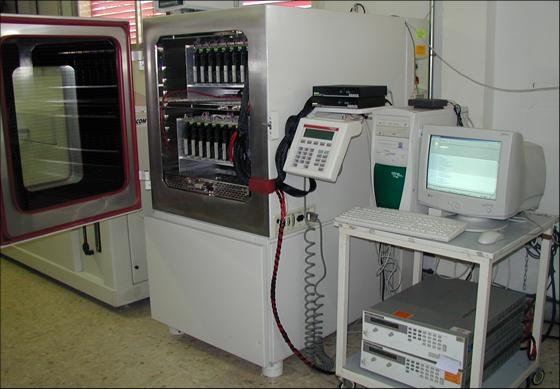
Choosing the Right Testing Partners
Working with accredited laboratories is crucial for successful certification. Consider the following when selecting a testing partner:
- Accreditation: Ensure the lab is recognized by relevant authorities in your target markets.
- Experience: Look for labs with a proven track record in your product category.
- Global Reach: Some labs offer multi-country certification programs, streamlining the process for international brands.
- Technical Support: Choose partners who offer guidance throughout the compliance process, from design review to documentation.
For brands focused on environmental management, it’s helpful to work with manufacturers experienced in standards like ISO 14001. Learn more about the importance of this expertise in this overview of ISO 14001 experience in electronics manufacturing.
Documentation and Recordkeeping Best Practices
Comprehensive documentation is essential for demonstrating compliance and passing audits. Key documents include:
- Test reports and certificates from accredited labs
- Technical construction files (TCF)
- Declarations of conformity
- Risk assessments and safety analyses
- Change logs for product updates
Maintaining organized records not only streamlines audits but also supports future product modifications and market expansions.
Staying Ahead of Regulatory Changes
Global electronics regulations evolve rapidly. Brands must monitor updates to standards and adapt their compliance strategies accordingly. Subscribing to regulatory newsletters, participating in industry associations, and maintaining close relationships with testing labs can help companies stay informed and proactive.
Common Challenges and How to Overcome Them
Brands often encounter obstacles such as:
- Conflicting requirements between markets
- Unclear or changing regulations
- Unexpected test failures
- Delays in certification or documentation
Address these challenges by:
- Engaging compliance experts early in the product lifecycle
- Designing products with flexibility for multiple standards
- Building strong relationships with testing partners
- Regularly reviewing and updating compliance documentation
Further Reading and Related Resources
To deepen your understanding of global electronics testing, explore these related topics:
FAQ
What is the difference between pre-compliance and formal compliance testing?
Pre-compliance testing is conducted during product development to identify and resolve issues before submitting the device for official certification. Formal compliance testing is performed by accredited labs and results in recognized certificates required for market entry.
Do all electronics need to comply with the same international standards?
No, requirements vary by product type and target market. Each country or region may have unique regulations, so it’s important to research and apply the relevant standards for each destination.
How often should compliance documentation be updated?
Documentation should be updated whenever there are product changes, regulatory updates, or after recertification. Regular reviews ensure ongoing compliance and readiness for audits.
