

Meeting ISO training requirements electronics testing labs is essential for organizations aiming to achieve and maintain international standards for quality, safety, and technical competence. Electronics testing laboratories operate in a highly regulated environment, where staff expertise directly impacts the reliability of test results and overall compliance. Understanding what ISO standards demand in terms of staff training helps labs avoid non-conformities, improve operational efficiency, and build trust with clients and regulatory bodies.
Navigating the complexities of ISO compliance can be challenging, especially when it comes to ensuring that all team members possess the necessary skills and knowledge. For labs preparing for certification or renewal, a clear roadmap is crucial. For a detailed overview of the process, see the ISO implementation roadmap electronics labs for practical steps and best practices.
Understanding ISO Standards Relevant to Lab Personnel
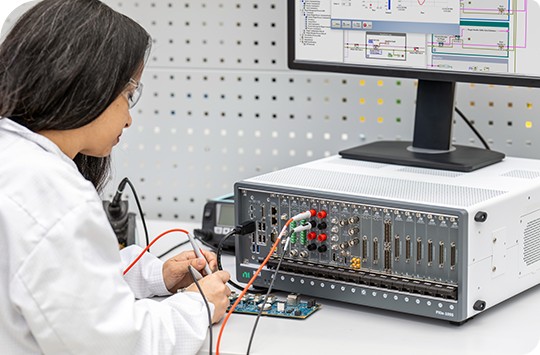
Several ISO standards apply to electronics testing laboratories, but ISO/IEC 17025 is the most widely recognized. This standard outlines the general requirements for the competence of testing and calibration laboratories, with a strong emphasis on staff qualifications and ongoing training. Other relevant standards may include ISO 9001 for quality management and sector-specific requirements, depending on the types of tests performed.
ISO/IEC 17025 requires that all personnel involved in testing, calibration, and reporting are competent based on education, training, experience, and demonstrated skills. The standard also mandates that labs maintain records of qualifications, training, and ongoing competency evaluations.
Key Elements of ISO Training Requirements for Electronics Testing Labs
To comply with ISO training requirements electronics testing labs must address several core areas:
- Initial Qualification: Staff must have the appropriate educational background and technical experience for their assigned roles.
- Job-Specific Training: Employees should receive training tailored to their specific tasks, including operation of test equipment, data analysis, and safety protocols.
- Ongoing Competency Assessments: Regular evaluations ensure that staff maintain and update their skills as technologies and standards evolve.
- Documentation: Training records, certificates, and competency assessments must be maintained and readily available for audits.
- Awareness of Quality Management: All personnel should understand the lab’s quality policies, procedures, and their role in maintaining compliance.
Developing a Training Program for Lab Staff
A structured training program is the foundation for meeting ISO expectations. The process typically involves:
- Needs Assessment: Identify gaps in knowledge or skills among staff, considering both current and future testing requirements.
- Training Plan Development: Create a documented plan outlining required training topics, delivery methods (e.g., in-person, online, on-the-job), and timelines.
- Implementation: Deliver training sessions, workshops, or courses. Ensure all new hires receive orientation covering ISO standards and lab-specific procedures.
- Evaluation: Assess the effectiveness of training through tests, practical demonstrations, or observation. Adjust the program based on feedback and performance.
- Record Keeping: Maintain detailed records of all training activities, including dates, content, trainers, and participant outcomes.
Incorporating these steps helps labs demonstrate compliance during audits and supports continuous improvement.
Common Training Topics for Electronics Testing Laboratories
While the specifics may vary, most electronics testing labs should cover the following topics to satisfy ISO training requirements electronics testing labs:
- Principles of electrical and electronic testing
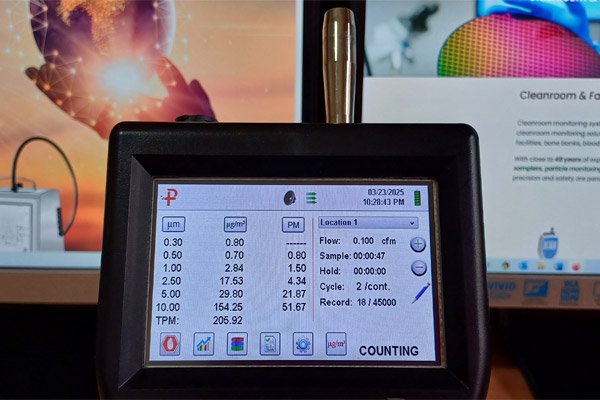
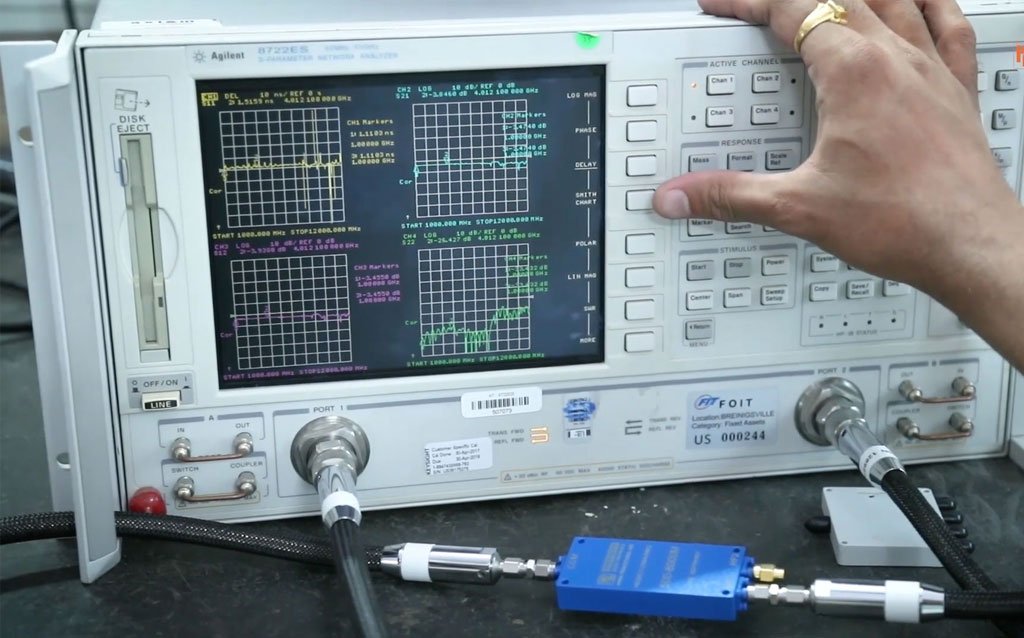
- Operation and calibration of test instruments
- Data integrity and documentation practices
- Health, safety, and environmental regulations
- Quality management system procedures
- Understanding and applying relevant ISO standards
- Internal audit and corrective action processes
Maintaining Competence and Continuous Improvement
ISO standards emphasize not just initial training but also ongoing competence. Electronics testing labs should implement regular refresher courses, encourage participation in industry seminars, and stay updated with changes in standards or technology. Competency assessments, such as proficiency testing or peer reviews, help ensure that staff remain qualified and confident in their roles.
For labs approaching recertification or external audits, preparation is key. Guidance on audit expectations can be found in resources like ISO external audit electronics testing explained, which details what auditors look for regarding staff competence and training documentation.
Documentation and Audit Readiness
Proper documentation is a cornerstone of ISO compliance. Labs must keep comprehensive records of all training activities, including:
- Employee qualifications and resumes
- Training attendance logs and certificates
- Competency assessment results
- Records of refresher training and updates
These records should be organized, up to date, and easily accessible during internal or external audits. Inadequate documentation is a common cause of non-conformities, so regular reviews are recommended.
Benefits of Meeting ISO Training Requirements
Adhering to ISO training requirements electronics testing labs brings several advantages:
- Improved accuracy and reliability of test results
- Reduced risk of errors or safety incidents
- Enhanced reputation and client confidence
- Smoother certification and audit processes
- Greater staff engagement and professional development
For a broader perspective on why ISO certification matters for labs and their clients, read this overview of the importance of ISO certification.
Integrating Training with Other ISO Processes
Training is closely linked to other ISO processes, such as corrective actions, internal audits, and management reviews. When non-conformities are identified, targeted training can address root causes and prevent recurrence. Regular internal audits, as described in the ISO certification preparation electronics testing guide, should include checks on training records and staff competence.
FAQ: ISO Training and Competence in Electronics Testing Labs
What documentation is required to prove staff competence in an electronics testing lab?
Labs must maintain records such as educational certificates, training attendance logs, competency assessments, and evidence of ongoing professional development. These documents should be organized and readily available for review during audits.
How often should staff training be updated to meet ISO requirements?
Training should be updated whenever there are changes in technology, standards, or procedures. At a minimum, annual reviews and refresher courses are recommended to ensure ongoing compliance and staff competence.
Can on-the-job training satisfy ISO requirements for electronics testing labs?
Yes, on-the-job training is acceptable if it is structured, documented, and includes competency assessments. The key is to ensure that all training activities are recorded and that staff can demonstrate their skills and knowledge during audits.
Conclusion
Ensuring compliance with ISO training requirements electronics testing labs is not just a regulatory obligation but a strategic investment in quality and reliability. By developing robust training programs, maintaining thorough documentation, and fostering a culture of continuous improvement, electronics testing laboratories can meet ISO expectations and deliver superior results for their clients. For those planning certification or renewal, understanding the full scope of requirements is essential to a smooth and successful process.
