

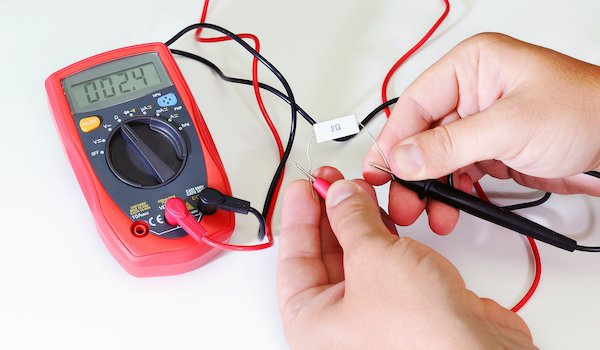
Adopting international standards is essential for electronics laboratories aiming to deliver reliable results, ensure safety, and build trust with clients. A well-structured ISO implementation roadmap for electronics labs not only streamlines operations but also helps labs meet regulatory and customer requirements. This guide presents a practical, step-by-step approach to achieving ISO certification in electronics testing environments, highlighting key actions, common challenges, and best practices for a successful transition.
For labs seeking to understand the complexities of compliance, it’s helpful to review the ISO compliance challenges electronics testing often faces, including documentation, training, and audit preparation. Addressing these early can smooth the path to certification and ongoing quality assurance.
Understanding ISO Standards in Electronics Testing
Before diving into the implementation process, it’s important to clarify which ISO standards are most relevant to electronics laboratories. The most commonly adopted standards include:
- ISO/IEC 17025: General requirements for the competence of testing and calibration laboratories.
- ISO 9001: Quality management systems, applicable to organizations of all types.
- ISO 14001: Environmental management systems, increasingly important for labs handling hazardous materials.
Each standard has specific requirements, but all share a focus on documented procedures, continual improvement, and objective evidence of competence. For a detailed breakdown of certification expenses, see the ISO certification cost electronics testing labs article.
Key Steps in the ISO Implementation Roadmap for Electronics Labs
Establishing a clear, actionable plan is crucial for a successful ISO journey. Below is a step-by-step process tailored for electronics testing environments:
1. Commitment and Gap Analysis
Begin by securing leadership commitment and forming an implementation team. Conduct a gap analysis to compare current practices against the chosen ISO standard’s requirements. This assessment reveals areas needing improvement and helps prioritize actions.

2. Documentation and Process Development
Develop and update documentation to meet ISO requirements. This typically includes:
- Quality manuals and policies
- Standard operating procedures (SOPs)
- Work instructions and forms
- Records management protocols
Ensure that all staff are trained on new or revised procedures. Clear documentation is the backbone of any ISO implementation roadmap for electronics labs, supporting both daily operations and audit readiness.
3. Training and Competence Building
Staff competence is a core requirement of ISO standards. Provide targeted training on quality management principles, technical procedures, and the specific requirements of the chosen standard. Maintain records of training and qualifications to demonstrate compliance during audits.
4. Implementation and Internal Auditing
Roll out the new or updated processes across the laboratory. Monitor adherence and collect feedback from staff to identify practical issues or areas for further refinement. Conduct internal audits to verify that procedures are being followed and to assess the effectiveness of the quality management system.
5. Management Review and Corrective Actions
Hold regular management review meetings to evaluate audit findings, customer feedback, and overall system performance. Address nonconformities with corrective actions and document all improvements. This cycle of review and improvement is central to maintaining ISO certification.
6. External Audit and Certification
Once the system is mature and internal audits show compliance, engage an accredited certification body for the external audit. Prepare thoroughly, ensuring all documentation is up-to-date and staff are ready to answer auditor questions. For a detailed preparation checklist, refer to ISO audit preparation electronics testing labs.
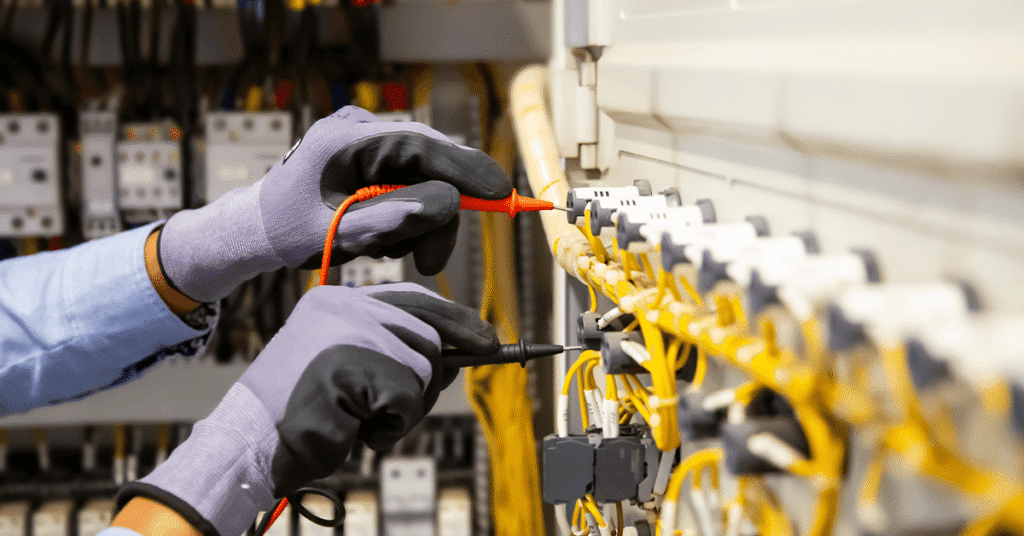
Best Practices for a Successful ISO Journey
Implementing ISO standards in electronics labs can be challenging, but following these best practices can ease the process:
- Engage all staff: Involve team members at every stage to foster ownership and understanding.
- Leverage technology: Use digital tools for document control, training management, and audit tracking.
- Plan for continuous improvement: ISO certification is not a one-time event. Regularly review and refine processes.
- Seek expert guidance: Consider consulting with experienced professionals or organizations specializing in ISO certification for electronics and telecommunications to navigate complex requirements.
Timeline and Cost Considerations
The time and resources required for ISO certification vary based on lab size, complexity, and existing quality systems. On average, the process can take several months, from initial gap analysis to successful external audit. For a realistic timeline, see how long ISO certification takes electronics labs.
Costs include training, documentation, internal resources, and certification body fees. Budgeting for these elements upfront helps prevent delays and ensures a smoother implementation.
Maintaining Compliance After Certification
Achieving ISO certification is just the beginning. Ongoing compliance requires:
- Regular internal audits and management reviews
- Continuous staff training and competence assessments
- Prompt corrective actions for identified nonconformities
- Staying updated on changes to relevant ISO standards
Periodic surveillance audits by the certification body will verify continued adherence to the standard. Proactive management of the quality system ensures long-term benefits and sustained customer confidence.
Common Pitfalls and How to Avoid Them
Electronics labs may encounter several challenges during ISO implementation:
- Insufficient documentation: Ensure all processes are clearly documented and accessible.
- Poor staff engagement: Regular communication and training help build a quality-focused culture.
- Neglecting internal audits: Schedule audits regularly and act on findings promptly.
- Underestimating resource needs: Allocate sufficient time and budget for each phase of the roadmap.
By anticipating these issues, labs can take proactive steps to stay on track and achieve successful certification.
FAQ
What is the most important ISO standard for electronics testing labs?
For most electronics laboratories, ISO/IEC 17025 is the primary standard, as it sets out the general requirements for competence in testing and calibration. Some labs may also benefit from implementing ISO 9001 for broader quality management or ISO 14001 for environmental controls.
How long does it take to implement ISO standards in an electronics lab?
The duration depends on the lab’s size, complexity, and current quality systems. Typically, the process takes between six months to a year, including preparation, documentation, training, and audits. For more details, refer to the guide on how long ISO certification takes electronics labs.
What are the ongoing requirements after achieving ISO certification?
Maintaining ISO certification requires regular internal audits, management reviews, continuous staff training, and prompt corrective actions for any nonconformities. Labs must also stay updated on changes to the relevant ISO standards and participate in periodic surveillance audits by the certification body.
Where can I find expert support for ISO certification in electronics labs?
Many organizations offer specialized consulting and certification services for electronics and telecommunications labs. For more information, consider resources like ISO certification for electronics and telecommunications sectors.
