


Maintaining ISO certification renewal electronics testing status is crucial for laboratories and companies working in the electronics sector. As standards evolve and client expectations rise, ensuring ongoing compliance with ISO requirements is not just a regulatory necessity—it’s a competitive advantage. The renewal process can seem daunting, but with the right approach, it becomes a manageable and valuable exercise in continuous improvement.
This article provides a comprehensive overview of the renewal journey for electronics testing labs, including timelines, documentation, audit preparation, and practical tips for a smooth transition. Whether you’re facing your first renewal or looking to optimize your processes, understanding the key steps and requirements is essential for uninterrupted certification and operational excellence.
For those seeking a step-by-step approach to implementing ISO standards in electronics labs, the ISO implementation roadmap electronics labs guide offers valuable insights into the initial setup and ongoing compliance strategies.
Understanding the ISO Certification Renewal Cycle
The ISO certification renewal electronics testing process typically follows a three-year cycle. During this period, accredited bodies conduct annual surveillance audits to verify ongoing compliance. However, at the end of each cycle, a more comprehensive recertification audit is required. This ensures that the facility’s quality management system continues to meet the latest ISO standards, such as ISO/IEC 17025 for testing and calibration laboratories.
Renewal is not just a formality. It’s a thorough review of your lab’s processes, documentation, and technical competence. Failing to renew on time can result in a lapse of certification, which may impact client trust and eligibility for certain contracts.
Key Steps in the ISO Certification Renewal Process
To ensure a successful renewal, electronics testing facilities should follow a structured approach. Here’s a breakdown of the main phases:
-
Internal Audit and Management Review:
Conduct a comprehensive internal audit to identify gaps, nonconformities, and opportunities for improvement. Management review meetings should evaluate audit findings, customer feedback, and changes in regulatory requirements.
-
Document Review and Updates:
Update quality manuals, procedures, and records to reflect any changes in operations or standards. Ensure that all documentation is current and accessible for auditors.
-
Corrective Actions:
Address any issues uncovered during internal audits. Implement corrective actions and document the process, including root cause analysis and effectiveness checks.
-
Pre-assessment (Optional):
Some labs choose to conduct a pre-assessment with an external consultant or the certification body. This helps identify potential issues before the formal audit.
-
Recertification Audit:
The accredited body conducts an in-depth audit, reviewing documentation, interviewing staff, and observing testing processes. Auditors will focus on both management system requirements and technical competence.
-
Closure of Nonconformities:
If any nonconformities are found, they must be addressed within a specified timeframe. Evidence of corrective actions must be submitted to the certification body.
-
Certificate Issuance:
Once all requirements are met, the renewed certificate is issued, typically valid for another three years.
Common Challenges in Electronics Testing Lab Recertification
Renewing ISO credentials in the electronics sector presents unique challenges. Rapid technological changes, evolving test methods, and increasingly stringent client requirements can complicate compliance. Here are some frequent hurdles and ways to address them:
-
Keeping Up with Standard Updates:
ISO standards are periodically revised. Labs must stay informed about changes and update their processes accordingly. Subscribing to industry newsletters and participating in professional networks can help.
-
Maintaining Equipment Calibration:
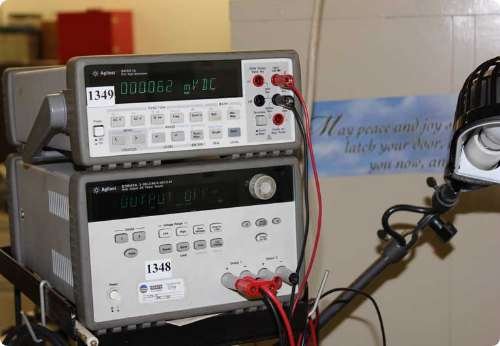
Accurate and traceable calibration is a cornerstone of electronics testing. Ensure all equipment is calibrated according to schedule and that records are meticulously maintained.
-
Staff Training and Competence:
As technology evolves, so do the skills required. Regular training and competence assessments help ensure staff remain qualified to perform critical testing tasks.
-
Documentation Overload:
Managing large volumes of records can be overwhelming. Implementing a robust document control system streamlines access and reduces the risk of missing or outdated information.
Best Practices for a Smooth ISO Certification Renewal
Proactive planning and continuous improvement are key to a hassle-free renewal process. Consider these best practices:
- Start Early: Begin preparations at least six months before the expiration date. This allows ample time to address any issues and avoid last-minute surprises.
- Engage All Staff: Involve team members from different departments in the renewal process. Their input can uncover hidden issues and foster a culture of quality.
- Leverage Technology: Use digital tools for document management, audit tracking, and corrective action monitoring. Automation reduces errors and saves time.
- Review Previous Audit Findings: Analyze past audit reports to identify recurring issues and ensure they have been fully resolved.
- Stay Client-Focused: Solicit feedback from customers to identify areas for improvement and demonstrate a commitment to quality.
For a detailed breakdown of costs associated with maintaining compliance, refer to the ISO certification cost electronics testing labs resource.

Documentation and Audit Preparation Tips
Thorough documentation and audit readiness are central to successful ISO certification renewal electronics testing efforts. Here are some targeted tips:
- Maintain a Documented Quality Policy: Ensure your quality policy is up-to-date, communicated to all staff, and aligned with current business objectives.
- Organize Records: Keep calibration certificates, training records, and test reports well-organized and easily retrievable.
- Conduct Mock Audits: Simulate the audit process internally to identify weaknesses and build staff confidence.
- Assign Audit Liaisons: Designate knowledgeable staff to interact with auditors and provide requested information promptly.
For a professional checklist on audit readiness, the ISO audit preparation electronics testing labs guide is a valuable resource.
Staying Current with Industry Standards and Requirements
Electronics testing labs must remain vigilant about changes in both ISO standards and industry-specific regulations. Regularly reviewing updates from standard-setting organizations and participating in relevant training ensures ongoing compliance and technical excellence.
For a deeper dive into the role of ISO standards in electronics manufacturing and testing, the article on ISO standards in electronics factories provides a broader industry perspective.
FAQ: ISO Certification Renewal for Electronics Testing Labs
How often must electronics testing labs renew their ISO certification?
Most ISO certifications for testing laboratories, such as ISO/IEC 17025, require renewal every three years. However, annual surveillance audits are conducted to ensure ongoing compliance between renewal cycles.
What are the main documents required for ISO recertification?
Key documents include the quality manual, standard operating procedures, calibration records, training records, internal audit reports, management review minutes, and evidence of corrective actions. Keeping these documents organized and up-to-date is essential for a successful audit.
What happens if a lab fails the recertification audit?
If nonconformities are identified during the audit, the lab must address them within a specified timeframe. Failure to do so can result in suspension or withdrawal of certification, which may impact business operations and client relationships.
Conclusion
Renewing ISO certification for electronics testing facilities is a critical process that demands attention to detail, proactive planning, and a commitment to continuous improvement. By understanding the renewal cycle, preparing thoroughly for audits, and staying current with industry standards, labs can ensure seamless compliance and maintain their reputation for quality and reliability.
