

Achieving and maintaining ISO compliance in the field of electronics testing is a complex process that presents unique hurdles for manufacturers, laboratories, and quality assurance teams. As technology advances and regulations evolve, organizations must navigate a landscape filled with technical, procedural, and documentation requirements. These challenges can impact everything from product quality to market access, making it essential for stakeholders to understand both the obstacles and the practical solutions available.
This article explores the most common ISO compliance challenges electronics testing professionals encounter, along with actionable strategies to overcome them. Whether you are preparing for certification, managing ongoing compliance, or seeking to improve your lab’s processes, understanding these issues is key to ensuring reliable results and meeting international standards.
For organizations looking to streamline their certification journey, resources like ISO certification preparation electronics testing offer valuable guidance on best practices and readiness steps.
Key Obstacles in Meeting ISO Standards for Electronics Testing
Navigating the requirements of ISO standards such as ISO/IEC 17025, ISO 9001, and sector-specific regulations can be daunting. The following sections highlight the most significant barriers faced by electronics testing facilities and manufacturers.
Documentation and Traceability Demands
One of the most persistent ISO compliance challenges electronics testing teams face is maintaining comprehensive documentation and traceability. ISO standards require meticulous records of test procedures, calibration data, equipment maintenance, and personnel qualifications. Incomplete or inconsistent documentation can lead to non-conformities during audits and jeopardize certification status.
To address this, organizations should implement robust document control systems and digital record-keeping solutions. Automated tracking of changes, version control, and secure storage can help ensure that all records are accurate and readily accessible for inspection.
Technical Complexity and Equipment Calibration
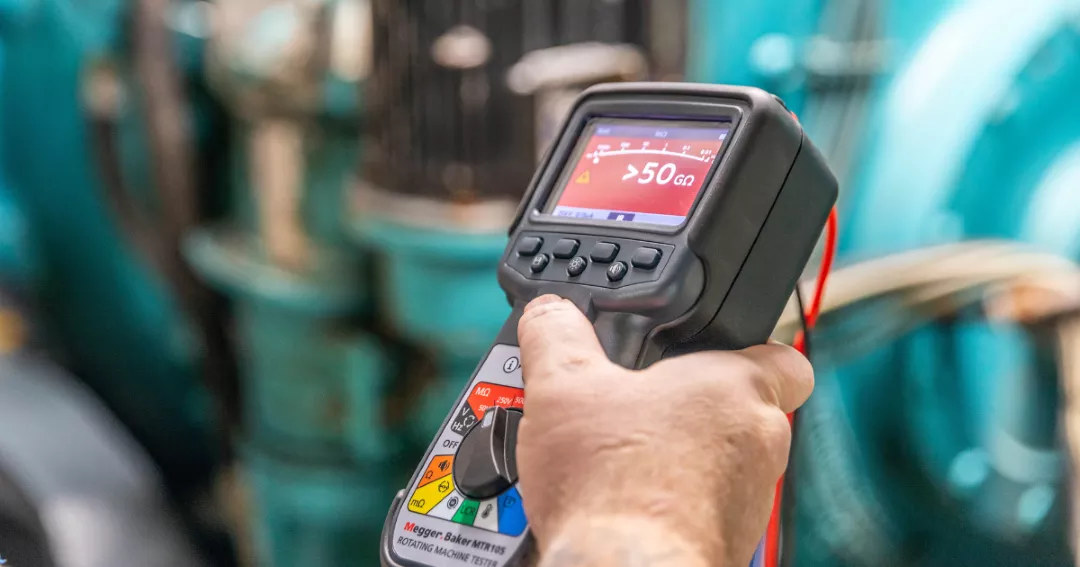
Electronics testing often involves sophisticated instruments and rapidly evolving technologies. Ensuring that all equipment is properly calibrated and maintained according to ISO requirements is a continual challenge. Calibration intervals, uncertainty calculations, and traceability to national or international standards must be rigorously documented.
Regular training for staff, scheduled calibration routines, and partnerships with accredited calibration labs are effective strategies for minimizing technical risks. Investing in modern, self-diagnostic equipment can also reduce downtime and improve compliance.
Process Control and Consistency
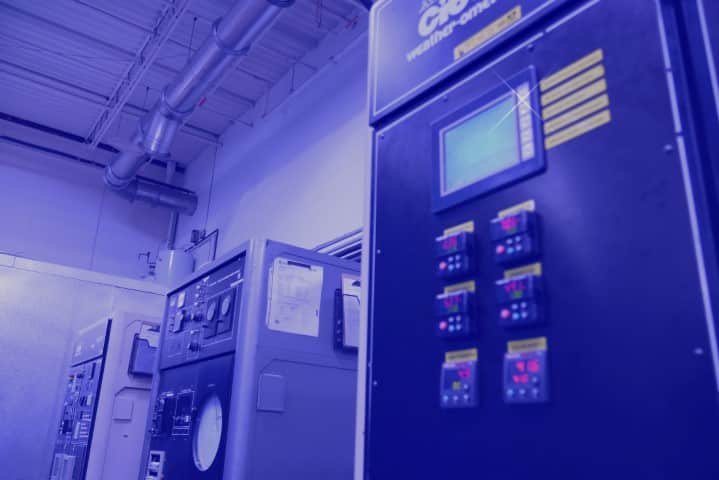
Maintaining consistent testing processes is crucial for both product reliability and regulatory compliance. Variability in test methods, operator techniques, or environmental conditions can lead to inconsistent results and potential audit findings.
Developing standardized operating procedures (SOPs), conducting regular process audits, and leveraging quality management tools can help enforce consistency. For deeper insights into effective process management, see process control ISO electronics testing labs.
Addressing Personnel Competence and Training Gaps
Another significant obstacle is ensuring that all personnel involved in testing are adequately trained and competent. ISO standards require evidence of qualifications, ongoing training, and periodic competency assessments. Staff turnover, evolving technologies, and new regulatory requirements can make this a moving target.
Solutions include developing a structured training program, maintaining up-to-date training records, and conducting regular skills assessments. Encouraging a culture of continuous improvement and professional development helps laboratories stay ahead of compliance requirements.
Risk Management and Root Cause Analysis
Effective risk management is a cornerstone of ISO standards. Identifying, assessing, and mitigating risks related to testing processes, equipment, and data integrity is essential for compliance. When issues arise, thorough root cause analysis is required to prevent recurrence and demonstrate corrective action.
Implementing risk assessment frameworks and using tools such as Failure Mode and Effects Analysis (FMEA) can strengthen your quality system. For more on this topic, refer to the quality risk assessment electronics ISO guide and ISO root cause analysis electronics testing.
Time and Resource Constraints in Achieving Certification
The journey to ISO certification can be time-consuming and resource-intensive. From initial gap analysis to full implementation and audit, organizations must allocate significant personnel, financial, and technical resources. Delays can occur due to unforeseen technical issues, documentation gaps, or audit findings.
Planning is critical. Establishing a clear project timeline, assigning responsibilities, and setting realistic milestones can help manage expectations and keep the process on track. For a detailed look at timelines, see how long ISO certification takes electronics labs.
Solutions and Best Practices for Overcoming ISO Compliance Barriers
While the obstacles are significant, there are proven strategies that can help electronics testing organizations achieve and maintain compliance:
- Invest in digital quality management systems to streamline documentation, calibration tracking, and training records.
- Standardize procedures and regularly review them to ensure alignment with current ISO requirements.
- Foster a culture of continuous improvement by encouraging feedback, regular audits, and ongoing professional development.
- Engage with external experts or consultants for gap analysis, mock audits, and technical support.
- Stay informed about regulatory changes and emerging best practices through industry associations and professional networks.
For a deeper understanding of why certifications remain crucial in today’s electronics industry, see this analysis on traceability and the importance of ISO certifications.
Frequently Asked Questions
What are the most common pitfalls in electronics testing ISO compliance?
Typical pitfalls include incomplete documentation, inadequate calibration records, inconsistent test procedures, and insufficient staff training. Addressing these issues requires robust quality management systems and ongoing oversight.
How can electronics labs speed up the ISO certification process?
Labs can accelerate certification by conducting thorough gap analyses, investing in digital documentation tools, standardizing procedures, and engaging experienced consultants to guide preparation and pre-audit activities.
Why is traceability so important in ISO-compliant electronics testing?
Traceability ensures that every test result can be linked back to specific equipment, procedures, and personnel. This is vital for demonstrating compliance, supporting product recalls, and maintaining customer trust.
Conclusion
Meeting ISO compliance challenges electronics testing professionals face requires a proactive approach, continuous improvement, and a commitment to quality at every level. By understanding the common obstacles and implementing effective solutions, organizations can achieve reliable results, maintain their certifications, and strengthen their position in a competitive marketplace.
