

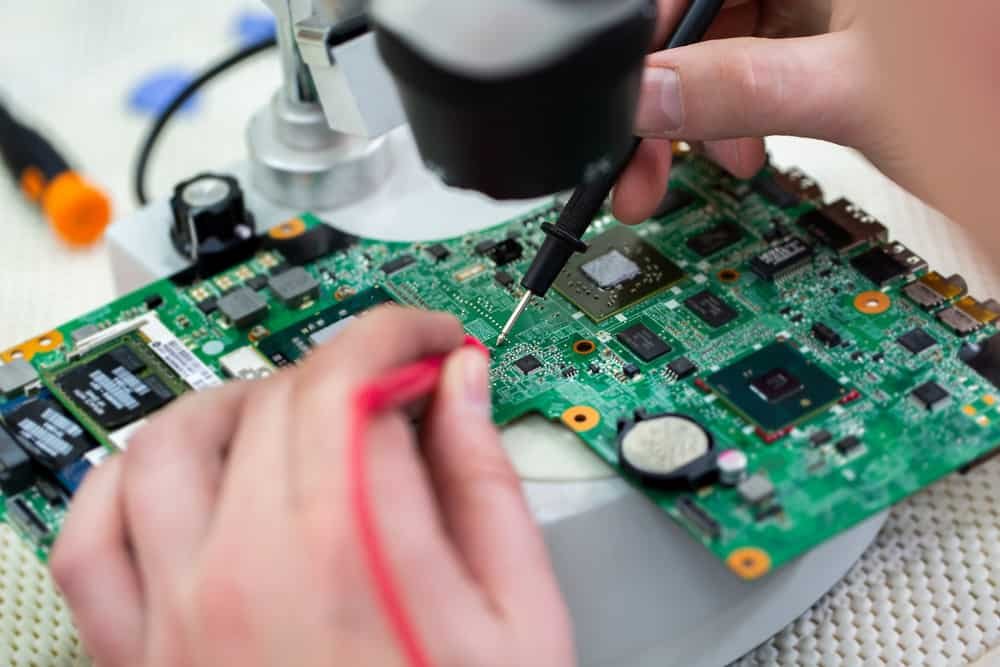
Maintaining high standards in electronics testing is essential for ensuring product reliability, safety, and compliance. Process control ISO electronics testing labs play a crucial role in verifying that electronic components and systems meet stringent international requirements. These labs follow a framework of standards that guide their operations, from test procedures to quality management, helping manufacturers deliver consistent and trustworthy products to the market.
Understanding the key standards and best practices for process control in ISO-accredited electronics testing environments is vital for manufacturers, quality managers, and engineers. By aligning with these protocols, organizations can minimize risks, avoid costly nonconformities, and demonstrate a commitment to continuous improvement. For a deeper dive into risk-based approaches, the quality risk assessment electronics ISO guide offers practical insights tailored to electronics manufacturers.
Understanding ISO Standards in Electronics Testing
International Organization for Standardization (ISO) standards are globally recognized frameworks that define requirements for quality, safety, and efficiency across industries. In the context of electronics testing, several ISO standards are particularly relevant:
- ISO/IEC 17025: Specifies general requirements for the competence of testing and calibration laboratories. It covers technical competence, management systems, and impartiality.
- ISO 9001: Focuses on quality management systems, ensuring consistent processes and continual improvement.
- ISO 14001: Addresses environmental management, which is increasingly important in electronics manufacturing and testing.
Adhering to these standards helps labs establish robust processes, ensure traceability, and build customer confidence. For those seeking certification, resources like this ISO certification guide for the electronics industry provide step-by-step instructions and best practices.
Core Elements of Process Control in ISO-Compliant Labs
Effective process control is at the heart of ISO-compliant electronics testing. It encompasses a series of coordinated activities designed to monitor, measure, and improve laboratory operations. The following elements are fundamental to maintaining high standards in this environment:
- Standard Operating Procedures (SOPs): Documented procedures ensure consistency, repeatability, and compliance with regulatory requirements.
- Calibration and Maintenance: Regular calibration of equipment and preventive maintenance are essential for accurate test results and minimizing downtime.
- Personnel Competence: Ongoing training and competency assessments guarantee that staff are qualified to perform specialized testing tasks.
- Data Integrity: Secure data management systems protect test results from tampering and ensure traceability.
- Continuous Improvement: Feedback loops, audits, and corrective actions drive ongoing enhancements in quality and efficiency.

Key Standards for Quality and Reliability in Electronics Testing
Several standards directly impact how electronics testing laboratories operate and control their processes. Here are some of the most influential:
| Standard | Scope | Impact on Labs |
|---|---|---|
| ISO/IEC 17025 | Testing and calibration lab competence | Defines requirements for impartiality, technical competence, and consistent operations |
| ISO 9001 | Quality management systems | Promotes process standardization and continual improvement |
| IEC 60068 | Environmental testing for electronics | Guides procedures for temperature, humidity, vibration, and other stress tests |
| ISO 14001 | Environmental management | Encourages sustainable practices and regulatory compliance |
By integrating these standards, labs can ensure that their testing processes are both rigorous and adaptable to evolving industry needs.
Best Practices for Process Control in Electronics Testing Environments
Implementing robust process controls in electronics testing environments involves more than just following checklists. Here are proven strategies that leading labs use to maintain compliance and achieve operational excellence:
- Risk-Based Thinking: Identify and address potential sources of error or nonconformance before they impact results. For more on this, see the risk management ISO electronics testing explained article.
- Document Control: Maintain up-to-date records of procedures, test methods, and calibration certificates to support traceability and audits.
- Internal Audits: Conduct regular reviews of processes and outcomes to identify areas for improvement.
- Corrective and Preventive Actions: Promptly address deviations and implement measures to prevent recurrence. Guidance can be found in the ISO corrective action electronics testing guide.
- Stakeholder Communication: Keep clients, regulators, and team members informed about changes, results, and improvements.
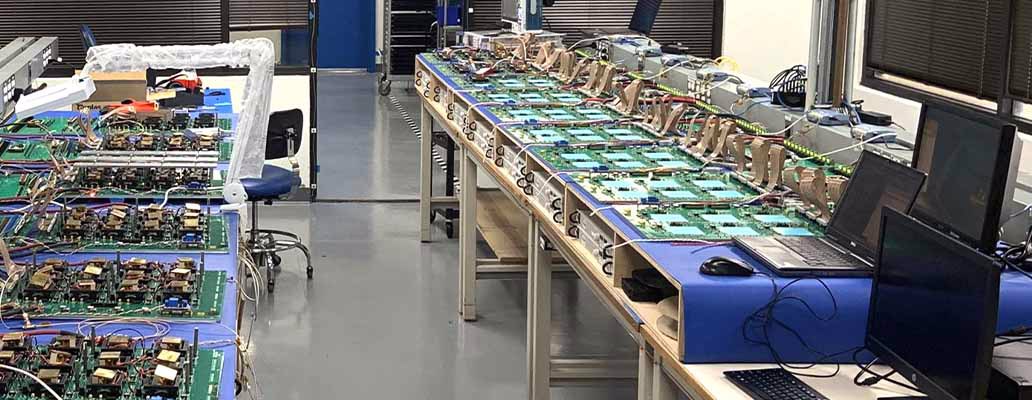
Continuous Improvement and Nonconformance Management
Even the most well-established labs encounter nonconformances—instances where processes or results deviate from requirements. The key is to have a structured approach for identifying, documenting, and addressing these issues. This not only ensures compliance but also fosters a culture of ongoing improvement.
Continuous improvement is a core principle of ISO standards. It involves regularly reviewing processes, soliciting feedback, and implementing changes that enhance quality and efficiency. For practical steps on driving improvement, the continuous improvement ISO electronics testing resource provides actionable guidance.
Managing nonconformances involves:
- Prompt detection and reporting of issues
- Root cause analysis to determine underlying factors
- Implementation of corrective and preventive actions
- Verification of effectiveness before closing the issue
For a detailed overview of handling deviations, refer to the nonconformance ISO electronics testing process article.
Benefits of Adhering to ISO Standards in Electronics Testing
Complying with ISO standards and maintaining strong process controls offers several advantages for electronics testing laboratories and their clients:
- Enhanced Credibility: Accreditation signals competence and reliability to customers and regulators.
- Improved Product Quality: Rigorous testing processes reduce the risk of defects and recalls.
- Market Access: Many industries and regions require ISO-compliant testing for product acceptance.
- Operational Efficiency: Standardized procedures minimize errors and streamline workflows.
- Risk Reduction: Proactive management of process deviations lowers the likelihood of costly failures.
Ultimately, robust process control in ISO-accredited labs helps manufacturers meet regulatory requirements, build customer trust, and stay competitive in a rapidly evolving industry.
Frequently Asked Questions
What is the role of ISO/IEC 17025 in electronics testing labs?
ISO/IEC 17025 sets the requirements for the competence of testing and calibration laboratories. It ensures that labs have the technical capability and management systems needed to deliver accurate, reliable results. Compliance with this standard is often a prerequisite for lab accreditation and is recognized globally.
How do process controls improve reliability in electronics testing?
Process controls establish consistent procedures for every stage of testing, from sample handling to data reporting. By minimizing variability and ensuring traceability, these controls help labs produce repeatable and trustworthy results, which are critical for product safety and performance.
Why is continuous improvement important in ISO electronics testing labs?
Continuous improvement enables labs to adapt to new technologies, regulatory changes, and customer expectations. By regularly reviewing and refining processes, labs can enhance quality, reduce errors, and maintain compliance with evolving standards.
