


Preparing for an ISO audit in electronics testing labs is a critical step toward maintaining compliance, ensuring quality, and building trust with clients and regulatory bodies. Whether your facility is seeking initial certification or preparing for a surveillance audit, a systematic approach is essential. This guide breaks down the process, providing a practical checklist and expert insights to help your lab meet ISO requirements efficiently and confidently.
For a more detailed overview of the certification journey, including timelines and documentation, you may also find ISO certification preparation electronics testing useful as a complementary resource.
Understanding ISO Standards for Electronics Testing Facilities
Electronics testing laboratories commonly seek certification under standards such as ISO/IEC 17025 (General requirements for the competence of testing and calibration laboratories) and, in some cases, ISO 9001 (Quality management systems). These standards set out requirements for technical competence, impartiality, and consistent operation. Meeting them is not just about passing an audit—it’s about embedding quality and reliability into every aspect of your lab’s operations.
Before diving into the checklist, it’s important to understand the scope of your audit. Identify which standard applies, the processes and departments involved, and any previous non-conformities that need special attention. This foundational step ensures your preparation is targeted and effective.
Comprehensive Checklist for ISO Audit Preparation
Use this structured checklist to guide your lab through the essential steps of ISO audit preparation for electronics testing labs. Each point is designed to address key areas auditors will evaluate, helping you avoid common pitfalls and demonstrate robust compliance.
-
Review and Update Documentation
- Ensure all quality manuals, procedures, work instructions, and records are current and accessible.
- Cross-check document control processes: versioning, approvals, and distribution must be clearly managed.
- Verify that all forms and logs are filled out correctly and consistently.
-
Personnel Competence and Training
- Maintain up-to-date training records for all staff involved in testing, calibration, and quality management.
- Confirm that competency assessments are documented and reflect actual job responsibilities.
- Schedule refresher training if any gaps are identified.
-
Equipment Calibration and Maintenance
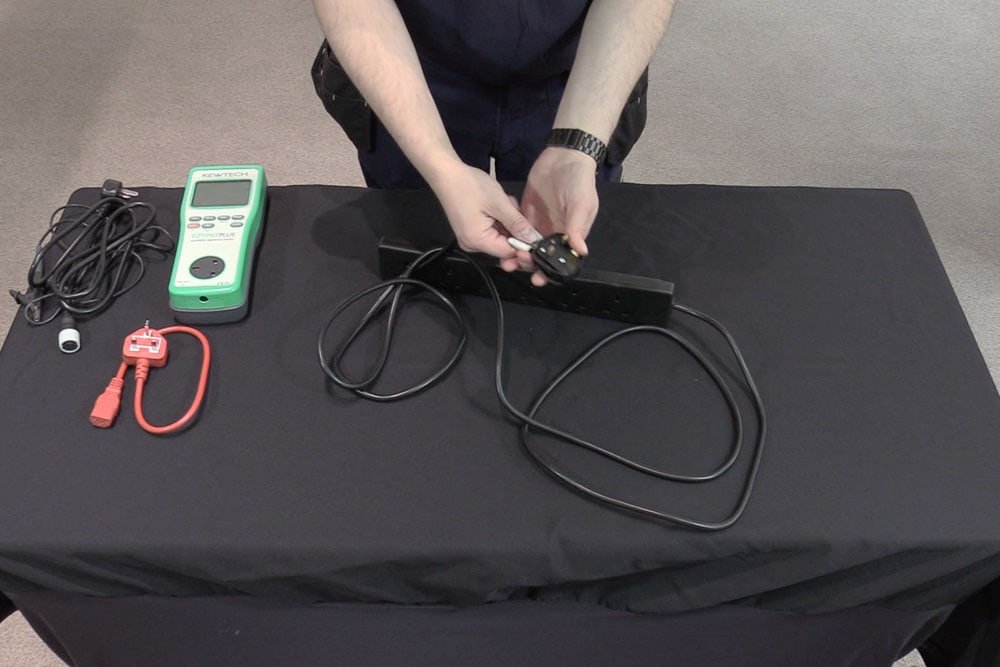
- Check calibration certificates for all critical instruments—ensure they are within valid dates and traceable to recognized standards.
- Review maintenance logs and ensure scheduled servicing is up to date.
- Label equipment clearly with calibration status and due dates.
-
Test Method Validation and Records
- Document validation and verification of all test methods used in the lab.
- Maintain clear records of method changes, deviations, and approvals.
- Ensure test reports are complete, accurate, and traceable to specific samples and methods.
-
Environmental and Safety Controls
- Monitor and record environmental conditions (temperature, humidity, etc.) as required by test methods.
- Verify that safety protocols are in place and followed, including PPE usage and emergency procedures.
- Conduct a walkthrough to check for any safety hazards or housekeeping issues.
-
Internal Audits and Management Reviews
- Complete internal audits covering all relevant processes before the external audit.
- Document findings, corrective actions, and follow-ups.
- Hold a management review meeting and record decisions, actions, and resource needs.
-
Corrective and Preventive Actions
- Review all non-conformities from previous audits and ensure corrective actions are implemented and effective.
- Document preventive actions taken to avoid recurrence of issues.
- Track open actions to closure and maintain evidence for auditor review.
-
Customer Feedback and Complaints
- Collect and review customer feedback, complaints, and resolutions.
- Document how feedback is used to improve processes and service quality.
Key Areas Auditors Focus On During Lab Assessments
Auditors typically concentrate on several critical areas during their assessment of electronics testing facilities. Understanding these focus points can help you prioritize your preparation and allocate resources efficiently.
- Traceability: Auditors will verify that all measurements and calibrations are traceable to national or international standards.
- Impartiality and Confidentiality: Labs must demonstrate procedures to prevent conflicts of interest and protect client information.
- Process Control: Consistency in test execution, data recording, and reporting is essential. For more details on this aspect, see process control ISO electronics testing labs.
- Risk Management: Labs should identify, assess, and mitigate risks that could impact the validity of results. Guidance on this can be found in the quality risk assessment electronics ISO guide.
- Root Cause Analysis: When issues arise, auditors expect thorough investigation and documentation of corrective actions. Refer to ISO root cause analysis electronics testing for best practices.
Common Pitfalls and How to Avoid Them
Even experienced labs can stumble during ISO audit preparation for electronics testing labs. Here are some frequent mistakes and tips to steer clear of them:
- Incomplete Documentation: Missing or outdated records are a red flag for auditors. Set up regular reviews and designate responsible staff for document control.
- Unclear Roles and Responsibilities: Ensure every team member understands their duties and has access to relevant procedures and training.
- Neglecting Internal Audits: Treat internal audits as a genuine opportunity for improvement, not just a formality.
- Ignoring Customer Feedback: Use complaints and suggestions as a driver for process improvement, not just as a compliance checkbox.
- Overlooking Equipment Status: Regularly audit your inventory and calibration schedules to avoid surprises during the assessment.
Expert Tips for a Smooth ISO Audit Experience
Beyond the checklist, consider these expert strategies to make your next audit as smooth as possible:
- Conduct Mock Audits: Simulate the audit process internally to identify weaknesses and build staff confidence.
- Engage Your Team: Involve all relevant personnel in preparation meetings and encourage questions to clarify doubts.
- Maintain Open Communication: Designate a point of contact for auditors and ensure they are well-versed in your lab’s processes and documentation.
- Stay Proactive: Don’t wait for the audit to address issues—continuous improvement is a core principle of ISO standards.
- Leverage Industry Insights: Learn from certified peers and industry resources. For example, this article on the importance of ISO-certified electronics manufacturers highlights the broader benefits of compliance.
Maintaining Compliance After Certification
Achieving ISO certification is not the end of the journey. Ongoing compliance requires regular reviews, staff training, and a commitment to continuous improvement. Schedule periodic internal audits, keep up with changes in standards, and foster a culture where quality and accuracy are everyone’s responsibility.
For labs wondering about the time investment, how long ISO certification takes electronics labs offers a detailed timeline and planning advice.
Frequently Asked Questions
What documents are essential for ISO audit readiness in electronics testing labs?
Key documents include quality manuals, standard operating procedures, training records, calibration certificates, test method validations, internal audit reports, management review minutes, and records of corrective actions. Keeping these documents organized and up to date is crucial for a successful audit.
How often should internal audits be performed in an electronics testing facility?
Internal audits should be conducted at least annually, but more frequent reviews are recommended for high-risk processes or areas with previous non-conformities. Regular audits help identify issues early and demonstrate a proactive approach to quality management.
What are the most common non-conformities found during ISO audits in electronics labs?
Typical non-conformities include incomplete documentation, expired calibration certificates, inadequate training records, and insufficient root cause analysis for corrective actions. Addressing these areas proactively can significantly reduce audit findings.
