

The rapid evolution of high voltage equipment in power electronics has brought unprecedented advancements in energy systems, electric vehicles, and industrial automation. As these technologies become more complex and critical, ensuring their safety, reliability, and interoperability is essential. This is where power electronics ISO testing standards play a fundamental role. These international benchmarks provide a structured framework for evaluating the performance, durability, and compliance of high voltage gear, helping manufacturers, integrators, and end-users meet regulatory and market expectations.
Understanding the landscape of ISO requirements is not just about meeting minimum legal obligations. It’s about building trust, reducing risk, and demonstrating a commitment to quality. For those working with high voltage assemblies, converters, inverters, and associated control systems, navigating the relevant standards can be challenging but ultimately rewarding. This article explores the key ISO benchmarks, their importance, and how they shape the future of power electronics.
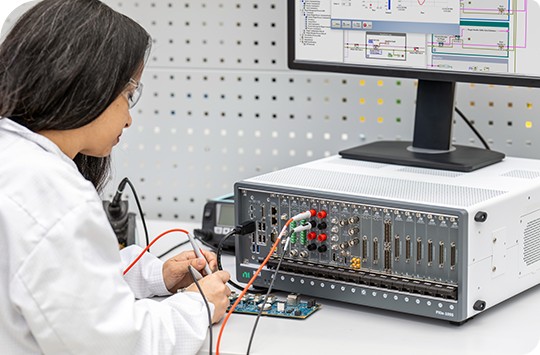
For those interested in broader industry applications, our ISO testing requirements industrial electronics resource provides additional insights into compliance strategies across various electronics sectors.
Why ISO Compliance Matters in High Voltage Power Electronics
The adoption of ISO standards in the field of high voltage gear is driven by several critical factors. First, these standards establish a common language for safety, performance, and environmental compatibility. This is particularly important when equipment is deployed in diverse regions or integrated into complex systems involving multiple vendors.
Second, ISO compliance is often a prerequisite for market entry, especially in regulated industries such as energy, transportation, and manufacturing. Certification demonstrates that products have been independently tested and verified, reducing liability and enhancing customer confidence. In addition, adherence to recognized standards can streamline procurement processes and facilitate international trade.
For a deeper understanding of the broader value of ISO certification, consider reading this overview of why ISO certification is important for businesses.
Core Power Electronics ISO Testing Standards for High Voltage Equipment
Several ISO standards are particularly relevant to high voltage gear in power electronics. While the specific requirements may vary depending on the application, the following benchmarks are widely recognized:
- ISO 61000 Series – Focuses on electromagnetic compatibility (EMC) requirements, ensuring that high voltage devices do not emit excessive electromagnetic interference and are immune to disturbances from other equipment.
- ISO 6469-3 – Addresses safety specifications for electric vehicles, including protection against electric shock and thermal hazards in high voltage systems.
- ISO 13849 – Relates to the safety of machinery, including the functional safety of electrical, electronic, and programmable electronic control systems.
- ISO 21498 – Covers electrical safety requirements for high voltage components in road vehicles, such as inverters and converters.
- ISO 26262 – Applies to functional safety in automotive electronics, particularly in systems operating at high voltages.
These standards are complemented by others addressing insulation coordination, environmental testing, and quality management. Manufacturers must often demonstrate compliance with multiple ISO documents to satisfy both regulatory and customer requirements.
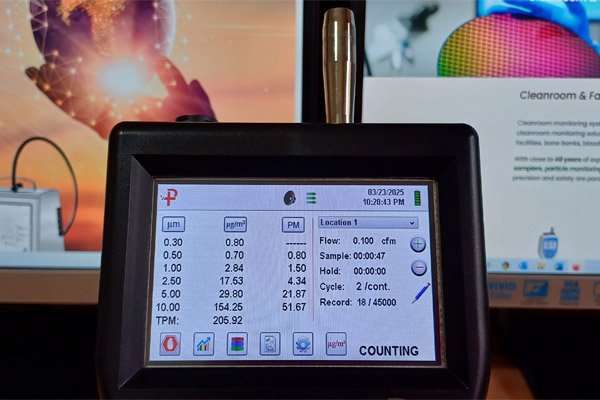
Testing Procedures and Certification Pathways
Achieving compliance with power electronics ISO testing standards involves a series of structured tests and documentation reviews. The process typically includes:
- Design Review: Evaluation of schematics, layouts, and component selection to ensure alignment with relevant ISO requirements.
- Type Testing: Laboratory-based assessments of representative samples, including insulation resistance, dielectric strength, EMC emissions and immunity, and thermal cycling.
- Routine Testing: Ongoing checks during production to verify that each unit meets baseline criteria.
- Documentation and Traceability: Maintenance of detailed records, including test reports, calibration certificates, and compliance declarations.
- Third-Party Certification: Engagement with accredited bodies for independent verification and issuance of ISO certificates.
The certification pathway may vary depending on the product category and market destination. Some sectors, such as automotive and energy, may require additional audits or field evaluations.
Challenges in Meeting ISO Requirements for High Voltage Gear
While the benefits of ISO compliance are clear, achieving and maintaining certification can be demanding. Common challenges include:
- Complexity of Standards: Navigating overlapping requirements from multiple ISO documents and regional regulations.
- Rapid Technological Change: Keeping up with evolving standards as new materials, designs, and applications emerge.
- Testing Infrastructure: Access to specialized laboratories and equipment capable of handling high voltage and high power conditions.
- Cost and Time: The investment required for testing, certification, and ongoing compliance monitoring.
Despite these obstacles, a proactive approach to standardization can yield significant long-term benefits, including reduced recalls, improved safety records, and enhanced market reputation.
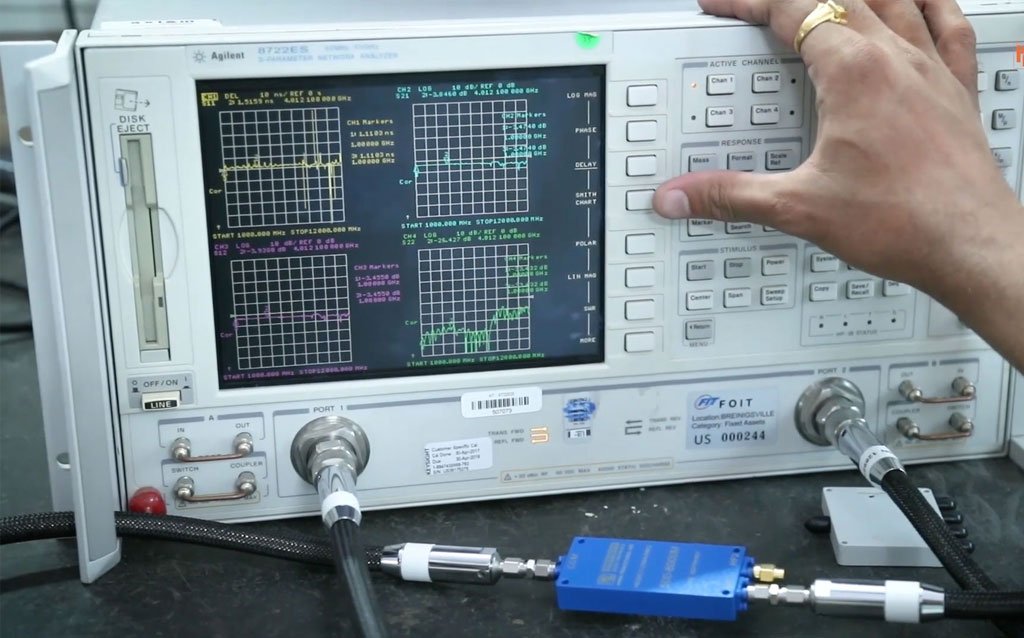
Best Practices for Implementing ISO Testing in Power Electronics
To streamline the path to compliance, organizations should consider the following best practices:
- Early Integration: Incorporate ISO requirements into the design phase to minimize costly redesigns and delays.
- Cross-Functional Teams: Involve engineering, quality, and regulatory experts to ensure comprehensive coverage of all requirements.
- Continuous Training: Keep staff updated on the latest standards and testing methodologies.
- Supplier Collaboration: Work closely with component vendors to ensure upstream compliance and traceability.
- Leverage Digital Tools: Use software for document management, test scheduling, and results analysis to enhance efficiency.
For those interested in sector-specific guidance, our ISO standards for consumer electronics testing article explores similar principles in the context of consumer devices.
Emerging Trends in Power Electronics Testing and Standardization
The landscape of power electronics ISO testing standards continues to evolve. Key trends shaping the future include:
- Integration of Cybersecurity: As high voltage gear becomes more connected, standards are beginning to address digital security alongside traditional safety and EMC requirements.
- Sustainability Metrics: New benchmarks are emerging for environmental impact, recyclability, and energy efficiency.
- Harmonization Efforts: Ongoing work to align ISO standards with IEC and regional regulations to simplify global compliance.
- Advanced Testing Techniques: Adoption of simulation, digital twins, and accelerated life testing to reduce time-to-market and improve reliability predictions.
Staying informed about these developments is crucial for organizations aiming to maintain a competitive edge and ensure the long-term viability of their high voltage products.
FAQ: Power Electronics ISO Testing and High Voltage Gear
What are the most important ISO standards for high voltage power electronics?
Key standards include ISO 61000 for electromagnetic compatibility, ISO 6469-3 and ISO 21498 for electric vehicle safety, and ISO 13849 for machinery safety. The specific standards required depend on the application and regulatory environment.
How often should high voltage gear be tested for ISO compliance?
Testing frequency varies by product type and usage. Typically, type testing is performed during development, while routine testing is conducted on each production unit. Periodic re-evaluations may be required if there are design changes or updates to the standards.
Is third-party certification mandatory for ISO compliance in power electronics?
While not always legally required, third-party certification provides independent verification of compliance and is often requested by customers or regulators. It can also facilitate market access and reduce liability.
Conclusion
Navigating power electronics ISO testing standards is essential for anyone involved in the design, manufacture, or integration of high voltage gear. By understanding the relevant benchmarks, embracing best practices, and staying ahead of emerging trends, organizations can ensure safety, reliability, and market success. For further reading on related topics, explore our telecom electronics ISO certification guide or our ISO compliance medical electronics testing guide.
