


In the electronics sector, maintaining rigorous quality and safety standards is not just a best practice—it is a necessity. Standard operating procedures ISO labs electronics are the backbone of consistent, reliable, and compliant laboratory operations. These documented protocols ensure that every process, from component testing to calibration, aligns with international benchmarks such as ISO/IEC 17025 and ISO 9001. For manufacturers, suppliers, and testing labs, robust SOPs help reduce errors, improve traceability, and support regulatory compliance in a highly competitive marketplace.
Understanding how to document, implement, and continually improve these procedures is essential for any organization aiming to achieve or maintain ISO certification. For those looking to dive deeper into the documentation process, the ISO testing procedures documentation guide offers a comprehensive overview of best practices.
Why SOPs Matter in Electronics Testing Laboratories
The electronics industry is characterized by rapid innovation and strict regulatory demands. Laboratories that test, analyze, or certify electronic components must operate with precision and repeatability. Standard operating procedures in ISO-accredited labs provide a structured approach to every task, ensuring that results are both accurate and reproducible.
Key reasons SOPs are indispensable in this field include:
- Consistency: Every technician follows the same steps, minimizing variability.
- Compliance: SOPs help meet ISO, IEC, and other regulatory requirements.
- Training: New staff can be onboarded efficiently with clear instructions.
- Traceability: Documented processes support audits and customer queries.
- Risk Reduction: Proper procedures lower the chance of costly errors or safety incidents.
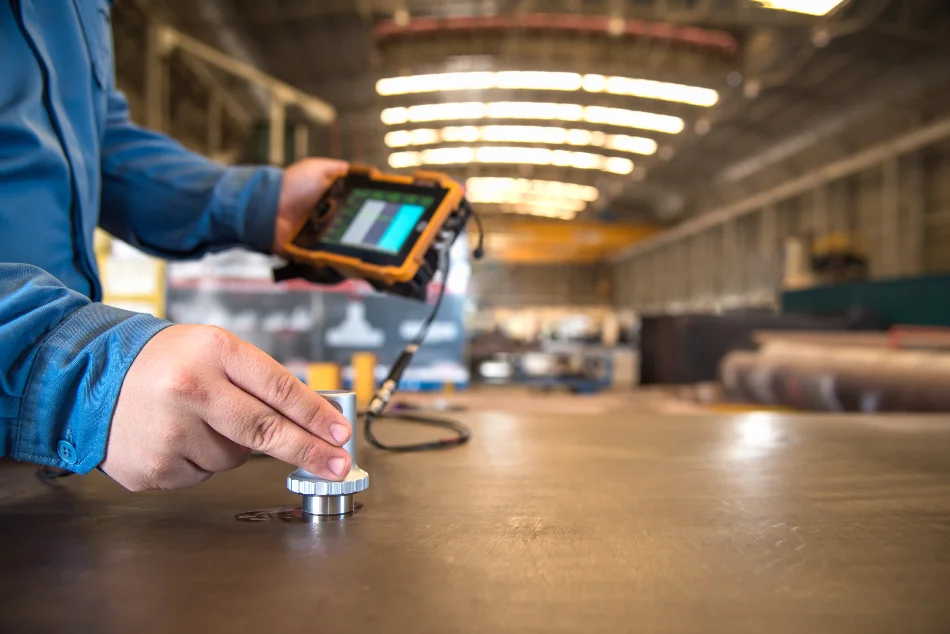
Core Elements of Standard Operating Procedures for Electronics Labs
A well-structured SOP in an electronics laboratory typically includes several essential components. These elements ensure that the procedure is clear, actionable, and compliant with ISO standards.
- Title and Scope: Clearly define the process and its boundaries.
- Purpose: Explain why the procedure exists and its intended outcome.
- Responsibilities: Assign roles for executing, reviewing, and approving the SOP.
- Materials and Equipment: List all required tools, instruments, and materials, including calibration requirements.
- Procedure Steps: Provide step-by-step instructions, including safety precautions and quality checks.
- Documentation and Records: Specify what data must be recorded and how it should be stored.
- References: Cite relevant standards, manuals, or regulatory documents.
- Revision History: Track changes and updates to the procedure.
For more details on how these elements are applied in practice, the ISO testing documentation electronics explained article provides further insights.
Developing and Maintaining SOPs for ISO Electronics Laboratories
Creating effective procedures for ISO-compliant electronics labs requires a systematic approach. The following steps outline a typical development and maintenance workflow:
- Identify Processes: Map out all laboratory activities that require standardization, such as sample preparation, testing, calibration, and reporting.
- Draft Procedures: Collaborate with experienced staff to draft clear, concise instructions for each process. Use language that is easy to understand and avoids ambiguity.
- Review and Approve: Have technical experts and quality managers review the draft SOPs for accuracy and completeness before formal approval.
- Implement and Train: Distribute the approved SOPs and train all relevant personnel. Ensure everyone understands their responsibilities and the importance of following the procedures exactly.
- Monitor and Audit: Regularly review laboratory activities to ensure compliance. Conduct internal audits and solicit feedback from staff to identify areas for improvement.
- Update as Needed: Revise SOPs promptly when processes change, new equipment is introduced, or standards are updated. Maintain a revision log for traceability.
A commitment to continuous improvement is vital. Laboratories should foster a culture where staff are encouraged to suggest updates or flag inconsistencies in existing procedures.
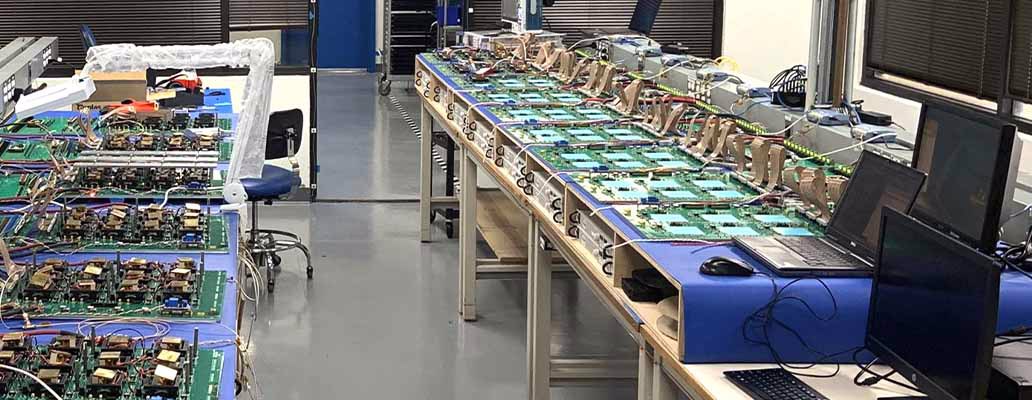
Key ISO Standards for Electronics Laboratory SOPs
Several international standards directly influence how procedures are developed and maintained in electronics testing labs. Understanding these frameworks is crucial for compliance and operational excellence.
| ISO Standard | Focus Area | Relevance to Electronics Labs |
|---|---|---|
| ISO/IEC 17025 | General requirements for the competence of testing and calibration laboratories | Defines requirements for technical competence, impartiality, and consistent operation |
| ISO 9001 | Quality management systems | Emphasizes process control, documentation, and continual improvement |
| ISO 10012 | Measurement management systems | Focuses on calibration and measurement processes |
For organizations seeking certification, understanding the ISO certification process for electronics industry is essential. This resource outlines the steps, documentation, and benefits of achieving compliance.
Best Practices for Documentation and Record Keeping
Proper documentation is a cornerstone of effective SOP management in electronics laboratories. Accurate records not only demonstrate compliance but also support traceability and continuous improvement.
- Use Standardized Templates: Ensure all SOPs follow a consistent format for ease of use and review.
- Maintain Digital and Physical Copies: Store procedures in secure, accessible locations. Digital systems can streamline updates and access control.
- Record Test Results and Deviations: Document all outcomes, including any deviations from standard procedures and corrective actions taken.
- Audit Trails: Keep detailed logs of changes, approvals, and reviews for each SOP.
For further reading on maintaining accuracy, the calibration standards ISO electronics labs guide covers calibration documentation and best practices.
Common Challenges and Solutions in SOP Implementation
While the benefits of robust procedures are clear, laboratories often face challenges in implementation. Some common issues include:
- Resistance to Change: Staff may be accustomed to informal processes. Address this with comprehensive training and clear communication about the benefits of SOPs.
- Keeping Procedures Up to Date: Rapid technological advancements can render SOPs obsolete. Schedule regular reviews and empower staff to suggest updates.
- Ensuring Compliance: Use audits and performance metrics to monitor adherence. Address non-compliance promptly and constructively.
- Managing Documentation: As labs grow, managing numerous SOPs can become complex. Implement document control systems to organize, track, and update procedures efficiently.
For more on traceability and reporting, the traceability ISO electronics testing guide and test reports ISO electronics requirements articles provide practical advice for electronics labs.
FAQ: Standard Operating Procedures in ISO Electronics Laboratories
What are the main benefits of having SOPs in ISO-accredited electronics labs?
SOPs ensure consistency, accuracy, and compliance with international standards. They streamline training, support audits, and reduce the risk of errors or safety incidents.
How often should SOPs be reviewed and updated in electronics laboratories?
It is best practice to review procedures at least annually or whenever there is a change in equipment, standards, or processes. Regular reviews help maintain relevance and compliance.
What documentation is required to support SOPs in ISO labs?
Labs should maintain records of all procedures, test results, deviations, corrective actions, and revision histories. Both digital and physical documentation should be securely stored and easily accessible for audits.
