

Ensuring the reliability and safety of electronic devices is a top priority for manufacturers, engineers, and quality assurance professionals. Electronics hardware quality testing ISO standards provide a globally recognized framework for evaluating, verifying, and certifying the performance and durability of electronic hardware. These guidelines help organizations meet regulatory requirements, reduce product failures, and build trust with customers.
This article explores the core principles of ISO standards for electronics hardware testing, the main types of tests involved, and practical steps for implementing an effective quality assurance program. For those seeking more detail on related topics, you can find additional insights in our guide on signal integrity testing ISO standards explained.
Understanding ISO Standards for Electronics Hardware
ISO (International Organization for Standardization) develops and publishes standards that define best practices for product quality, safety, and consistency. In the context of electronics hardware quality testing ISO guidelines, several key standards are relevant:
- ISO 9001: Focuses on quality management systems, ensuring that organizations consistently meet customer and regulatory requirements.
- ISO/IEC 17025: Specifies requirements for the competence of testing and calibration laboratories.
- ISO 26262: Addresses functional safety for automotive electronic systems.
- ISO 14001: Relates to environmental management, important for electronics manufacturing and disposal.
Adhering to these standards helps organizations demonstrate their commitment to quality and provides a structured approach to testing and documentation.
Key Elements of Electronics Hardware Quality Testing
Quality testing of electronic hardware involves a series of procedures designed to evaluate components, assemblies, and finished products. These procedures are guided by ISO requirements and typically include:
- Visual Inspection: Checking for physical defects, soldering issues, or component misplacement.
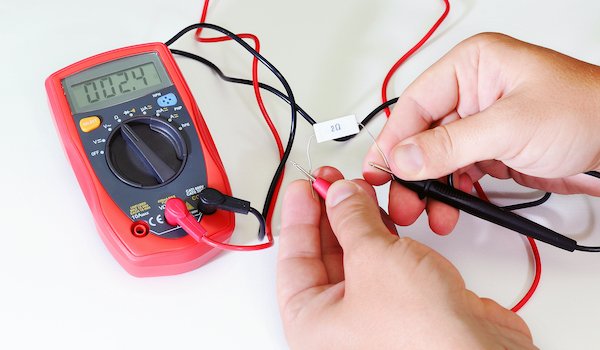
- Electrical Testing: Measuring voltage, current, resistance, and verifying circuit functionality.
- Environmental Stress Testing: Exposing hardware to temperature, humidity, and vibration to assess durability.
- Functional Testing: Ensuring the device performs its intended operations under normal and extreme conditions.
- Reliability Testing: Simulating long-term use to predict product lifespan and failure rates.

Implementing ISO-Compliant Testing Processes
To achieve compliance with electronics hardware quality testing ISO standards, organizations should establish a systematic approach to testing. The following steps can help ensure robust quality assurance:
- Define Test Requirements: Identify which ISO standards apply to your product and industry. For example, automotive electronics may require ISO 26262 compliance, while general consumer electronics often follow ISO 9001 and ISO/IEC 17025.
- Develop Test Plans: Create detailed procedures for each type of test, including acceptance criteria, equipment needed, and documentation protocols.
- Train Personnel: Ensure all staff involved in testing are familiar with ISO requirements and understand how to perform each test accurately.
- Maintain Calibration and Traceability: Regularly calibrate testing equipment and keep records to ensure traceability and repeatability of results.
- Document Results: Record all test outcomes, deviations, and corrective actions. This documentation is vital for audits and continuous improvement.
- Audit and Review: Periodically review testing processes and results to identify areas for improvement and maintain ISO compliance.
For a deeper dive into specific component-level inspections, see our article on electronic component inspection ISO guidelines.
Common Types of ISO-Driven Hardware Tests
Different products and industries may require specific test types, but some of the most common ISO-driven tests include:
- In-Circuit Testing (ICT): Used to verify the integrity of assembled printed circuit boards (PCBs). For more on this, our resource on PCB testing ISO standards explained offers detailed guidance.
- Burn-In Testing: Running hardware for extended periods to identify early-life failures.
- Electromagnetic Compatibility (EMC) Testing: Ensures devices do not emit or are not susceptible to unwanted electromagnetic interference.
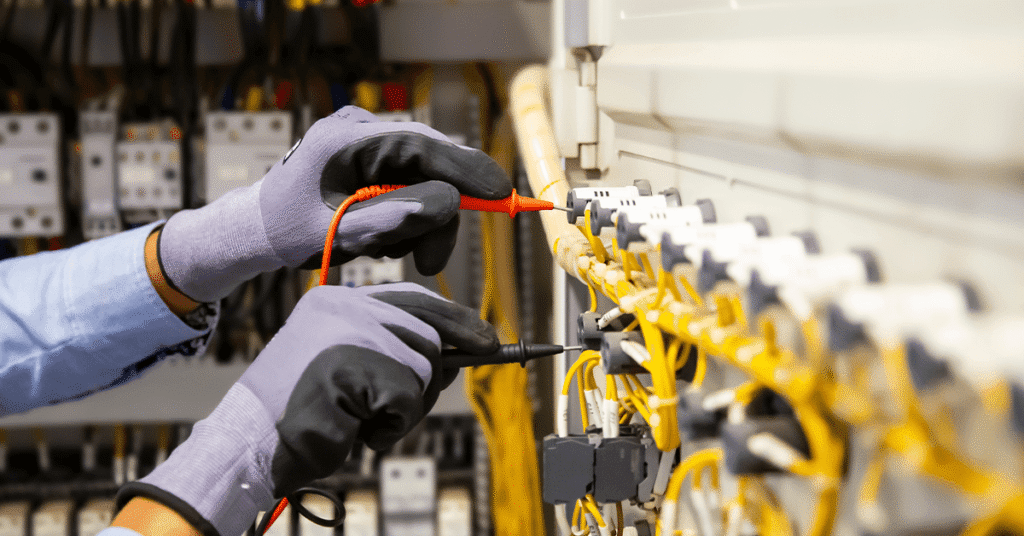
- Safety Compliance Testing: Verifies that products meet electrical safety standards to protect users from hazards.
Benefits of Adhering to ISO Standards in Electronics Testing
Following internationally recognized guidelines for electronics hardware quality testing ISO brings several advantages:
- Improved Product Reliability: Systematic testing reduces the risk of defects and failures in the field.
- Regulatory Compliance: Meeting ISO requirements helps organizations satisfy legal and market-specific regulations.
- Customer Confidence: Certification and adherence to standards enhance brand reputation and trust.
- Operational Efficiency: Standardized processes streamline testing, reduce waste, and support continuous improvement.
For manufacturers in sectors like telecommunications and consumer electronics, ISO certification can also open doors to new markets and partnerships. For more information on how ISO standards impact the electronics and telecommunications sector, see this overview of ISO certification for electronics and telecommunications.
Challenges and Best Practices in ISO-Based Testing
While the benefits are clear, implementing ISO-compliant testing can present challenges. Common obstacles include keeping up with evolving standards, managing documentation, and ensuring all team members are properly trained. To overcome these hurdles:
- Stay Informed: Regularly review updates to ISO standards relevant to your products and industry.
- Invest in Training: Provide ongoing education for staff to maintain high testing standards.
- Leverage Technology: Use digital tools for test management, data collection, and reporting to streamline compliance.
- Engage in Continuous Improvement: Use audit results and feedback to refine processes and address weaknesses.
For those involved in circuit-level validation, our article on circuit testing ISO requirements explained provides further practical advice.
Integrating ISO Testing with Broader Quality Assurance
ISO-driven hardware testing is just one aspect of a comprehensive quality assurance strategy. Integrating these tests with other quality control measures—such as supplier audits, incoming material inspections, and end-of-line testing—ensures a holistic approach to product reliability.
Manufacturers of semiconductors and advanced electronics may also benefit from reviewing our semiconductor testing ISO compliance guide for industry-specific tips.
Frequently Asked Questions
What are the main ISO standards for electronics hardware testing?
The most widely used ISO standards for electronics hardware include ISO 9001 (quality management), ISO/IEC 17025 (testing and calibration labs), ISO 26262 (functional safety for automotive electronics), and ISO 14001 (environmental management). The choice of standard depends on the product type and industry requirements.
Why is ISO compliance important in electronics hardware quality testing?
ISO compliance ensures consistent product quality, safety, and reliability. It helps organizations meet regulatory requirements, reduce the risk of product failures, and build customer trust. Certification can also facilitate market access and improve operational efficiency.
How can companies maintain ISO compliance in hardware testing?
Companies should establish clear test plans, provide regular training for staff, maintain calibration and traceability of equipment, document all test results, and conduct periodic audits. Leveraging digital tools and staying updated on standard revisions also supports ongoing compliance.
