

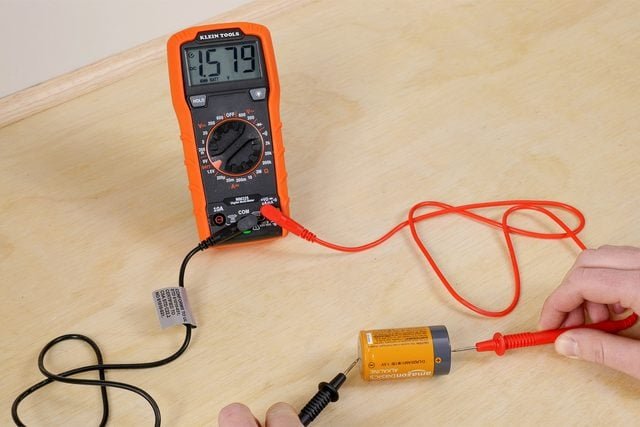
Ensuring reliable performance in electronic hardware requires rigorous assessment of signal quality. Signal integrity testing is a cornerstone of this process, helping manufacturers verify that their devices transmit and receive signals without distortion, loss, or interference. International Organization for Standardization (ISO) guidelines play a key role in setting the benchmarks for these evaluations, providing a global framework for quality and consistency.
Understanding how ISO standards apply to signal integrity testing is essential for engineers, quality managers, and manufacturers who want to deliver robust, compliant products. This article breaks down the essentials of these standards, explains their practical impact, and offers guidance on how to implement them effectively in hardware development workflows.
For those interested in a broader perspective on compliance, the hardware validation ISO electronics testing guide provides additional context on how ISO standards shape the entire electronics testing landscape.
What Is Signal Integrity and Why Does It Matter?
Signal integrity refers to the quality and reliability of electrical signals as they travel through circuits, cables, or printed circuit boards (PCBs). Poor signal integrity can cause data errors, communication failures, and even hardware malfunctions. As devices become faster and more complex, maintaining clean, undistorted signals is increasingly challenging.
Testing for signal integrity involves measuring parameters such as:
- Signal attenuation and distortion
- Crosstalk between adjacent traces or wires
- Electromagnetic interference (EMI)
- Timing errors and jitter
- Reflection and impedance mismatches
By following standardized testing protocols, manufacturers can ensure that their products meet both functional and regulatory requirements, reducing the risk of costly recalls or failures in the field.
Overview of ISO Standards for Signal Integrity Testing
ISO has developed a range of standards that address the testing and validation of electronic hardware. While there is no single ISO document dedicated exclusively to signal integrity, several standards incorporate relevant requirements and best practices. These include:
- ISO/IEC 17025: General requirements for the competence of testing and calibration laboratories. This standard ensures that labs conducting signal integrity tests are technically proficient and produce valid results.
- ISO 9001: Quality management systems. This standard emphasizes process control, documentation, and continual improvement, which are vital for consistent signal integrity assessments.
- ISO/IEC 11801: Information technology – Generic cabling for customer premises. This standard covers performance criteria for cabling systems, including signal quality and transmission parameters.
- Other sector-specific standards, such as those for automotive, aerospace, or telecommunications, may also reference signal integrity requirements.
For a detailed look at how ISO standards apply to PCB manufacturing, see the PCB testing ISO standards explained resource.
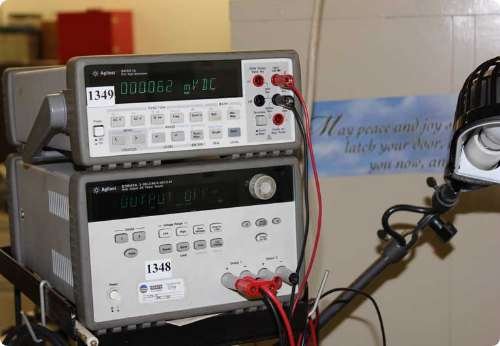
Key Elements of ISO-Compliant Signal Integrity Testing
To align with ISO guidelines, signal integrity evaluations should incorporate the following elements:
- Accredited Laboratory Procedures: Testing must be conducted in facilities that meet ISO/IEC 17025 requirements, ensuring traceability, calibration, and documented methodologies.
- Standardized Test Methods: Use internationally recognized procedures for measuring parameters like rise/fall times, eye diagrams, and bit error rates. This ensures consistency and comparability of results.
- Documented Results and Traceability: Maintain detailed records of test setups, equipment calibration, environmental conditions, and measurement data. This supports audits and continuous improvement.
- Quality Management Integration: Embed signal integrity checks within a broader ISO 9001 quality management system, linking them to design reviews, supplier evaluations, and corrective actions.
By following these principles, organizations can demonstrate compliance, improve product reliability, and build trust with customers and regulatory bodies.
How ISO Standards Shape Hardware Signal Testing
ISO frameworks influence not only the technical aspects of signal integrity testing but also the organizational processes that support it. Here’s how these standards impact hardware development:
- Consistent Test Environments: ISO/IEC 17025 requires regular calibration and validation of test equipment, minimizing measurement errors and variability.
- Process Control: ISO 9001 encourages the use of controlled procedures, reducing the risk of oversight or inconsistency during testing.
- Supplier and Component Evaluation: ISO standards often extend to suppliers, requiring them to meet similar quality benchmarks for components and subassemblies. For more on this, the component testing ISO electronics standards guide is a useful reference.
- Regulatory and Market Access: Many industries require ISO-compliant testing as a prerequisite for product certification or market entry, especially in sectors like automotive, aerospace, and telecommunications.
These requirements help organizations avoid costly rework, reduce time-to-market, and ensure that products perform as intended in real-world conditions.

Best Practices for Implementing ISO Signal Integrity Testing
Adopting ISO-aligned signal integrity assessments involves more than just following technical procedures. Consider these best practices for a robust approach:
- Train Staff Regularly: Ensure engineers and technicians understand both the technical and documentation requirements of ISO standards.
- Maintain Up-to-Date Equipment: Regular calibration and equipment upgrades are essential for accurate measurements.
- Integrate Testing Into Design Cycles: Perform signal integrity checks throughout the development process, not just at the end. Early detection of issues reduces costs and delays.
- Leverage Digital Documentation: Use electronic records for test results, calibration certificates, and process documentation to streamline audits and reviews.
- Engage Accredited Partners: When outsourcing, select labs and suppliers with proven ISO accreditation for signal integrity testing.
For manufacturers in highly regulated industries, understanding sector-specific requirements is also crucial. The semiconductor testing ISO compliance guide offers insights tailored to chip and component makers.
Common Challenges and How to Overcome Them
While ISO standards provide a clear framework, organizations often face practical hurdles when implementing signal integrity assessments:
- Complexity of Standards: Navigating multiple overlapping ISO documents can be daunting. Focus on the most relevant standards for your product type and market.
- Resource Constraints: Smaller organizations may lack in-house expertise or equipment. Partnering with accredited labs or consultants can bridge the gap.
- Keeping Up With Technology: As hardware speeds increase, test methods and standards evolve. Stay informed through industry groups and regular training.
- Documentation Burden: ISO compliance requires thorough record-keeping. Automating documentation and using digital tools can reduce the workload.
For a broader overview of how ISO requirements apply to circuit-level validation, the circuit testing ISO requirements explained article is a helpful resource.
Industry Applications and Real-World Impact
Signal integrity testing under ISO guidelines is critical in sectors where reliability and safety are paramount. Examples include:
- Automotive Electronics: Ensuring that communication between sensors, controllers, and actuators is error-free, especially in safety-critical systems.
- Telecommunications: Verifying that high-speed data links maintain integrity over long distances and under varying environmental conditions.
- Medical Devices: Guaranteeing that diagnostic and therapeutic equipment transmits accurate signals, minimizing the risk of misdiagnosis or malfunction.
- Industrial Automation: Maintaining robust communication between controllers, sensors, and actuators in noisy or harsh environments.
Adhering to ISO standards not only helps companies meet regulatory requirements but also enhances product reputation and customer trust.
For a comprehensive look at how ISO frameworks shape electronics manufacturing, the overview of ISO standards in electronics factories provides valuable insights.
FAQ
What are the main ISO standards relevant to signal integrity testing?
The most commonly referenced ISO standards include ISO/IEC 17025 for laboratory competence, ISO 9001 for quality management, and ISO/IEC 11801 for cabling performance. Depending on your industry, additional sector-specific standards may apply.
Why is ISO accreditation important for signal integrity testing labs?
ISO accreditation, particularly under ISO/IEC 17025, demonstrates that a laboratory meets international benchmarks for technical competence, traceability, and quality assurance. This ensures test results are reliable and accepted by customers and regulators worldwide.
How can manufacturers keep up with evolving ISO requirements?
Staying current involves regular staff training, participation in industry groups, and monitoring updates from ISO and related organizations. Leveraging digital tools for documentation and process management also helps maintain compliance as standards evolve.
