

Ensuring the durability and reliability of electronic products is a top priority for manufacturers and end-users alike. As technology becomes more integrated into daily life and critical infrastructure, the need for rigorous assessment of product longevity has never been greater. Lifecycle testing electronics ISO standards play a pivotal role in verifying that devices can withstand the demands of real-world usage over time. These internationally recognized benchmarks help organizations maintain high quality, reduce failures, and meet regulatory requirements.
Understanding the principles behind lifecycle evaluation and the relevant ISO frameworks is essential for anyone involved in electronics design, manufacturing, or quality assurance. For those looking to deepen their knowledge of related quality assurance processes, the failure analysis electronics ISO process offers valuable insights into identifying and addressing weaknesses in electronic assemblies.

Understanding Lifecycle Testing in Electronics
Lifecycle testing refers to a series of assessments designed to simulate the entire operational life of an electronic device. By exposing products to conditions that mimic years of use, manufacturers can predict how components will perform, degrade, or potentially fail. This process is essential for industries where reliability is non-negotiable, such as medical devices, automotive systems, aerospace, and consumer electronics.
Key objectives of lifecycle evaluation include:
- Identifying failure modes before products reach the market
- Validating design choices and material selections
- Ensuring compliance with international safety and quality standards
- Reducing warranty claims and costly recalls
By following recognized protocols, organizations can confidently demonstrate that their products meet or exceed industry expectations for durability and performance.
ISO Standards Guiding Electronics Lifecycle Testing
The International Organization for Standardization (ISO) has developed a comprehensive set of standards that provide frameworks for quality management, product testing, and reliability assurance in electronics. The most relevant ISO standards for lifecycle testing include:
- ISO 9001: Focuses on quality management systems, ensuring consistent processes and continual improvement.
- ISO 13485: Applies specifically to medical device manufacturing, emphasizing risk management and product traceability.
- ISO 16750: Addresses environmental conditions and testing for automotive electronics, covering vibration, temperature, humidity, and more.
- ISO 26262: Pertains to functional safety in automotive systems, including electronic components.
Each standard outlines requirements for documentation, testing methods, and quality controls. Adhering to these guidelines not only ensures product reliability but also facilitates market access and regulatory approval in many regions.
For a deeper dive into reliability protocols, see the electronics reliability testing ISO explained article, which breaks down the testing methodologies in detail.
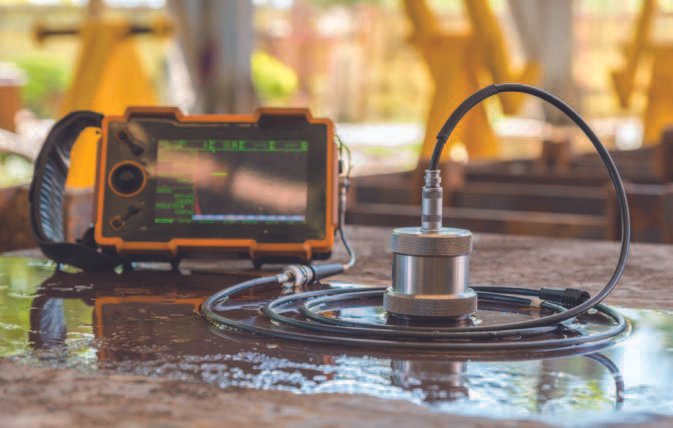
Key Elements of Lifecycle Testing Electronics ISO Standards
To effectively implement lifecycle testing, organizations must integrate several core elements as outlined by ISO frameworks:
1. Environmental Stress Testing
Simulating harsh conditions such as temperature extremes, humidity, vibration, and mechanical shock is critical. These tests reveal how electronics respond to real-world stresses over time. ISO 16750 and related standards provide detailed protocols for such evaluations.
2. Accelerated Life Testing
Accelerated life testing (ALT) uses intensified stressors to induce failures more quickly than under normal use. This approach helps estimate product lifespan and identify weak points. ALT is a cornerstone of lifecycle assessment, especially for high-reliability sectors.
3. Documentation and Traceability
Maintaining thorough records of test procedures, results, and corrective actions is essential for compliance. ISO 9001 and ISO 13485 emphasize the importance of documentation for quality assurance and regulatory audits.
4. Failure Analysis and Feedback Loops
When failures occur during testing, a structured analysis helps pinpoint root causes. This feedback is used to refine designs, improve materials, or adjust manufacturing processes. For more on this, explore the failure analysis electronics ISO process resource.
Benefits of Adhering to International Standards
Following lifecycle testing electronics ISO standards delivers significant advantages:
- Enhanced product reliability and customer satisfaction
- Streamlined entry into global markets due to recognized certifications
- Reduced risk of costly recalls or field failures
- Improved internal processes and team accountability
- Facilitated compliance with regulatory bodies and industry partners
For electronics manufacturers, the investment in robust testing and ISO compliance pays dividends in reputation, operational efficiency, and long-term profitability.
For those interested in how environmental conditions impact electronics, the environmental durability electronics testing guide provides practical advice on ensuring resilience in diverse climates.

Implementing Lifecycle Testing in Manufacturing Workflows
Integrating lifecycle assessment into the product development and manufacturing process requires a systematic approach. Here are the main steps:
- Define test objectives based on product use cases and regulatory requirements.
- Develop a test plan aligned with relevant ISO standards, specifying environmental conditions, stressors, and pass/fail criteria.
- Set up test equipment and monitoring systems to capture data throughout the test cycles.
- Conduct tests, record results, and analyze failures for continuous improvement.
- Document all findings and corrective actions for traceability and compliance audits.
Collaboration between design, engineering, and quality teams is essential to ensure that lifecycle testing is both effective and efficient. Leveraging ISO frameworks helps standardize processes and fosters a culture of quality throughout the organization.
For more on integrating mechanical and environmental safety methods, see the mechanical testing electronics ISO standards overview.
Certification and Market Access
Achieving certification to recognized ISO standards is often a prerequisite for entering regulated markets or partnering with major OEMs. Certifications such as ISO 9001 and ISO 13485 demonstrate a commitment to quality and risk management. For a comprehensive look at the certification process and its impact on electronics manufacturing, consult this guide to ISO 9001 and ISO 13485 certifications in electronics manufacturing.
Certification not only opens doors to new business opportunities but also reassures customers and regulators that products have undergone rigorous, standardized testing for long-term reliability.
Challenges and Best Practices
While the benefits of lifecycle testing are clear, implementing these processes can present challenges:
- High initial investment in test equipment and facilities
- Need for specialized expertise in test design and data analysis
- Balancing thorough testing with time-to-market pressures
- Keeping up with evolving ISO standards and regulatory changes
Best practices to overcome these hurdles include:
- Investing in staff training and continuous education
- Automating data collection and analysis where possible
- Engaging with industry groups to stay informed on standards updates
- Adopting a proactive approach to quality, integrating testing early in the product lifecycle
For organizations operating in diverse climates, the climate testing electronics ISO requirements article offers strategies for adapting lifecycle tests to different environmental conditions.
FAQ: Lifecycle Testing and ISO Standards in Electronics
What is the main purpose of lifecycle testing in electronics manufacturing?
The primary goal is to simulate the entire operational life of a device, identifying potential failure modes and ensuring long-term reliability before products reach the market. This proactive approach reduces warranty claims and enhances customer satisfaction.
Which ISO standards are most relevant for electronics lifecycle testing?
Key standards include ISO 9001 for quality management, ISO 13485 for medical devices, ISO 16750 for automotive electronics, and ISO 26262 for functional safety. Each provides a framework for testing, documentation, and compliance.
How does lifecycle testing benefit manufacturers and end-users?
Manufacturers gain confidence in product durability, reduce the risk of recalls, and improve market access. End-users benefit from more reliable products that perform as expected over their intended lifespan.
Is ISO certification mandatory for all electronics manufacturers?
While not always legally required, ISO certification is often necessary to access certain markets, meet customer requirements, or comply with industry regulations. It also signals a strong commitment to quality and reliability.
By following established lifecycle testing electronics ISO standards, organizations can deliver products that stand the test of time, meet global regulatory demands, and earn the trust of customers worldwide.
