


For electronics manufacturers, ensuring that products are robust, durable, and compliant with international standards is essential for market success. Electronics reliability testing ISO explained is a topic that addresses how global ISO standards guide the evaluation of electronic products’ performance and longevity. Understanding these requirements helps manufacturers minimize failures, reduce warranty claims, and build trust with customers and partners.
This article provides a clear overview of how ISO standards shape reliability testing in the electronics sector. We’ll discuss the main ISO guidelines, the types of tests involved, and why compliance is critical for both quality assurance and international market access. For those interested in related topics, you can also explore IP rating testing ISO standards explained for insights on dust and water protection.
Understanding ISO Standards in Electronics Reliability Testing
ISO, the International Organization for Standardization, develops globally recognized standards that ensure products and services are safe, reliable, and of good quality. In the context of electronics, ISO standards define the procedures, test methods, and performance criteria for assessing product reliability. These standards help manufacturers demonstrate that their devices can withstand real-world conditions and maintain functionality over time.
Some of the most relevant ISO standards for electronics reliability include:
- ISO 9001: Focuses on quality management systems, ensuring consistent product quality and continuous improvement.
- ISO 16750: Specifies environmental conditions and testing for electrical and electronic equipment in road vehicles.
- ISO 26262: Addresses functional safety for automotive electronics.
- ISO 60068: Covers environmental testing procedures such as temperature, humidity, vibration, and shock.
By adhering to these standards, manufacturers can confidently market their products worldwide, knowing they meet the expectations of regulators, customers, and partners.
Key Elements of ISO-Based Reliability Testing
Reliability testing under ISO guidelines involves subjecting electronic products to a series of controlled stressors to simulate real-life operating conditions. The goal is to identify potential failure modes and verify that the product will perform as intended throughout its lifecycle.
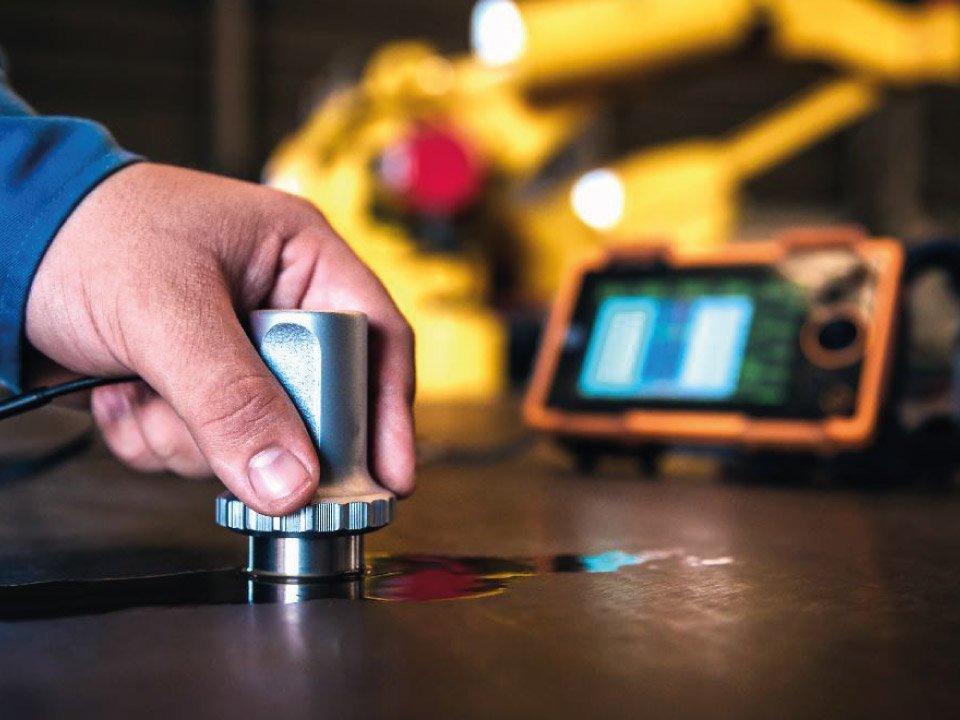
Some of the most common reliability tests specified by ISO standards include:
- Thermal cycling: Exposing products to alternating high and low temperatures to assess resistance to thermal stress.
- Vibration and shock testing: Simulating transportation and operational vibrations to ensure mechanical durability. For more details, see shock testing electronics ISO methods.
- Humidity testing: Evaluating performance under high moisture conditions, which is critical for products used in humid environments.
- Salt spray and corrosion testing: Assessing resistance to corrosive atmospheres, especially for outdoor or marine applications.
- Electrical overstress and surge testing: Ensuring circuits can withstand voltage spikes and power fluctuations.
These tests are designed to uncover weaknesses in design, materials, or assembly processes before products reach the market.
Benefits of ISO-Compliant Reliability Testing for Manufacturers
Complying with ISO reliability testing standards offers several advantages for electronics manufacturers:
- Market access: Many global markets require proof of compliance with ISO standards as a prerequisite for product entry.
- Risk reduction: Early identification of design or manufacturing flaws helps prevent costly recalls and warranty claims.
- Customer confidence: ISO certification signals a commitment to quality and reliability, strengthening brand reputation.
- Continuous improvement: Regular testing and process reviews foster a culture of ongoing enhancement and innovation.
For a deeper dive into the value of ISO certification for electronics producers, see this comprehensive overview of ISO certification benefits for electronics manufacturers.
Types of ISO Reliability Tests in Electronics
ISO standards encompass a wide range of reliability tests, each targeting specific product vulnerabilities. Here are some of the most important categories:
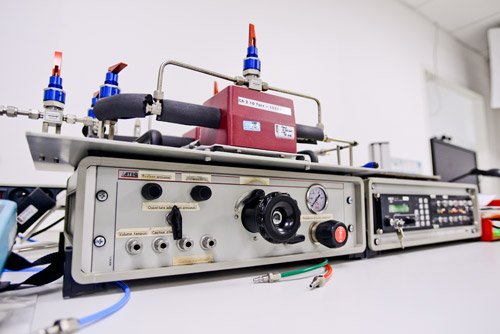
- Environmental durability: Evaluates how products withstand harsh environmental factors such as temperature extremes, moisture, dust, and corrosive agents. For more on this, review the environmental durability electronics testing guide.
- Mechanical stress: Assesses resistance to physical forces like drops, impacts, and vibrations. This is especially important for portable devices and automotive electronics.
- Electrical reliability: Tests circuits for tolerance to surges, electrostatic discharge, and power interruptions.
- Ingress protection: Measures resistance to dust and water, often referenced by IP ratings. Learn more in the IP rating testing ISO standards explained article.
Each test is conducted according to strict ISO protocols, ensuring repeatability and comparability of results across different labs and manufacturers.
How to Prepare for ISO Reliability Testing
Preparation is key for successful reliability testing. Manufacturers should start by reviewing the relevant ISO standards for their product type and application. This involves:
- Identifying applicable ISO standards based on product function, market, and industry requirements.
- Designing products with reliability in mind, selecting materials and components that meet or exceed ISO criteria.
- Establishing robust quality management systems, such as those outlined in ISO 9001.
- Partnering with accredited testing laboratories that follow ISO protocols for test execution and reporting.
- Documenting all processes, test results, and corrective actions to support certification and audits.
Early engagement with testing experts can help streamline the process and avoid costly redesigns or delays.
Common Challenges and Solutions in ISO Reliability Testing
While ISO-based reliability testing brings many benefits, manufacturers may encounter challenges such as:
- Complexity of standards: Navigating multiple ISO documents and updates can be overwhelming. Solution: Assign a dedicated compliance manager or work with consultants specializing in electronics standards.
- Testing costs and time: Comprehensive testing can be resource-intensive. Solution: Integrate reliability considerations early in the design phase to minimize rework and optimize test plans.
- Interpreting results: Understanding test data and failure modes requires expertise. Solution: Collaborate with experienced engineers and testing labs to accurately interpret findings and implement improvements.
Continuous training and process optimization help overcome these hurdles and ensure ongoing compliance.
Integrating ISO Reliability Testing into Product Development
To maximize the value of ISO reliability testing, manufacturers should embed testing activities throughout the product development lifecycle. This includes:
- Conducting preliminary tests on prototypes to identify issues early.
- Iteratively refining designs based on test feedback.
- Performing final qualification tests before mass production.
- Implementing ongoing monitoring and field data analysis to inform future product improvements.
This proactive approach not only ensures compliance but also drives innovation and customer satisfaction.
Related ISO Testing Standards in Electronics
Beyond reliability, ISO standards cover a wide range of testing domains relevant to electronics manufacturers. For example, those interested in climate resilience can consult the climate testing electronics ISO requirements guide, while those focused on mechanical durability should review mechanical testing electronics ISO standards.
Staying informed about evolving standards and best practices is essential for maintaining a competitive edge in the electronics industry.
FAQ
What is the purpose of ISO reliability testing in electronics manufacturing?
ISO reliability testing is designed to ensure that electronic products meet international standards for durability, safety, and performance. By following these guidelines, manufacturers can identify potential weaknesses, reduce the risk of failures, and demonstrate compliance to customers and regulators.
Which ISO standards are most relevant for electronics reliability testing?
Key standards include ISO 9001 for quality management, ISO 16750 for environmental testing in automotive electronics, ISO 60068 for general environmental testing, and ISO 26262 for functional safety in automotive applications. The specific standards required depend on the product type and target market.
How can manufacturers benefit from ISO-compliant reliability testing?
Manufacturers gain access to global markets, reduce warranty and recall costs, improve product quality, and enhance customer confidence. ISO compliance also supports continuous improvement and helps companies stay ahead of regulatory changes.
