


Ensuring that electronic devices can withstand sudden physical impacts is a critical part of product development and quality assurance. Shock testing electronics ISO methods are internationally recognized procedures designed to evaluate how well electronic components and assemblies perform when subjected to abrupt mechanical shocks. These tests help manufacturers identify weaknesses, improve product reliability, and comply with global standards for safety and durability.
For organizations aiming to sell electronics in competitive markets, understanding and applying these standardized methods is essential. Not only do they help in meeting regulatory requirements, but they also provide confidence to end users that the products will function reliably under real-world conditions. Before exploring the technical aspects, it’s helpful to see how these methods fit within the broader context of electronics testing. For more on related standards, see IP rating testing ISO standards explained.
Understanding ISO Shock Testing for Electronics
International Organization for Standardization (ISO) standards provide a framework for consistent and repeatable testing of electronic devices. In the context of shock testing electronics ISO methods, the focus is on simulating real-life impacts that might occur during shipping, handling, installation, or accidental drops. The most relevant ISO standards for shock testing include ISO 2248, ISO 13355, and ISO 16750-3, among others. These documents outline procedures, equipment requirements, and performance criteria for evaluating the mechanical resilience of electronic products.
Shock tests are typically performed using specialized equipment such as drop testers, shock machines, or vibration tables. The goal is to apply a controlled, repeatable force to the device and observe its response. Parameters such as acceleration, duration, and pulse shape are carefully defined to ensure meaningful results. By adhering to these standards, manufacturers can compare results across different products and production batches, ensuring consistent quality.
Why Impact and Durability Testing Matters
Electronic devices are often exposed to harsh environments and unpredictable events. A sudden drop, collision, or impact can cause internal damage that may not be immediately visible but can lead to premature failure. Impact and durability testing helps manufacturers identify vulnerabilities in design, materials, and assembly processes. By simulating real-world shocks, these tests reveal how well a device can withstand abuse without compromising performance or safety.
For industries such as automotive, aerospace, consumer electronics, and industrial automation, passing standardized shock tests is often a prerequisite for market entry. Customers and regulatory agencies expect documented evidence that products meet or exceed minimum durability requirements. This not only protects end users but also helps companies avoid costly recalls and warranty claims.
Key Elements of ISO-Compliant Shock Testing Procedures
To achieve reliable and repeatable results, ISO-compliant shock testing follows a structured approach. The main elements include:
- Test Setup: Devices are mounted in a specific orientation, often inside a fixture that simulates real-world mounting conditions.
- Shock Pulse: The test applies a defined force, typically measured in acceleration (g-force), for a specified duration. Common pulse shapes include half-sine, sawtooth, and trapezoidal.
- Number of Shocks: Standards specify how many shocks must be applied and in which directions (e.g., X, Y, Z axes).
- Performance Evaluation: After testing, devices are inspected for physical damage, functional performance, and electrical continuity.
- Documentation: All test parameters and outcomes are recorded for traceability and compliance purposes.
Following these standardized steps ensures that results are meaningful and comparable, whether testing a single prototype or conducting batch verification in mass production.
Common ISO Standards Used in Shock Testing
Several ISO standards are widely referenced for mechanical shock testing of electronics:
- ISO 2248: Specifies drop test methods for complete, filled transport packages, useful for evaluating packaging as well as product durability.
- ISO 13355: Focuses on vertical shock testing for transport packages, simulating impacts during handling and transit.
- ISO 16750-3: Addresses environmental conditions and testing for electrical and electronic equipment in road vehicles, including shock and vibration.
Each standard outlines specific test conditions, acceptance criteria, and reporting requirements. Selecting the right standard depends on the intended application, product type, and regulatory environment. For a broader understanding of how these fit into environmental assessments, see environmental stress testing electronics ISO.
Test Equipment and Instrumentation
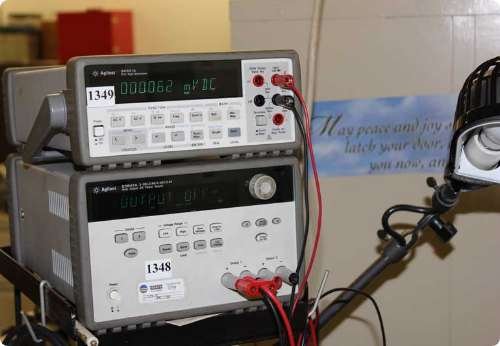
Accurate shock testing requires precise equipment and calibration. Common tools include:
- Shock Machines: Devices that deliver controlled mechanical pulses to the test subject.
- Drop Testers: Platforms that drop products from specified heights onto hard surfaces.
- Vibration Tables: Used for combined shock and vibration testing, simulating transportation and operational environments.
- Data Acquisition Systems: Sensors and software that record acceleration, displacement, and response during the test.
Proper calibration and maintenance of this equipment are essential to ensure that test results are valid and repeatable. The use of certified reference materials and traceable measurement systems is often required by ISO standards.

Integrating Shock Testing with Other ISO Methods
Shock testing is just one aspect of a comprehensive reliability assessment. Many organizations integrate it with other ISO-based procedures, such as climate testing electronics ISO requirements and temperature testing electronics ISO standards. This holistic approach ensures that products are robust not only against mechanical impacts but also against temperature extremes, humidity, dust, and water ingress.
By combining different test methods, manufacturers can identify interactions between environmental factors and mechanical stresses, leading to more reliable and durable products. This is especially important for devices intended for use in challenging environments, such as automotive electronics, industrial controls, and outdoor equipment.
Benefits of Adhering to International Standards
Following shock testing electronics ISO methods offers several advantages:
- Global Market Access: Products tested to international standards are more readily accepted in multiple regions.
- Reduced Liability: Documented compliance helps protect manufacturers from legal claims related to product failure.
- Enhanced Reputation: Demonstrating a commitment to quality and safety builds trust with customers and partners.
- Continuous Improvement: Standardized testing provides valuable data for refining designs and manufacturing processes.
For a deeper dive into how ISO standards shape electronics manufacturing, see this overview of ISO standards in electronics factories.
Challenges and Best Practices in Shock Testing
While standardized methods provide a solid foundation, practical challenges remain. Variability in materials, assembly techniques, and test setups can influence results. To maximize the value of shock testing:
- Ensure all equipment is properly calibrated and maintained.
- Document every aspect of the test, including environmental conditions and device orientation.
- Train personnel in correct test procedures and safety protocols.
- Review results not just for pass/fail, but for trends that may indicate emerging issues.
Incorporating feedback from testing into the design and manufacturing process leads to more robust products and fewer field failures.
Frequently Asked Questions
What is the main purpose of ISO shock testing for electronics?
The primary goal is to assess how well electronic devices can withstand sudden mechanical impacts, such as drops or collisions, without losing functionality or suffering internal damage. This ensures product reliability and safety in real-world use.
How do ISO shock testing methods differ from other mechanical tests?
Shock tests focus on short-duration, high-intensity impacts, while other mechanical tests like vibration or compression evaluate performance under different types of stress. Each method targets specific failure modes and complements the overall assessment of durability.
Are shock testing requirements the same for all electronic products?
No, requirements vary depending on the product type, intended use, and applicable industry regulations. Manufacturers should select the appropriate ISO standard and tailor test parameters to match the expected conditions their products will face.
Conclusion
Applying shock testing electronics ISO methods is a vital step in ensuring that electronic devices are robust, reliable, and ready for the demands of everyday use. By following internationally recognized procedures, manufacturers can identify weaknesses, improve product quality, and meet regulatory requirements. Integrating these tests with other environmental and mechanical assessments leads to safer, longer-lasting electronics that inspire confidence in users and stakeholders alike.
