


Meeting ISO documentation requirements electronics testing is a critical step for laboratories and manufacturers aiming to demonstrate product quality, safety, and regulatory adherence. Proper documentation not only supports compliance but also streamlines audits, improves traceability, and builds trust with clients and regulators. This article explores the essential records, procedures, and best practices for organizations seeking to align with international standards in the electronics sector.
Understanding the specific documentation obligations can be challenging, especially with evolving standards and industry expectations. For those seeking a comprehensive overview of accreditation steps, the ISO testing laboratory accreditation guide provides detailed insights into the process and requirements for electronics testing labs.
Why Documentation Matters in Electronics Testing
Accurate and thorough documentation forms the backbone of any quality assurance system in electronics testing. It ensures that processes are repeatable, results are traceable, and all activities can be verified during audits or investigations. Without proper records, even the most advanced testing procedures can fall short of international compliance standards.
Documentation also supports continuous improvement by highlighting process deviations, equipment issues, or training needs. For organizations seeking ISO certification, maintaining robust records is not optional—it is a foundational requirement.
Core ISO Standards Impacting Documentation in Electronics Testing
Several ISO standards are relevant to electronics testing, each with its own set of documentation expectations. The most prominent include:
- ISO 9001 – Focuses on quality management systems, requiring documented procedures, work instructions, and records of corrective actions. For more on this, see ISO 9001 electronics testing explained.
- ISO/IEC 17025 – Sets out requirements for the competence of testing and calibration laboratories, emphasizing method validation, equipment calibration records, and staff competency documentation. Explore ISO 17025 electronics testing lab requirements for a deeper dive.
- ISO 17020 – Relevant for inspection bodies, focusing on impartiality, confidentiality, and technical documentation.
Each standard has unique documentation needs, but they all share a focus on transparency, traceability, and consistency.
Essential Documents for Electronics Testing Compliance
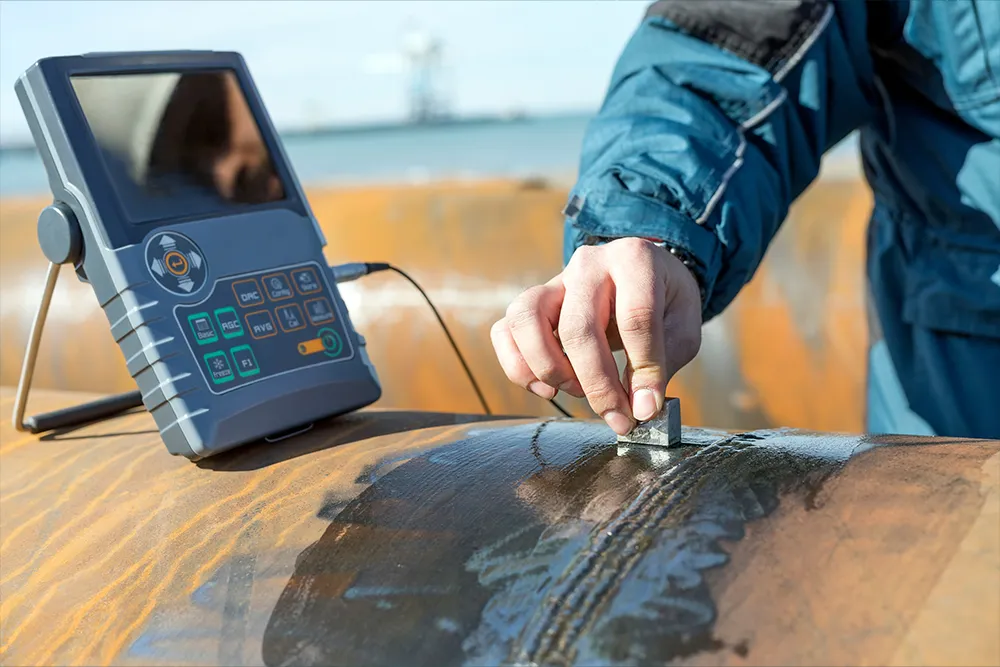
To fulfill ISO documentation requirements electronics testing labs and manufacturers must maintain a range of documents. These typically include:
- Quality Manual: Outlines the organization’s quality policy, objectives, and structure of the management system.
- Standard Operating Procedures (SOPs): Detailed instructions for all critical testing processes, equipment operation, and maintenance.
- Test Methods and Validation Records: Documentation of test procedures, validation studies, and any modifications to standard methods.
- Equipment Calibration and Maintenance Logs: Records of calibration, maintenance schedules, and any repairs performed on testing equipment.
- Staff Training and Competency Records: Evidence of qualifications, training sessions attended, and competency assessments for all personnel involved in testing.
- Sample Handling and Traceability Records: Chain of custody forms, sample identification, and storage documentation to ensure traceability from receipt to disposal.
- Test Reports and Certificates: Final documentation provided to clients, including results, uncertainties, and compliance statements.
- Nonconformance and Corrective Action Reports: Documentation of deviations, root cause analyses, and actions taken to resolve issues.
Maintaining these records not only supports compliance but also enhances operational efficiency and client confidence.
Best Practices for Managing ISO Documentation in Electronics Testing
Effective documentation management is more than just record-keeping. It involves establishing clear processes for document creation, review, approval, distribution, and retention. Consider the following best practices:
- Centralized Document Control: Use a secure, centralized system to manage all documents, ensuring only authorized personnel can make changes.
- Version Control: Track revisions and maintain a history of changes to prevent outdated procedures from being used.
- Regular Reviews: Schedule periodic reviews of all documents to ensure they remain current with industry standards and regulatory changes.
- Access Management: Define clear access levels for different roles to protect sensitive information and maintain data integrity.
- Training and Awareness: Ensure all staff understand the importance of documentation and are trained on relevant procedures.
By following these practices, organizations can reduce the risk of nonconformities and demonstrate a proactive approach to compliance.
Common Challenges and How to Overcome Them
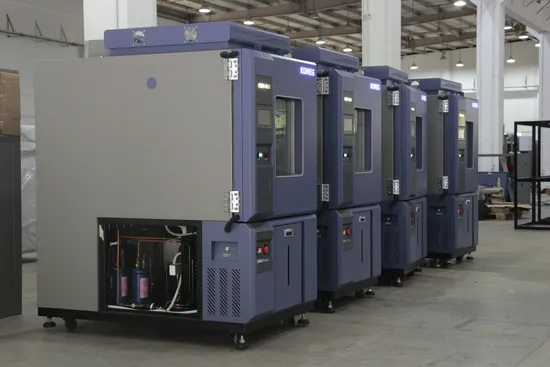
Many organizations face obstacles when implementing ISO documentation requirements electronics testing. Common challenges include:
- Document Overload: Excessive paperwork can overwhelm staff and lead to errors. Streamline documentation by focusing on what is required by the standard and your specific processes.
- Lack of Standardization: Inconsistent formats or terminology can cause confusion. Develop templates and glossaries to ensure uniformity across all documents.
- Poor Change Management: Failing to update documents after process changes can result in noncompliance. Assign responsibility for document updates and communicate changes promptly.
- Insufficient Training: Staff may not understand documentation protocols. Provide regular training and refreshers to maintain awareness and competence.
Addressing these issues early helps organizations maintain compliance and avoid costly audit findings.
Integrating Documentation with Accreditation and Certification
Proper documentation is a prerequisite for both accreditation and certification in electronics testing. Whether pursuing ISO/IEC 17025 accreditation or ISO 9001 certification, organizations must demonstrate that their documentation system is robust, up-to-date, and aligned with standard requirements.
For a step-by-step overview of the certification journey, the ISO certification process for electronics labs guide offers practical advice tailored to the electronics industry.
Additionally, understanding the broader implications of accreditation can help organizations appreciate the value of compliance. The article on ISO accredited electronics testing meaning explores how accreditation impacts credibility and market access.
Benefits of Meeting ISO Documentation Requirements in Electronics Testing
Adhering to ISO documentation requirements electronics testing brings several advantages:
- Audit Readiness: Well-maintained records simplify audits and reduce the risk of nonconformities.
- Improved Traceability: Comprehensive documentation enables quick identification and resolution of issues.
- Enhanced Customer Confidence: Clients are more likely to trust organizations that can demonstrate compliance with international standards.
- Operational Efficiency: Clear procedures and records support consistent, high-quality results.
- Regulatory Compliance: Meeting documentation requirements helps organizations satisfy legal and industry-specific obligations.
For more on the significance of certification and its impact on business, see this overview of the importance of ISO certification.
FAQ: ISO Documentation in Electronics Testing
What types of records are mandatory for ISO compliance in electronics testing?
Mandatory records typically include quality manuals, SOPs, calibration and maintenance logs, staff competency records, test reports, and nonconformance reports. The exact requirements depend on the specific ISO standard being followed.
How often should documentation be reviewed and updated?
All critical documents should be reviewed at least annually or whenever there are significant changes to processes, equipment, or regulations. Regular reviews help ensure ongoing compliance and relevance.
Can electronic records be used to meet ISO documentation requirements?
Yes, electronic records are widely accepted, provided they are secure, backed up, and meet the standard’s requirements for traceability, access control, and version management.
