

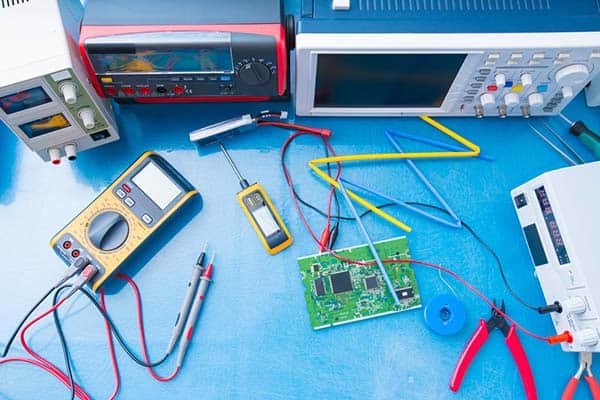
Ensuring that electronics testing processes meet international standards is essential for quality, safety, and market acceptance. Organizations in the electronics sector must adhere to various ISO standards to maintain credibility and minimize risk. A well-structured ISO compliance checklist electronics testing helps streamline audits, reduce errors, and ensure that all critical requirements are addressed. This guide provides a practical overview of essential checklist items, key standards, and best practices for electronics testing and audit preparation.
For professionals looking to deepen their understanding of quality management in this field, our resource on ISO quality management electronics testing offers detailed insights into implementing robust systems for compliance and continual improvement.
Understanding ISO Standards Relevant to Electronics Testing
Several ISO standards govern the testing and auditing of electronic products and systems. The most widely recognized include:
- ISO 9001 – Focuses on quality management systems and consistent product quality.
- ISO/IEC 17025 – Specifies requirements for the competence of testing and calibration laboratories.
- ISO 14001 – Addresses environmental management systems, relevant for labs handling hazardous materials.
- ISO/IEC 27001 – Pertains to information security, important for labs dealing with sensitive data.
Each of these standards has unique requirements, but all share a commitment to documented processes, traceability, and continual improvement. For a detailed breakdown of laboratory requirements, see our article on ISO 17025 electronics testing lab requirements.
Key Elements of an Effective ISO Compliance Checklist for Electronics Testing
A comprehensive checklist ensures that every aspect of compliance is addressed before, during, and after audits. The following elements are essential for electronics testing environments:
-
Documented Procedures and Records
- Maintain up-to-date standard operating procedures (SOPs) for all test methods.
- Ensure all records are accurate, legible, and securely stored.
- Regularly review and update documentation to reflect process changes.
-
Personnel Competence and Training
- Verify that staff qualifications meet ISO requirements.
- Document ongoing training and competency assessments.
- Assign responsibilities clearly for each testing activity.
-
Equipment Calibration and Maintenance
- List all test equipment and calibration schedules.
- Keep calibration certificates and maintenance logs accessible.
- Immediately address and document any equipment failures or deviations.
-
Environmental and Safety Controls
- Monitor lab conditions (temperature, humidity, cleanliness) as required by standards.
- Implement protocols for handling hazardous materials and waste.
- Ensure safety equipment is available and maintained.
-
Test Method Validation and Traceability
- Validate all test methods according to ISO/IEC 17025 or relevant standards.
- Maintain traceability of test results to national or international standards.
- Document any deviations and corrective actions taken.
-
Internal Audits and Management Review
- Schedule and conduct regular internal audits using the checklist.
- Document findings, corrective actions, and follow-up activities.
- Hold management reviews to assess system effectiveness and drive improvements.

Preparing for Electronics Testing Audits: Step-by-Step Guidance
Audit readiness is a continuous process. The following steps help organizations prepare effectively for both internal and external assessments:
-
Gap Analysis
- Compare current practices against ISO requirements using the checklist.
- Identify areas needing improvement and prioritize corrective actions.
-
Staff Engagement
- Involve team members in audit preparation and training.
- Encourage open communication about challenges and solutions.
-
Mock Audits
- Conduct trial audits to simulate real scenarios and uncover gaps.
- Review findings and update the checklist as needed.
-
Documentation Review
- Ensure all records, SOPs, and logs are complete and accessible.
- Check that corrective actions from previous audits are closed out.
-
Continuous Improvement
- Use audit results to refine processes and update the checklist regularly.
- Promote a culture of quality and compliance throughout the organization.
Common Pitfalls in ISO Compliance for Electronics Testing
Even with a robust ISO compliance checklist electronics testing, organizations may encounter challenges. Some frequent pitfalls include:
- Incomplete or outdated documentation.
- Uncalibrated or poorly maintained equipment.
- Insufficient staff training or unclear responsibilities.
- Lack of traceability in test results.
- Failure to address non-conformities promptly.
To avoid these issues, organizations should foster a proactive approach to compliance, regularly review their processes, and leverage resources such as our guide on ISO 9001 electronics testing explained for practical tips on maintaining quality standards.

Best Practices for Maintaining ISO Compliance in Electronics Testing
Long-term compliance requires more than just passing audits. Consider these best practices to ensure ongoing adherence to ISO standards:
- Regular Training: Keep staff updated on changes to ISO standards and testing methodologies.
- Automated Recordkeeping: Use digital systems to manage documentation, calibration schedules, and audit trails.
- Supplier and Subcontractor Oversight: Ensure external partners also meet ISO requirements.
- Continuous Monitoring: Track key performance indicators (KPIs) related to quality, safety, and compliance.
- Management Commitment: Leadership should actively support compliance initiatives and allocate resources for improvement.
For a comprehensive overview of the certification journey, see our article on the ISO certification process for electronics labs.
Industry Impact and Additional Resources
Adhering to ISO standards not only improves product quality but also enhances market access and customer trust. Accredited labs are often preferred by clients and regulatory bodies. For further reading on what accreditation means for your business, explore our post on ISO accredited electronics testing meaning.
For a broader perspective on certification and sector-specific requirements, the NQA electronics and telecommunications certification page provides detailed guidance on standards and audit expectations.
FAQ: ISO Compliance and Electronics Testing
What is the purpose of an ISO compliance checklist in electronics testing?
An ISO compliance checklist for electronics testing serves as a structured tool to ensure all relevant standards and requirements are systematically addressed. It helps organizations prepare for audits, maintain consistent quality, and identify areas for improvement.
How often should internal audits be conducted in electronics testing labs?
Internal audits should be scheduled at least annually, but more frequent reviews may be necessary depending on the complexity of operations and any recent changes in processes or standards. Regular audits help maintain ongoing compliance and readiness for external assessments.
What documentation is required for ISO compliance in electronics testing?
Required documentation typically includes standard operating procedures, equipment calibration records, staff training logs, test result traceability, and records of corrective actions. All documents must be kept current, accessible, and securely stored to meet ISO requirements.
