

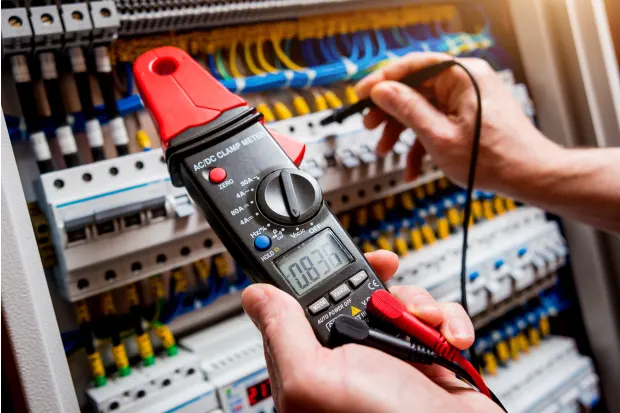
The electronics industry relies heavily on precise and reliable testing to ensure product safety, compliance, and performance. Laboratories that wish to demonstrate technical competence and deliver trustworthy results often pursue accreditation under ISO 17025 electronics testing lab requirements. This international standard sets out the general criteria for the competence of testing and calibration laboratories, providing a framework that enhances credibility and customer confidence.
Understanding the core specifications and expectations of ISO 17025 is essential for any electronics lab seeking accreditation or aiming to improve its quality management system. In this guide, we break down the main requirements, highlight best practices, and discuss how compliance can benefit both laboratories and their clients.
For additional insights into maintaining quality standards in electronics testing, you may want to explore ISO quality assurance in electronics testing, which covers best practices and practical approaches for labs.
Understanding the Scope of ISO 17025 for Electronics Laboratories
ISO 17025 applies to all organizations performing laboratory activities, regardless of the number of personnel or the extent of the scope of testing and calibration. For electronics testing labs, this means adhering to strict protocols for equipment, procedures, and documentation to ensure results are both accurate and reproducible.
The standard covers two main areas:
- Management requirements: Focus on the operation and effectiveness of the quality management system within the lab.
- Technical requirements: Address the competence of staff, testing methodologies, equipment calibration, and environmental conditions.
Key Components of ISO 17025 Electronics Testing Lab Requirements
To meet the ISO 17025 electronics testing lab requirements, laboratories must implement a comprehensive set of policies and procedures. Below are the essential components that every electronics testing facility should address:
1. Organizational Structure and Impartiality
Labs must define their organizational structure, roles, and responsibilities clearly. Independence and impartiality are critical, ensuring that personnel are free from undue pressures that could influence test results. The management must actively identify and manage risks to impartiality.
2. Personnel Competence and Training
Staff involved in testing and calibration must be qualified and competent. This involves:
- Documented education, training, and experience records
- Ongoing competency evaluations
- Regular training on new methods, equipment, and safety protocols

Competence is not limited to technical skills; it also includes understanding the principles of quality management and the specific requirements of ISO 17025.
3. Equipment and Calibration Control
All equipment used for testing and calibration must be suitable for its intended purpose, properly maintained, and regularly calibrated. Key practices include:
- Maintaining up-to-date calibration records
- Implementing a preventive maintenance schedule
- Ensuring traceability of measurements to national or international standards
Any equipment found to be out of calibration must be taken out of service until it is repaired and recalibrated.
4. Method Validation and Test Procedures
Labs must use validated methods and procedures for all tests and calibrations. This involves:
- Documenting standard operating procedures (SOPs)
- Validating non-standard or laboratory-developed methods
- Participating in proficiency testing and inter-laboratory comparisons
Validation ensures that methods are fit for purpose and produce reliable results.
5. Environmental and Facility Controls
The physical environment can significantly impact test outcomes. ISO 17025 requires labs to control environmental factors such as temperature, humidity, vibration, and electromagnetic interference, especially in sensitive electronics testing.
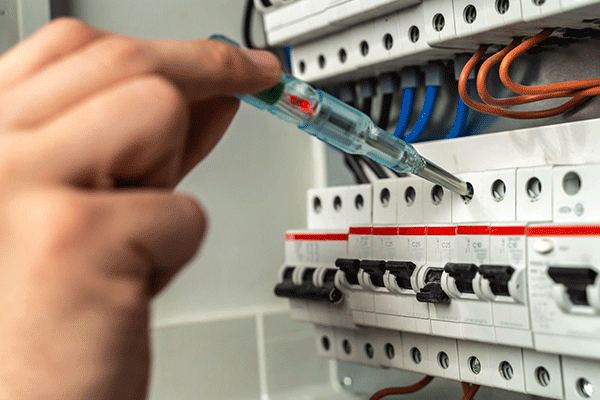
Facilities must be designed and maintained to minimize contamination and interference, ensuring consistent and valid results.
Documentation and Record-Keeping in Accredited Labs
Thorough documentation is a cornerstone of ISO 17025 compliance. Laboratories must maintain records of:
- Test and calibration results
- Equipment calibration and maintenance
- Personnel training and qualifications
- Quality control activities
Records must be accurate, legible, and readily retrievable. This traceability supports transparency and enables effective audits.
Quality Assurance and Continuous Improvement
A robust quality management system is essential for ongoing compliance. Labs are expected to:
- Conduct regular internal audits
- Implement corrective and preventive actions
- Solicit and act on customer feedback
- Review and update procedures as needed
For a broader perspective on the ISO compliance requirements for electronics, you can review related articles that detail the compliance landscape and its impact on laboratory operations.
Benefits of Meeting ISO 17025 Standards in Electronics Testing
Achieving accreditation delivers several advantages:
- Enhanced credibility: Demonstrates technical competence to clients and regulatory bodies
- Global recognition: Results are accepted internationally, facilitating trade and cooperation
- Improved efficiency: Standardized procedures reduce errors and rework
- Risk reduction: Systematic controls minimize the chance of faulty results
- Customer confidence: Clients trust labs that operate under recognized standards
For more on how certification can impact your business, see the benefits of ISO certified electronics testing for businesses.
Common Challenges in Achieving and Maintaining Compliance
While the benefits are clear, laboratories often face challenges such as:
- Keeping up with evolving technology and standards
- Ensuring all staff remain trained and competent
- Maintaining comprehensive and accurate records
- Managing costs associated with equipment calibration and facility upgrades
Overcoming these challenges requires commitment from leadership, ongoing investment in training and infrastructure, and a culture of continuous improvement.
Industry Trends and the Future of Electronics Testing Accreditation
As electronics become more complex and regulations tighten, the role of accredited labs is only growing in importance. Emerging trends include:
- Integration of digital tools for data management and traceability
- Greater emphasis on cybersecurity and data integrity
- Expansion of remote and automated testing capabilities
For a comprehensive overview of standards affecting the sector, the ISO testing standards overview electronics provides valuable context.
Additionally, those interested in certification processes specific to the industry can refer to this guide to ISO certification for the electronics industry.
FAQ: ISO 17025 in Electronics Testing Laboratories
What is the main purpose of ISO 17025 in electronics testing labs?
The standard ensures that laboratories are technically competent and able to produce valid and reliable results. It sets requirements for quality management, technical procedures, and impartiality, all of which are crucial for electronics testing.
How often should equipment be calibrated in an accredited lab?
Calibration frequency depends on the type of equipment, manufacturer recommendations, usage patterns, and the criticality of measurements. Labs must establish and document a calibration schedule to ensure ongoing accuracy and compliance.
Can small laboratories achieve ISO 17025 accreditation?
Yes, the standard is applicable to labs of all sizes. What matters is the implementation of effective quality and technical systems, not the scale of operations. Small labs may need to tailor their procedures but must still meet all core requirements.
