

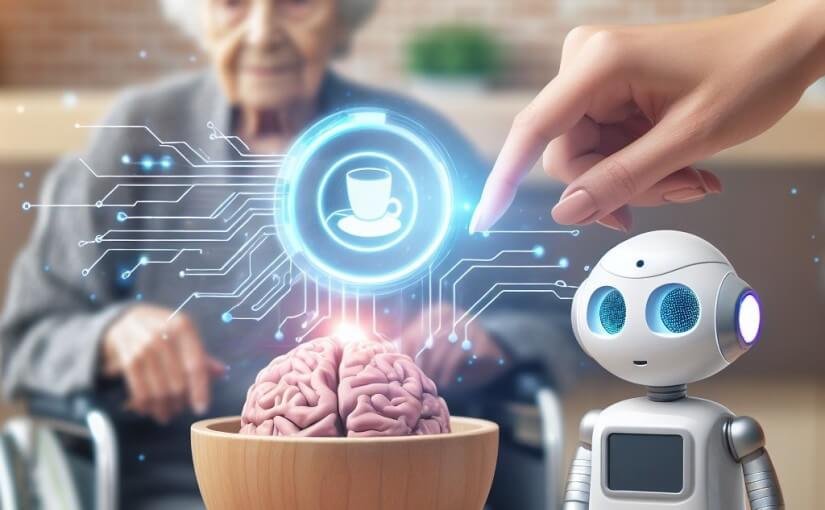
As technology evolves, AI smart home integration seniors solutions are transforming the way older adults live independently and safely. These intelligent systems offer convenience, security, and peace of mind for both seniors and their families. By automating daily routines and providing real-time monitoring, smart home devices powered by artificial intelligence can support aging in place, reduce risks, and enhance quality of life.
Understanding how these technologies work, their benefits, and how to choose the right setup is essential for anyone considering smart home upgrades for elderly loved ones. This article explores the key aspects of integrating AI-driven devices into homes for seniors, offering practical advice and highlighting important considerations.
For those interested in the broader context of connected devices, the electronic product design system integration guide provides valuable insights into how various technologies can work together seamlessly.
Why AI-Powered Smart Homes Matter for Older Adults
Integrating artificial intelligence into home environments can make a significant difference for seniors. These systems are designed to adapt to user needs, learn routines, and provide proactive assistance. The main advantages include:
- Increased Safety: AI-enabled sensors and cameras can detect falls, unusual activity, or emergencies, sending alerts to caregivers or family members.
- Enhanced Independence: Voice assistants and automated routines allow seniors to control lights, thermostats, and appliances without physical effort.
- Health Monitoring: Smart devices can track medication schedules, vital signs, and daily habits, supporting better health outcomes.
- Peace of Mind: Family members can remotely check in, receive notifications, and ensure their loved ones are safe and comfortable.
By leveraging AI smart home integration seniors solutions, families can help older adults remain in their own homes longer while reducing the risks associated with living alone.
Key Features of Smart Home Systems for Seniors
When considering smart home upgrades for elderly residents, it’s important to focus on features that address their unique needs. The following components are especially valuable:
- Voice Control: Devices like smart speakers and displays allow hands-free operation, making it easier for those with mobility or vision challenges.
- Automated Lighting: Motion-activated or scheduled lighting reduces fall risks and provides comfort during nighttime hours.
- Remote Monitoring: Cameras and sensors provide real-time updates and alerts to caregivers, ensuring prompt response to emergencies.
- Medication Reminders: AI-powered apps and devices can remind users to take medications on time, reducing the risk of missed doses.
- Environmental Controls: Smart thermostats and air quality monitors help maintain a comfortable and healthy living space.

Choosing the Right AI Home Devices for Senior Living
Not all smart home products are equally suitable for older adults. When selecting devices, consider the following:
- Ease of Use: Look for intuitive interfaces, clear instructions, and devices that require minimal setup.
- Compatibility: Ensure that devices can work together within a single ecosystem to avoid confusion and maximize automation.
- Privacy and Security: Choose products with robust data protection, secure connections, and clear privacy policies.
- Support and Updates: Opt for brands that offer reliable customer support and regular software updates to maintain performance and security.
For a deeper understanding of how technology can be integrated safely and effectively, resources like the electronic product design safety standards comparison are helpful for evaluating device reliability and safety.
How AI Enhances Daily Life for Seniors
Artificial intelligence brings a new level of personalization and responsiveness to smart homes. Here’s how these systems can make everyday living easier and safer for seniors:
- Routine Automation: AI learns daily habits and can automate tasks like adjusting lighting, locking doors, or setting reminders.
- Emergency Response: In case of a fall or unusual inactivity, the system can automatically alert emergency contacts or services.
- Social Connection: Voice assistants can help seniors make calls, send messages, or connect with family through video chats.
- Health Insights: Wearables and smart health devices can track activity, sleep, and vital signs, sharing data with caregivers or healthcare providers.
These benefits make AI smart home integration seniors solutions a valuable investment for families seeking to support aging loved ones at home.

Addressing Challenges and Concerns
While the advantages of smart home technology are clear, it’s important to address potential challenges:
- Learning Curve: Some seniors may need time and support to become comfortable with new devices. Providing training and simple guides can help ease the transition.
- Cost: High-quality AI-enabled devices can be an investment. Prioritize essential features and consider starting with a few key products before expanding the system.
- Privacy: Seniors and their families should understand how data is collected and used. Choose products with transparent privacy practices and the ability to control data sharing.
To further explore how artificial intelligence is shaping care for older adults, the article on AI in elderly care offers a comprehensive look at current trends and future possibilities.
Integrating AI Smart Home Solutions: Practical Steps
Implementing smart home technology for seniors doesn’t have to be overwhelming. Here’s a step-by-step approach:
- Assess Needs: Identify specific challenges or risks, such as mobility issues, memory concerns, or health monitoring requirements.
- Start Small: Begin with one or two devices, like a smart speaker or camera, and gradually add more as comfort and familiarity grow.
- Choose a Unified Platform: Select a central hub or ecosystem (such as Google Home, Amazon Alexa, or Apple HomeKit) to ensure compatibility.
- Involve Family and Caregivers: Set up shared access for trusted individuals to monitor and assist remotely.
- Review and Adjust: Regularly check device settings, update software, and adjust routines as needs change.
For those interested in the technical side of device reliability, the electronic product design reliability engineering basics guide provides helpful background on what to look for in dependable technology.
FAQ: Common Questions About AI and Smart Homes for Seniors
What are the most important smart home features for older adults?
The most valuable features include voice control, fall detection, remote monitoring, medication reminders, and automated lighting. These address safety, convenience, and health needs specific to seniors.
Is AI-powered home technology difficult for seniors to use?
Many modern devices are designed with simplicity in mind, offering voice commands and intuitive interfaces. Family members or caregivers can assist with setup and provide ongoing support to ensure a smooth experience.
How can families ensure privacy and security with smart home devices?
Choose reputable brands with strong privacy policies, enable security features like two-factor authentication, and regularly update device software. It’s also important to review and adjust privacy settings to control data sharing.
Conclusion
Integrating AI-driven smart home technology into the lives of seniors offers real benefits—greater independence, improved safety, and enhanced well-being. By carefully selecting the right devices, providing support during setup, and staying informed about privacy and security, families can create a supportive environment that empowers older adults to live confidently at home.
