

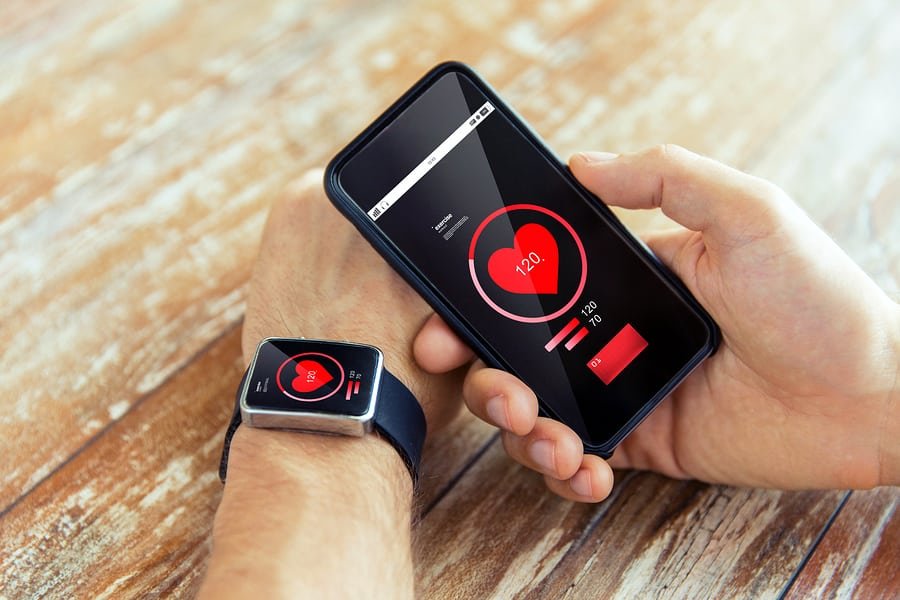
Healthcare wearables explained—these innovative devices have become a central part of modern health management. From tracking daily activity to monitoring chronic conditions, wearable technology is transforming how individuals and professionals approach well-being. As the market for these devices grows, understanding their uses, advantages, and the technology behind them is crucial for anyone interested in personal health or the future of medicine.
Wearable health devices range from simple fitness trackers to advanced biosensors capable of real-time data collection. They offer users and clinicians actionable insights, supporting proactive care and better outcomes. For those interested in the integration of electronics in medical devices, the electronic product design system integration guide provides a deeper look at how these systems come together.
What Are Healthcare Wearables?
Wearable health technology refers to electronic devices worn on or close to the body that collect, analyze, and transmit health-related data. These devices include smartwatches, fitness bands, biosensors, and even smart clothing. Their primary function is to monitor physiological metrics such as heart rate, sleep patterns, blood oxygen levels, and physical activity.
The evolution of wearables has been rapid. Early devices focused on basic step counting and calorie tracking. Today, many models offer advanced features like ECG monitoring, blood pressure measurement, and even fall detection. Some can alert users or caregivers to potential health issues in real time, making them valuable tools for both prevention and management.
Key Uses of Wearable Technology in Healthcare
The applications of wearable health devices are diverse and expanding. Here are some of the most impactful ways these tools are used:
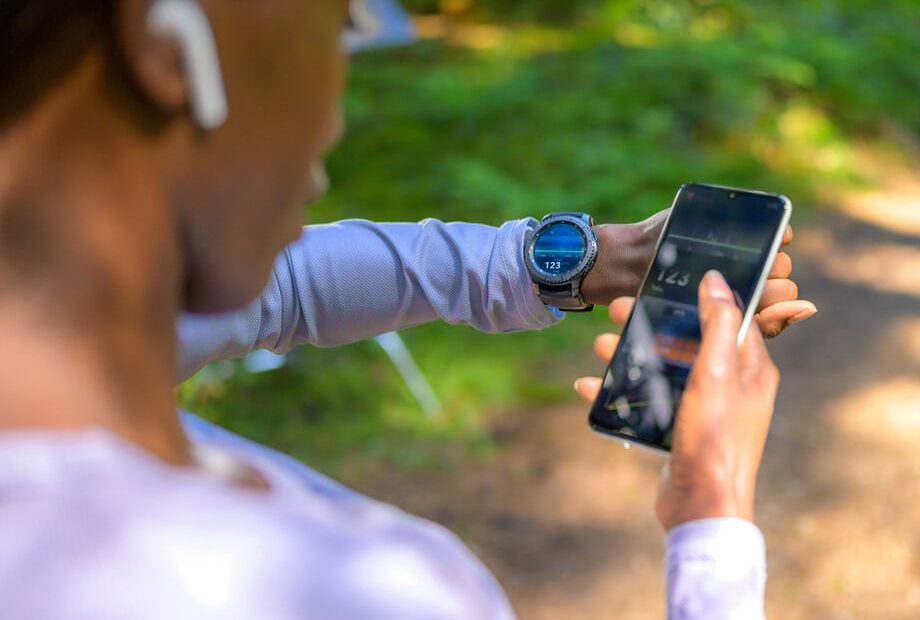
- Fitness and Activity Tracking: Devices monitor steps, distance, calories burned, and active minutes, encouraging users to stay active and set achievable goals.
- Chronic Disease Management: Wearables can help individuals with conditions like diabetes, hypertension, or heart disease by tracking vital signs and alerting users to irregularities.
- Remote Patient Monitoring: Healthcare providers can receive real-time data from patients, allowing for timely interventions and reducing the need for frequent in-person visits.
- Sleep Analysis: Many devices analyze sleep patterns, helping users identify issues such as insomnia or sleep apnea and make lifestyle adjustments.
- Emergency Response: Some wearables detect falls or abnormal heart rhythms and can automatically notify emergency contacts or medical professionals.
- Rehabilitation and Recovery: Patients recovering from surgery or injury can use wearables to track progress and adhere to prescribed exercise regimens.
Benefits of Wearable Health Devices
The advantages of adopting wearable technology in healthcare are significant for both individuals and providers. Here are some of the main benefits:
- Continuous Monitoring: Unlike traditional checkups, wearables provide ongoing data, offering a more complete picture of health trends over time.
- Early Detection: By identifying anomalies early, these devices can prompt users to seek medical attention before issues become severe.
- Empowerment and Engagement: Users gain greater control over their health, fostering motivation to maintain healthy habits and adhere to treatment plans.
- Personalized Care: Data collected can be used to tailor interventions and recommendations to each individual’s unique needs.
- Cost Savings: Remote monitoring and early intervention can reduce hospital admissions and lower overall healthcare costs.
Challenges and Considerations for Wearable Health Tech
While the promise of wearable health technology is substantial, there are important challenges to consider:
- Data Privacy and Security: Sensitive health data must be protected from breaches and unauthorized access.
- Accuracy and Reliability: Not all devices are created equal; some may provide less accurate readings, potentially leading to false alarms or missed warnings.
- Integration with Healthcare Systems: For maximum benefit, data from wearables should be compatible with electronic health records and accessible to clinicians.
- User Adoption and Adherence: Long-term use depends on device comfort, ease of use, and perceived value.
- Regulatory Oversight: As medical-grade wearables become more common, ensuring compliance with health regulations is essential.
For those interested in the broader context of technology in healthcare, the wearable technology overview for aged care offers additional insights into how these devices are being used in specific populations.
How Wearables Are Shaping the Future of Healthcare
The integration of wearable technology is reshaping the healthcare landscape. As devices become more sophisticated, they are expected to play a larger role in preventive care, chronic disease management, and even clinical research. Real-time data collection enables a shift from reactive to proactive care, supporting earlier interventions and improved outcomes.
Healthcare professionals are increasingly leveraging wearable data to make informed decisions and personalize treatment plans. In the future, we can expect to see greater interoperability between devices and health records, as well as the use of artificial intelligence to analyze large datasets for population health insights.
For those interested in the technical aspects of developing and testing electronic medical devices, resources like the electronic product design performance testing guide can provide valuable information on ensuring device reliability and safety.
Choosing the Right Wearable for Your Needs
Selecting the best wearable health device depends on individual goals, health conditions, and lifestyle. Here are some tips to help guide your decision:
- Identify Your Priorities: Are you looking to track fitness, manage a chronic condition, or monitor specific metrics like heart rate or sleep?
- Check Compatibility: Ensure the device works with your smartphone or health apps and can share data with your healthcare provider if needed.
- Evaluate Comfort and Design: Choose a device that fits well and suits your daily routine, as comfort is key for long-term use.
- Review Data Accuracy: Look for devices with proven accuracy and positive reviews from other users.
- Consider Battery Life: Longer battery life means less frequent charging and more consistent monitoring.
If you’re involved in designing products for global markets, the electronic product design for global markets guide explores considerations for compliance and user needs across different regions.
FAQ: Common Questions About Wearable Health Devices
What types of health data can wearables track?
Most wearable devices can track steps, heart rate, calories burned, and sleep patterns. Advanced models may monitor blood oxygen levels, ECG, blood pressure, and even detect falls or irregular heart rhythms.
Are wearable health devices accurate?
Accuracy varies by device and manufacturer. While many wearables provide reliable data for general wellness, medical-grade devices undergo more rigorous testing. It’s important to review product specifications and consult with healthcare professionals for clinical use.
How is my health data protected when using wearables?
Manufacturers typically use encryption and other security measures to protect user data. However, users should review privacy policies and ensure devices are updated regularly to minimize risks. Sharing data with healthcare providers should be done through secure, approved channels.
Can wearables replace regular doctor visits?
While wearable technology provides valuable insights and supports self-management, it is not a substitute for professional medical advice or regular checkups. These devices are best used as complementary tools alongside traditional healthcare.
Healthcare wearables are poised to play an increasingly important role in personal and public health. By understanding their uses, benefits, and limitations, individuals and healthcare professionals can make informed decisions about integrating these tools into daily life and clinical practice.
