

Wearable technology has rapidly evolved from simple step counters to sophisticated devices that monitor health, enhance productivity, and even augment reality. These innovations are transforming how people interact with digital information and their surroundings. As the range of smart wearables expands, understanding the different categories and their real-world applications becomes increasingly important for consumers, businesses, and developers alike.
From fitness trackers and smartwatches to advanced medical sensors and connected clothing, the landscape of wearable devices is diverse and constantly evolving. This article explores the main types of wearable technology, providing clear examples and insights into their uses, benefits, and future trends. For those interested in the technical side of product integration, the electronic product design system integration guide offers a deeper look at how such devices are developed and brought to market.
Understanding Wearable Devices and Their Categories
Wearable devices are electronic gadgets designed to be worn on the body, either as accessories or integrated into clothing. Their primary purpose is to collect data, deliver notifications, or enhance the user’s experience through connectivity and automation. The definition of wearable technology encompasses a broad array of products, each tailored to specific needs and industries.
Below, we break down the most common categories of wearables, highlighting their features and practical examples.
Smartwatches: The Most Recognizable Wearable
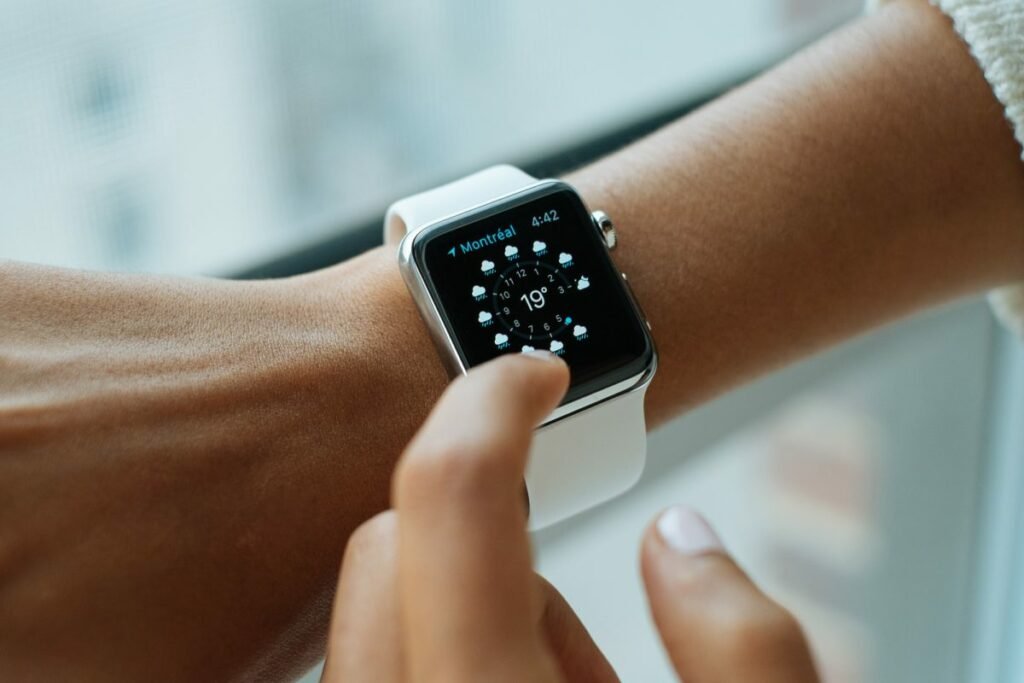
Smartwatches are among the most popular forms of wearable technology. These wrist-worn devices go beyond telling time—they sync with smartphones to display notifications, track physical activity, monitor heart rate, and even support contactless payments.
- Apple Watch: Offers ECG monitoring, fitness tracking, and integration with iOS devices.
- Samsung Galaxy Watch: Features sleep tracking, GPS, and compatibility with Android phones.
- Garmin Forerunner: Focuses on advanced fitness metrics for runners and athletes.
Smartwatches are ideal for users who want a blend of convenience, health monitoring, and connectivity on their wrist.
Fitness Trackers and Activity Bands
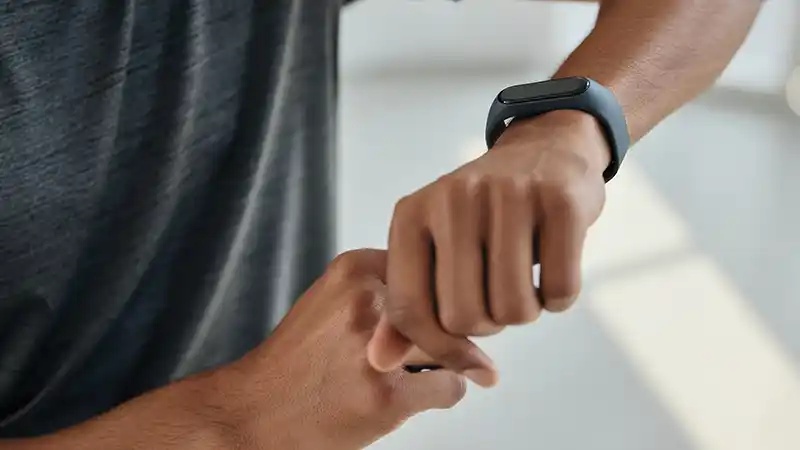
Fitness trackers are designed primarily to monitor physical activity, sleep patterns, and vital signs. While they share some functions with smartwatches, they typically have a more streamlined interface and longer battery life.
- Fitbit Charge: Tracks steps, heart rate, and sleep quality.
- Xiaomi Mi Band: Offers affordable activity tracking and long battery life.
- WHOOP Strap: Focuses on recovery and strain metrics for athletes.
These devices are favored by health-conscious individuals and those looking to improve their fitness habits without the distractions of a full smartwatch.
Health and Medical Wearables
The healthcare sector has seen significant advancements through medical-grade wearable technology. These devices support continuous health monitoring, early detection of medical conditions, and even remote patient care.
- Continuous Glucose Monitors (CGMs): Devices like the Dexcom G6 allow diabetics to track blood sugar levels in real time.
- Wearable ECG Monitors: Products such as the KardiaMobile provide on-demand heart rhythm analysis.
- Smart Hearing Aids: Modern hearing aids can stream audio, adjust settings automatically, and connect to smartphones.
Medical wearables are increasingly used in preventive care, chronic disease management, and telemedicine, making healthcare more accessible and data-driven.
Smart Clothing and E-Textiles
Smart clothing integrates sensors and electronics directly into fabrics, enabling the garment to collect biometric data, track movement, or even change appearance based on environmental factors.
- Hexoskin Smart Shirts: Monitor heart rate, breathing, and activity during workouts.
- Nadi X Yoga Pants: Use gentle vibrations to guide yoga poses and improve form.
- Levi’s Jacquard Jacket: Developed with Google, this jacket allows users to control music and navigation with simple gestures.
These innovations are popular in sports, rehabilitation, and fashion, offering a seamless blend of technology and everyday wear.
Augmented Reality Glasses and Head-Mounted Displays
Another significant category in the types of wearable technology landscape is augmented reality (AR) glasses and head-mounted displays. These devices overlay digital information onto the user’s field of vision or immerse them in virtual environments.
- Google Glass Enterprise Edition: Used in industries for hands-free access to instructions and real-time collaboration.
- Microsoft HoloLens: Supports mixed reality applications in design, healthcare, and education.
- Vuzix Blade: Offers heads-up display for notifications, navigation, and enterprise use.
AR wearables are transforming fields like manufacturing, logistics, and training by providing contextual information and enhancing productivity.
Specialized Wearables: From Safety to Entertainment
Beyond mainstream categories, there are specialized wearables designed for safety, productivity, and entertainment. These include:
- Wearable Cameras: Devices like GoPro and body cams for capturing action or ensuring security.
- Smart Rings: Oura Ring tracks sleep, activity, and readiness with a discreet form factor.
- Exoskeletons: Used in industrial settings to reduce worker fatigue and prevent injuries.
- Location Trackers: Wearables for children, pets, or elderly individuals to ensure safety and peace of mind.
These products demonstrate the versatility and expanding reach of wearable devices across different aspects of daily life and work.
Key Benefits and Challenges of Wearable Technology
Wearable devices offer several advantages, including:
- Real-time health monitoring and early detection of potential issues
- Convenient access to notifications and information
- Enhanced productivity and safety in professional environments
- Personalized insights for fitness, wellness, and lifestyle improvement
However, there are also challenges to consider:
- Privacy and data security concerns
- Battery life limitations
- Device compatibility and integration issues
- Potential for information overload or distraction
For organizations developing or deploying wearables, understanding these factors is crucial. Resources like the electronic product design documentation workflow can help streamline the process from concept to launch.
Emerging Trends in Wearable Devices
The future of wearable technology is shaped by ongoing innovation and integration with emerging technologies. Some notable trends include:
- Advanced biosensors for non-invasive health monitoring
- Integration with artificial intelligence for personalized recommendations
- Expansion of smart textiles and flexible electronics
- Greater focus on sustainability and eco-friendly materials
- Enhanced interoperability with smart home and IoT ecosystems
As these trends develop, wearables are expected to become even more embedded in daily routines and professional workflows.
FAQ: Common Questions About Wearable Technology
What are the main types of wearable technology available today?
The most common categories include smartwatches, fitness trackers, medical wearables, smart clothing, augmented reality glasses, and specialized devices like smart rings and wearable cameras. Each serves different purposes, from health monitoring to productivity and entertainment.
How do wearable devices collect and use personal data?
Most wearables use built-in sensors to gather data such as heart rate, steps, sleep patterns, or location. This information is typically processed on the device or synced to a smartphone app, where users can view insights or share data with healthcare providers. Privacy policies and data encryption are important considerations when choosing a wearable.
Are there any risks or downsides to using wearable technology?
While wearables offer many benefits, users should be aware of potential risks such as data privacy concerns, device security vulnerabilities, and the possibility of becoming overly reliant on technology for health or productivity. Choosing reputable brands and understanding device settings can help mitigate these risks.
Conclusion
The world of wearable technology is dynamic and diverse, offering solutions for health, fitness, work, and entertainment. As devices become more sophisticated and integrated into daily life, understanding the different types and their applications is essential for making informed choices. Whether you’re interested in tracking your health, boosting productivity, or exploring the latest innovations, the right wearable can make a significant impact. For further reading on product safety and global standards, explore the electronic product design safety standards comparison and electronic product design for global markets resources.
