

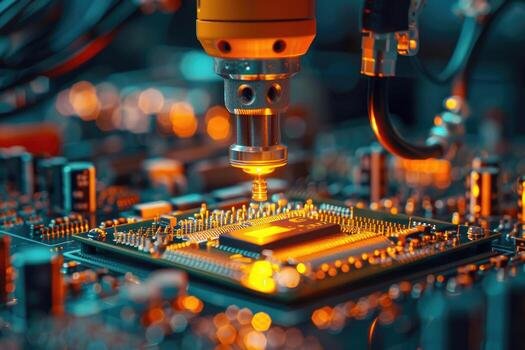
Printed circuit boards (PCBs) are the backbone of modern electronics, providing the foundation for everything from smartphones to industrial machinery. While much attention is given to layout, component selection, and signal integrity, the surface finish applied to a PCB is a critical factor that directly impacts performance, reliability, and manufacturability. Understanding why surface finish matters is essential for engineers, designers, and anyone involved in electronic product development.
Surface finish refers to the coating applied to the exposed copper pads on a PCB. This layer serves multiple purposes: it protects copper from oxidation, ensures solderability, and can influence the board’s electrical and mechanical properties. Selecting the right finish is not just a technical detail—it’s a strategic decision that can affect the entire lifecycle of an electronic product.
For those looking to optimize their electronic product development process, resources like the electronic product design system integration guide provide valuable insights into how each design choice, including surface finish, fits into the bigger picture.
Key Functions of PCB Surface Finishes
The role of a PCB’s surface finish extends far beyond simple protection. Here are the main reasons why this aspect is so important:
- Prevents Copper Oxidation: Bare copper oxidizes rapidly, which can hinder soldering and lead to long-term reliability issues. A finish acts as a barrier, preserving the copper’s integrity.
- Enables Reliable Soldering: The finish ensures that solder adheres properly during assembly, reducing the risk of cold joints or open circuits.
- Influences Electrical Performance: Certain finishes can affect contact resistance, which is especially relevant for high-frequency or high-speed circuits.
- Supports Component Placement: Some surface coatings are better suited for fine-pitch components or complex assembly processes.

Common Types of Surface Finishes and Their Impact
There are several types of PCB surface finishes, each with its own advantages and limitations. The choice depends on the application, budget, and manufacturing requirements. Here’s a look at the most widely used options:
- HASL (Hot Air Solder Leveling): One of the most common finishes, HASL involves coating the board with molten solder and removing excess with hot air. It’s cost-effective and provides good solderability, but may not be ideal for fine-pitch components due to uneven surfaces.
- ENIG (Electroless Nickel Immersion Gold): This finish offers a flat, smooth surface and excellent corrosion resistance. It’s preferred for high-reliability and high-density designs but comes at a higher cost.
- OSP (Organic Solderability Preservative): OSP is a water-based organic coating that preserves copper’s solderability. It’s environmentally friendly and suitable for lead-free assembly but has a limited shelf life.
- Immersion Silver and Tin: These finishes provide good solderability and are lead-free, making them popular for RoHS-compliant products. However, they may be susceptible to tarnishing or whisker growth if not handled properly.
Each finish brings unique trade-offs in terms of cost, process compatibility, and long-term reliability. For example, ENIG is often chosen for its flatness and durability in high-end applications, while HASL remains popular for cost-sensitive projects.
Why Surface Finish Matters for Reliability and Performance
The choice of surface coating can make or break a product’s reliability. Here’s how:
- Long-Term Solderability: A poor finish can lead to soldering defects during assembly or rework, increasing the risk of field failures.
- Corrosion Resistance: Some finishes provide better protection against environmental factors such as humidity, which is crucial for products used in harsh conditions.
- Electrical Contact Quality: For connectors, switches, or test points, the finish can affect contact resistance and signal integrity.
- Compatibility with Lead-Free Processes: As regulations push for lead-free manufacturing, not all finishes perform equally well with higher-temperature soldering processes.
In high-reliability sectors such as automotive, aerospace, or medical devices, the surface finish is often specified in detail to ensure consistent performance throughout the product’s life.
Manufacturing Considerations and Cost Implications
Surface finish selection is not just a technical decision—it also affects manufacturing efficiency and cost. Here’s what to consider:
- Assembly Yield: Some finishes, like ENIG, offer better yield for fine-pitch and BGA components due to their flatness.
- Storage and Shelf Life: OSP and immersion tin have shorter shelf lives compared to ENIG or HASL, which can impact inventory management.
- Cost: While HASL is inexpensive, advanced finishes like ENIG or immersion silver add to the overall PCB cost but may reduce rework and improve reliability.
- Environmental Impact: Lead-free and environmentally friendly finishes are increasingly important for compliance with global regulations.
Balancing these factors is essential for optimizing both product quality and production costs. For more detailed insights into how testing and quality control intersect with surface finish choices, refer to this overview of test methods for electronic components.
Surface Finish Selection in the Product Design Workflow
Integrating surface finish decisions early in the design process helps prevent costly redesigns and ensures compatibility with assembly processes. Collaboration between designers, manufacturers, and quality engineers is key. For a broader perspective on how documentation and workflow influence these decisions, the electronic product design documentation workflow is a valuable resource.
Surface finish should be specified in the PCB fabrication notes, and its implications for assembly, testing, and long-term use should be reviewed during design reviews. This proactive approach minimizes surprises during prototyping and production.
Frequently Asked Questions
What is the main purpose of a PCB surface finish?
The primary purpose is to protect the exposed copper pads from oxidation and to ensure reliable soldering during assembly. It also influences electrical performance and the board’s overall durability.
How do I choose the right surface finish for my application?
Consider factors such as the type of components used, assembly process, environmental conditions, cost constraints, and regulatory requirements. For high-density or high-reliability applications, finishes like ENIG are often preferred, while HASL may be suitable for less demanding uses.
Can the wrong surface finish cause product failures?
Yes, an inappropriate finish can lead to soldering defects, corrosion, poor electrical contacts, or incompatibility with lead-free processes. This can result in field failures or reduced product lifespan.
Conclusion
Choosing the right PCB surface finish is a crucial step in electronic product development. It affects not only manufacturability and cost but also the long-term reliability and performance of the final product. By understanding the functions, types, and implications of different finishes, designers and engineers can make informed decisions that support both technical and business goals. For those working on global products, the electronic product design for global markets guide offers further context on how surface finish choices fit into international standards and expectations.
