

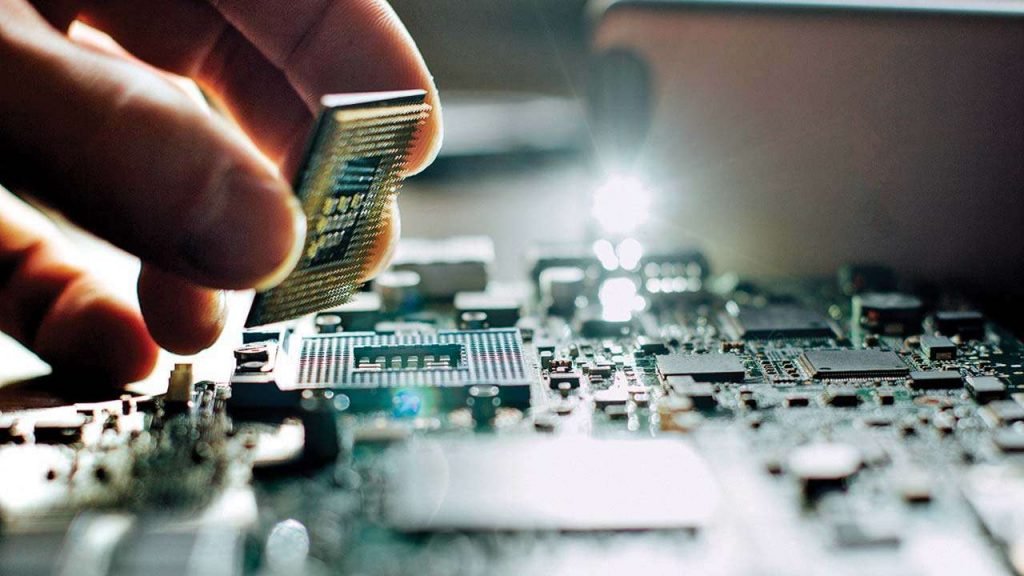
A hot air rework station is an essential tool for electronics repair, prototyping, and manufacturing. It enables precise removal, replacement, and soldering of surface-mount components on printed circuit boards (PCBs). Whether you are a hobbyist, technician, or professional engineer, understanding the fundamentals of these stations can significantly improve your ability to work with modern electronics.
This guide covers the core principles of using a hot air rework station, including its main components, practical applications, and safety tips. If you are involved in electronics product development, you may also benefit from learning about electronic product design safety standards comparison to ensure your work meets industry requirements.
Understanding the Key Functions of a Hot Air Rework Station
At its core, a hot air rework station uses a controlled stream of heated air to melt solder on electronic components. This allows for the removal or installation of delicate parts without direct contact from a soldering iron tip. The station typically consists of a main unit with temperature and airflow controls, a heat gun or wand, and a set of nozzles for directing the air precisely.
These stations are especially useful for working with surface-mount devices (SMDs), which are too small and densely packed for traditional soldering tools. By mastering the basics of hot air rework, technicians can efficiently repair, modify, or assemble complex circuit boards.
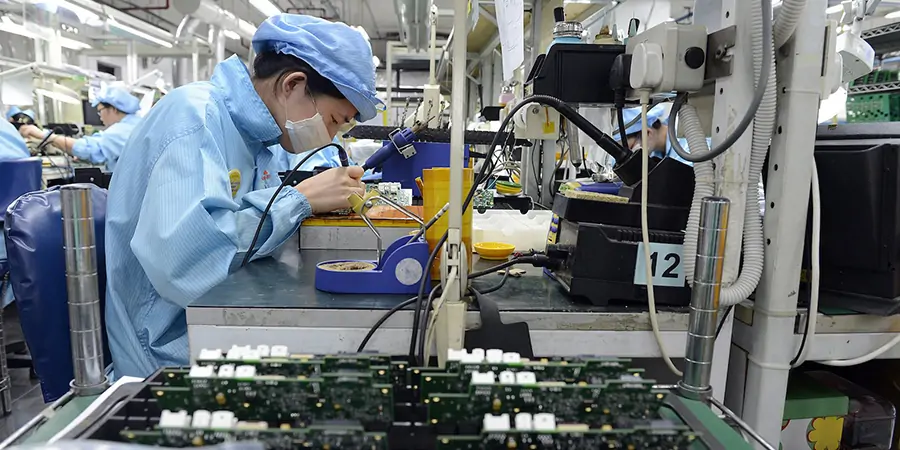
Components and Controls: What Makes Up a Hot Air Rework System?
A standard hot air rework station includes several important components:
- Main control unit: Houses the electronics, display, and adjustment knobs for temperature and airflow.
- Hot air gun or wand: Delivers the heated air to the work area. Some models have built-in sensors for feedback and safety.
- Nozzles: Interchangeable tips that focus the air stream for different component sizes and shapes.
- Holder or stand: Provides a safe place to rest the hot air gun when not in use.
Temperature control is crucial. Most stations allow you to set the heat from around 100°C to 500°C, depending on the requirements of the solder and components. Airflow adjustment is equally important, as too much force can dislodge parts or blow solder away, while too little may not heat the area effectively.
Practical Applications: Where Hot Air Rework Stations Excel
The primary use of these stations is in surface-mount technology (SMT) repair and assembly. Common tasks include:
- Removing and replacing SMD chips, resistors, capacitors, and connectors
- Reflowing solder joints to fix cold or cracked connections
- Desoldering multi-lead components such as QFPs, BGAs, and SOICs
- Repairing PCB pads and traces damaged by overheating or mechanical stress
In manufacturing settings, hot air rework is also used for prototyping and quality control. For a broader look at how electronics are made, see this comprehensive overview of the electronics manufacturing process.

Getting Started: Setup and Operation Tips
To use a hot air rework station effectively, start by selecting the right nozzle for your component. Attach the nozzle to the wand, then power on the station. Set the temperature and airflow according to the solder type and component size. For most leaded solders, a temperature of 250–300°C is sufficient, while lead-free solders may require higher settings.
Hold the wand a few centimeters above the target component and move it in small circles to distribute heat evenly. Watch for the solder to become shiny and liquid before gently lifting the component with tweezers. When installing a new part, apply solder paste to the pads, position the component, and use the hot air to reflow the solder.
Always allow the board to cool naturally after heating to prevent thermal shock. Avoid touching the nozzle or nearby metal parts, as they remain hot for several minutes after use.
Essential Safety and Maintenance Practices
Working with high temperatures and electronics requires careful attention to safety. Here are some best practices:
- Work in a well-ventilated area to avoid inhaling fumes from flux and solder.
- Wear heat-resistant gloves and safety glasses if possible.
- Keep flammable materials away from the work area.
- Always use the provided stand to rest the hot air wand when not in use.
- Regularly inspect and clean nozzles to prevent clogging and uneven airflow.
Proper maintenance extends the life of your equipment and ensures consistent performance. Replace worn-out nozzles and filters as needed, and periodically check the power cord and connections for damage.
Choosing the Right Hot Air Rework Station for Your Needs
When selecting a station, consider your typical projects and budget. Entry-level models are suitable for hobbyists and light repair work, while advanced units offer digital displays, programmable profiles, and higher power for professional use. Features like automatic cooling, ESD protection, and integrated soldering irons can add convenience and safety.
If you work with sensitive or high-value electronics, look for stations with precise temperature control and anti-static features. Reading product reviews and consulting with experienced users can help you make an informed decision.
Integrating Hot Air Rework into Electronics Workflows
A hot air rework station is just one part of a complete electronics toolkit. For those involved in product development, it’s important to document your processes and adhere to best practices. Resources like the electronic product design documentation workflow can help streamline your projects and ensure quality outcomes.
Combining rework skills with knowledge of testing, compliance, and localization will help you deliver reliable and globally compatible products.
Frequently Asked Questions
What is the main advantage of using a hot air rework station over a traditional soldering iron?
A hot air rework station allows for non-contact heating, making it ideal for removing and installing surface-mount components without damaging nearby parts. It provides even heat distribution and is especially useful for components with multiple leads or fine pitches.
Can I use a hot air rework station for lead-free solder?
Yes, but lead-free solder typically requires higher temperatures than leaded solder. Make sure your station can reach the necessary temperature (often 300–350°C or higher) and adjust airflow to avoid blowing components off the board.
How do I avoid damaging components during rework?
Use the lowest effective temperature and moderate airflow. Preheat the board if possible, and avoid prolonged exposure to heat. Practice on scrap boards to develop your technique and always handle components with ESD-safe tools.
