

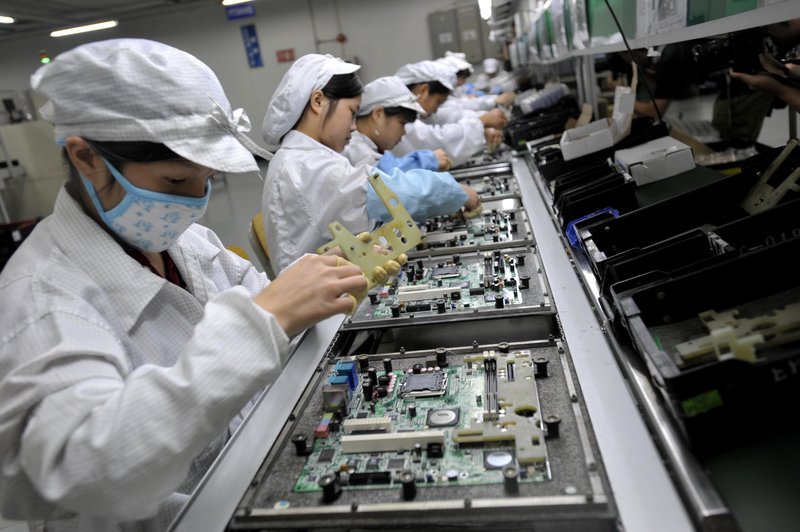
The electronics manufacturing landscape is undergoing rapid transformation, driven by advances in automation, materials science, and digital design. As demand for smarter, more connected devices grows, the future of electronics fabrication is set to reshape how products are conceived, prototyped, and produced. From flexible circuits to AI-powered assembly lines, the next decade will bring new opportunities and challenges for engineers, manufacturers, and innovators alike.
Understanding these shifts is essential for anyone involved in product development, whether you’re designing consumer gadgets, industrial controls, or emerging IoT solutions. For those interested in compliance and process optimization, exploring resources like the electronic product design safety standards comparison can provide valuable context on how regulations and best practices are evolving alongside technology.
Key Trends Shaping Tomorrow’s Electronics Manufacturing
Several major trends are converging to redefine how electronic products are fabricated. These developments are not only making manufacturing more efficient but also enabling entirely new categories of devices and applications.
- Automation and Robotics: Advanced robotics and machine learning algorithms are streamlining assembly, inspection, and testing. This shift reduces human error, increases throughput, and allows for greater customization in production runs.
- Miniaturization and Integration: As components shrink and more functions are integrated onto single chips, manufacturers can create smaller, lighter, and more energy-efficient devices. This trend is especially important for wearables, medical implants, and mobile electronics.
- Flexible and Printed Electronics: The rise of flexible substrates and printed circuit technologies is enabling new form factors, such as bendable displays and wearable sensors. These innovations are opening doors to applications that were previously impossible with rigid boards.
- Sustainable Manufacturing: Environmental concerns are pushing the industry toward greener materials, energy-efficient processes, and improved recycling. Manufacturers are increasingly adopting eco-friendly practices to reduce waste and comply with global regulations.
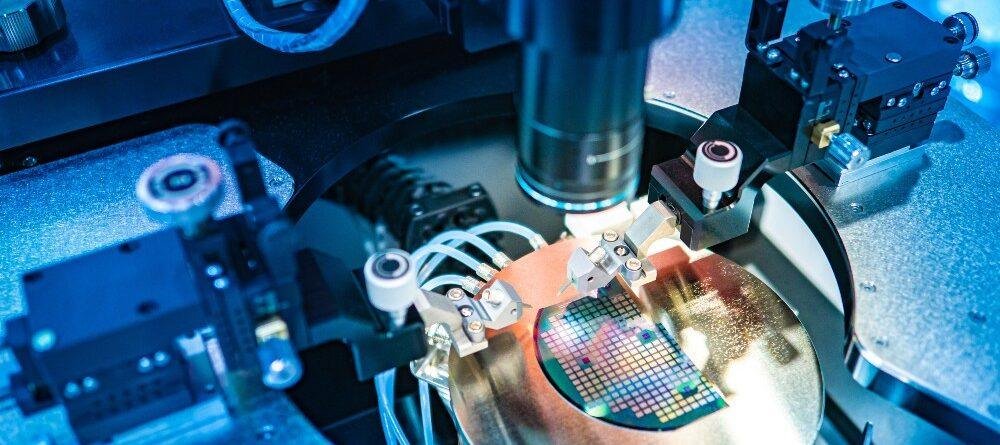
Emerging Technologies Driving the Future of Electronics Fabrication
Several cutting-edge technologies are at the heart of this transformation. Their adoption is accelerating innovation and changing the economics of electronics manufacturing.
3D Printing and Additive Manufacturing
3D printing is moving beyond prototyping and into full-scale production. Additive manufacturing allows for rapid iteration, complex geometries, and on-demand customization. This is particularly valuable for low-volume or highly specialized components, as well as for producing enclosures and connectors that traditional methods struggle to fabricate.
Artificial Intelligence and Machine Learning
AI is enhancing every stage of the electronics production process. From predictive maintenance of equipment to real-time quality control, machine learning algorithms can detect defects, optimize workflows, and even suggest design improvements. These capabilities are making factories smarter and more responsive to changing demands.
Advanced Materials and Nanotechnology
Breakthroughs in materials science are enabling the creation of faster, more durable, and more energy-efficient components. Nanomaterials, such as graphene and carbon nanotubes, promise significant improvements in conductivity, flexibility, and thermal management. These materials are paving the way for next-generation sensors, batteries, and displays.
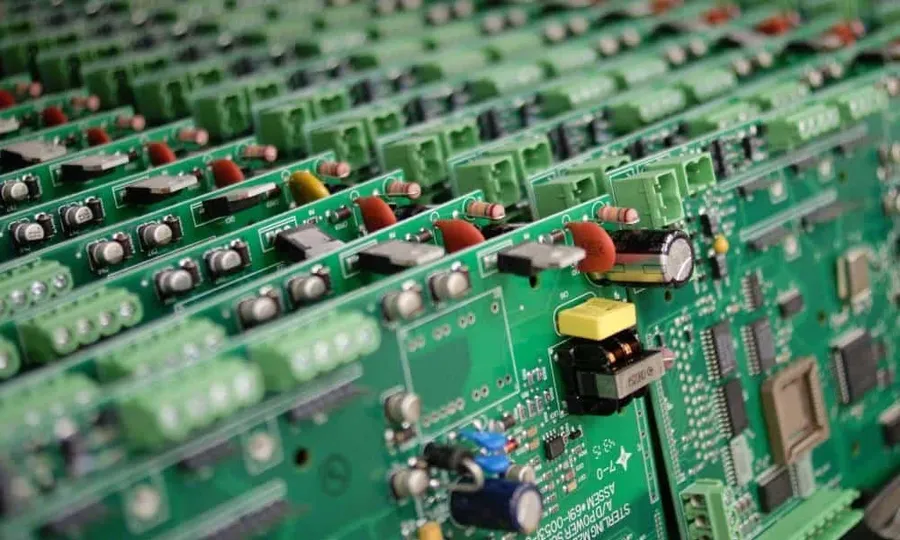
Digital Transformation and Smart Factories
The integration of digital tools and data analytics is central to the evolution of electronics manufacturing. Smart factories leverage the Industrial Internet of Things (IIoT), cloud computing, and real-time monitoring to optimize every aspect of production.
- Digital Twins: Virtual replicas of manufacturing lines or products enable simulation, testing, and optimization before physical production begins. This reduces costly errors and accelerates time to market.
- Supply Chain Integration: Real-time data sharing across suppliers, manufacturers, and distributors improves forecasting, inventory management, and traceability. This level of integration is crucial for responding to disruptions and maintaining quality standards.
- Predictive Maintenance: Sensors and analytics can anticipate equipment failures, allowing for proactive repairs and minimizing downtime. This not only saves costs but also extends the lifespan of critical machinery.
Quality Assurance and Testing in Next-Generation Manufacturing
As electronics become more complex, ensuring reliability and safety is more important than ever. Advanced testing methods are keeping pace with these demands. Automated optical inspection, X-ray analysis, and in-circuit testing are now standard in many facilities. For a deeper dive into best practices, the latest electronic component testing techniques provide insight into how manufacturers are meeting stringent quality requirements.
Additionally, comprehensive documentation and workflow management are becoming essential. Resources like the electronic product design documentation workflow guide can help teams streamline processes and maintain compliance throughout the product lifecycle.
Challenges and Opportunities Ahead
While the outlook for electronics fabrication is promising, several challenges remain. Supply chain disruptions, geopolitical tensions, and the ongoing need for skilled labor are persistent concerns. At the same time, the push for global market access and localization is driving companies to adapt their designs and processes. For those expanding internationally, understanding electronic product design for global markets and localization considerations is increasingly important.
On the opportunity side, the convergence of AI, advanced materials, and digital manufacturing is lowering barriers to entry for startups and enabling established firms to diversify their offerings. Companies that invest in flexible, scalable production capabilities will be best positioned to capitalize on emerging trends.
Frequently Asked Questions
What are the main benefits of digital transformation in electronics manufacturing?
Digital transformation enables real-time monitoring, predictive maintenance, and improved supply chain integration. These advances lead to higher efficiency, reduced costs, and faster response to market changes.
How is sustainability being addressed in modern electronics fabrication?
Manufacturers are adopting eco-friendly materials, energy-efficient processes, and recycling initiatives. These efforts help reduce environmental impact and ensure compliance with global regulations.
What role does AI play in the future of electronics fabrication?
AI is used for quality control, process optimization, and predictive analytics. It helps manufacturers detect defects early, optimize production, and adapt quickly to new requirements.
Conclusion
The coming years will see electronics manufacturing become more intelligent, adaptable, and sustainable. By embracing automation, advanced materials, and digital tools, companies can stay ahead in an increasingly competitive landscape. Keeping up with the latest trends and best practices, such as those found in future of electronics fabrication resources, will be key to success as the industry continues to evolve.
