

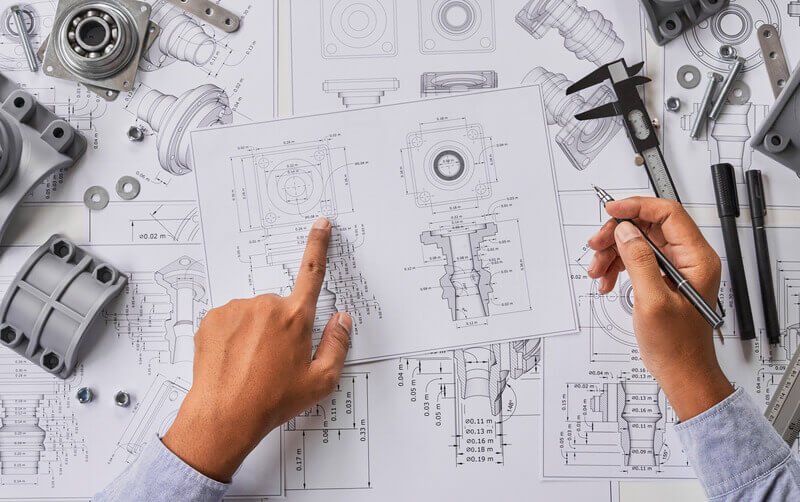
Advancements in artificial intelligence are transforming how engineers and innovators approach electronic product design using AI tools. These technologies are streamlining workflows, improving accuracy, and enabling rapid prototyping that was once unimaginable. Whether you’re developing consumer electronics, industrial devices, or IoT solutions, integrating AI-driven platforms into your process can lead to smarter, more reliable products and a faster time to market.
Understanding how to leverage these resources is essential for staying competitive in today’s fast-paced electronics industry. This article explores the practical steps, benefits, and challenges of adopting AI-powered solutions throughout the design lifecycle. For those interested in related topics such as testing and validation, the electronic product design performance testing guide provides further insights into ensuring product quality and compliance.
How AI Is Revolutionizing Electronic Product Development
The integration of AI-powered design tools into electronics engineering is reshaping traditional workflows. These platforms can automate repetitive tasks, optimize circuit layouts, and even predict potential design flaws before physical prototyping begins. By analyzing vast datasets and learning from previous projects, AI algorithms help engineers make smarter decisions at every stage.
For example, machine learning models can suggest optimal component placements on a PCB, reducing electromagnetic interference and improving signal integrity. Automated design rule checks, powered by AI, catch errors early, saving time and resources. This shift from manual to intelligent design processes is enabling teams to focus on creativity and innovation rather than tedious troubleshooting.

Key Benefits of AI-Driven Tools in Electronics Engineering
Adopting AI-based solutions for electronics design offers several advantages:
- Accelerated Prototyping: AI can generate multiple design iterations in minutes, allowing teams to test and refine concepts rapidly.
- Enhanced Accuracy: Automated checks minimize human error, resulting in more reliable schematics and layouts.
- Cost Efficiency: Early detection of design flaws reduces the need for costly rework and physical prototypes.
- Optimized Performance: AI algorithms analyze performance metrics and suggest improvements, leading to better energy efficiency and reliability.
- Data-Driven Insights: Historical project data and real-time analytics inform smarter design decisions.
These benefits are especially valuable for startups and established companies alike, as they help bring innovative products to market faster and with fewer risks.
Popular AI Tools for Electronic Product Design
The market for AI-driven electronics design platforms is expanding rapidly. Some widely used solutions include:
- Autodesk Fusion 360 with AI Extensions: Offers generative design features for PCB layouts and mechanical integration.
- Cadence Cerebrus: Uses machine learning to optimize chip design and verification processes.
- Mentor Graphics Valor NPI: Employs AI for automated design for manufacturability (DFM) checks and assembly optimization.
- Altium Designer with AI Plugins: Integrates AI-based component selection and placement suggestions.
These platforms are designed to work seamlessly with existing engineering workflows, making it easier for teams to adopt AI without a steep learning curve.

Integrating AI Into the Electronics Design Workflow
Successfully implementing AI in electronic product design requires a strategic approach. Here are key steps to consider:
- Assess Current Processes: Identify bottlenecks and repetitive tasks that could benefit from automation.
- Select Suitable Tools: Choose AI platforms that align with your team’s technical expertise and project requirements.
- Train Your Team: Provide training on new software and best practices for leveraging AI features.
- Integrate Gradually: Start with pilot projects to evaluate impact before scaling up across all design activities.
- Monitor and Refine: Continuously analyze results and adjust workflows to maximize efficiency and quality.
By following these steps, organizations can unlock the full potential of AI while minimizing disruption to established engineering practices.
Overcoming Challenges in AI-Enhanced Electronics Design
While the advantages are clear, there are also challenges to consider when adopting AI for electronic product development:
- Data Quality: AI models rely on accurate, comprehensive datasets. Incomplete or inconsistent data can lead to suboptimal results.
- Integration Complexity: Merging AI tools with legacy systems may require custom development or process changes.
- Skill Gaps: Teams may need to acquire new skills in data science, machine learning, or software integration.
- Security and IP Concerns: Protecting sensitive design data and intellectual property is crucial when using cloud-based AI platforms.
Addressing these challenges involves investing in training, data management, and robust cybersecurity measures. For more on related considerations, see the electronic product localization considerations article, which discusses adapting products for different markets and regulatory environments.
Best Practices for Maximizing AI’s Value in Electronics Projects
To fully benefit from AI-powered electronics engineering, consider these best practices:
- Collaborate Across Disciplines: Encourage communication between hardware, software, and data science teams.
- Prioritize Data Security: Implement strong access controls and encryption for design files and AI models.
- Stay Updated: Regularly review new AI features and updates from tool vendors to stay ahead of the curve.
- Document Processes: Maintain clear documentation of AI-driven workflows to support training and troubleshooting.
- Measure ROI: Track key performance indicators such as time savings, error reduction, and cost improvements.
These strategies help organizations maintain a competitive edge while ensuring that AI adoption delivers measurable business value.
Further Reading and Industry Resources
For a comprehensive overview of the electronics design process and how AI fits into each stage, refer to this detailed guide to electronics design services and the design process. Additionally, those interested in the cost implications of new technologies may find value in the electronic product lifecycle cost analysis resource.
FAQ: AI in Electronic Product Design
How does AI improve the efficiency of electronics design?
AI streamlines the design process by automating repetitive tasks, optimizing layouts, and providing predictive analytics. This reduces manual errors, accelerates prototyping, and allows engineers to focus on innovation rather than troubleshooting.
Are AI tools suitable for small electronics startups?
Yes, many AI-driven platforms are scalable and accessible for startups. They can help smaller teams compete with larger companies by reducing development time and improving product quality without significant upfront investment.
What are the main risks of using AI in product development?
Potential risks include data security concerns, integration challenges with existing systems, and the need for specialized skills. Careful planning, robust cybersecurity, and ongoing training can help mitigate these risks.
How can I ensure my team is ready to adopt AI-based design tools?
Start by assessing current skills and providing targeted training on AI platforms. Encourage collaboration between engineers and data specialists, and begin with pilot projects to build confidence and expertise.
