

When selecting a surface finish for printed circuit boards (PCBs), two of the most widely used options are Electroless Nickel Immersion Gold (ENIG) and Hot Air Solder Leveling (HASL). Each method has its own strengths, limitations, and ideal use cases. Understanding the distinctions between these finishes is crucial for engineers, designers, and manufacturers who want to optimize performance, reliability, and cost in their electronic products.
This article offers a clear, side-by-side comparison of ENIG vs HASL explained, covering their processes, benefits, drawbacks, and practical considerations. Whether you’re developing consumer electronics, industrial controls, or high-reliability devices, knowing how these finishes differ will help you make informed decisions for your next project.

For those interested in a deeper dive into PCB materials, the electronic product design PCB material selection guide provides additional context on how surface finishes interact with substrate choices.
Understanding ENIG and HASL Surface Finishes
Both ENIG and HASL are applied to exposed copper pads on PCBs to protect them from oxidation and ensure reliable soldering. However, their application methods and resulting properties are quite different.
- ENIG (Electroless Nickel Immersion Gold): This finish involves depositing a layer of nickel onto the copper, followed by a thin layer of gold. The nickel acts as a barrier, while the gold protects the nickel from oxidation and provides a solderable surface.
- HASL (Hot Air Solder Leveling): In this process, the board is dipped into molten solder, and excess solder is removed using hot air knives, leaving a protective layer on the copper pads.
ENIG vs HASL Explained: Process and Application
The manufacturing steps for each finish influence their characteristics and suitability for different applications.
ENIG Process Overview
The ENIG process is a chemical plating method. First, the PCB is cleaned and activated. Then, a layer of nickel is deposited onto the copper pads through an autocatalytic reaction. Afterward, a thin layer of gold is applied via immersion, which bonds to the nickel. This dual-layer finish is highly uniform and flat, making it especially suitable for fine-pitch components and surface-mount technology (SMT).
HASL Process Overview
HASL is a more mechanical process. The PCB is submerged in molten solder (typically a tin-lead or lead-free alloy), and then hot air knives blow off the excess, leaving a solder coating. While this method is cost-effective and widely available, it can result in uneven surfaces, especially on small pads or densely packed boards.
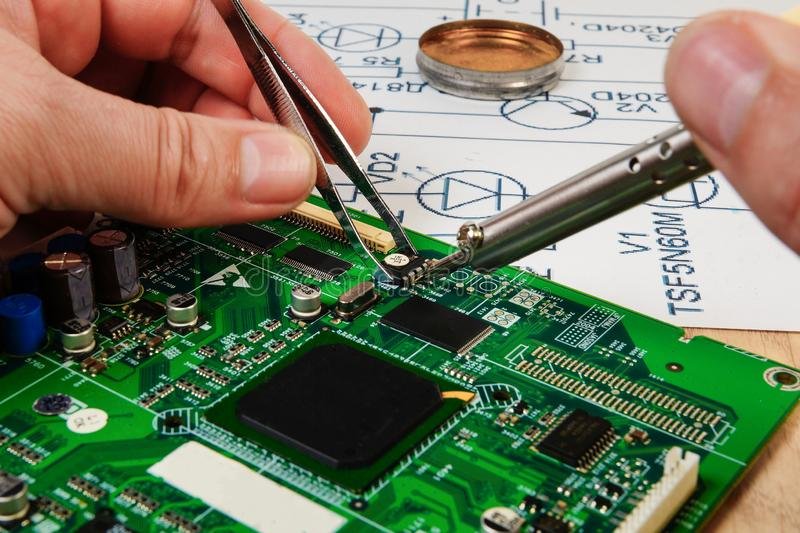
Comparing Performance: Solderability, Flatness, and Reliability
The choice between ENIG and HASL often comes down to the specific requirements of the end product. Here’s how they compare in key performance areas:
| Attribute | ENIG | HASL |
|---|---|---|
| Surface Flatness | Excellent; ideal for fine-pitch and BGA components | Can be uneven, especially on small pads |
| Solderability | Very good; gold layer ensures easy soldering | Good, but may require more care with lead-free variants |
| Oxidation Resistance | High; gold protects nickel from oxidation | Moderate; solder can oxidize over time |
| Durability | Suitable for multiple reflows and long shelf life | Less durable, especially after repeated heating |
| Cost | Higher | Lower |
When to Choose ENIG or HASL for Your PCB
Deciding which finish to use depends on your product’s technical needs and budget. Here are some factors to consider:
- ENIG is preferred for boards with fine-pitch components, BGAs, or where planarity is critical. It’s also ideal for applications requiring high reliability and long shelf life, such as aerospace, medical devices, and high-end consumer electronics.
- HASL is suitable for less complex designs, through-hole components, and cost-sensitive projects. It’s widely used in industrial controls, automotive electronics, and consumer products where ultra-flat surfaces are not required.
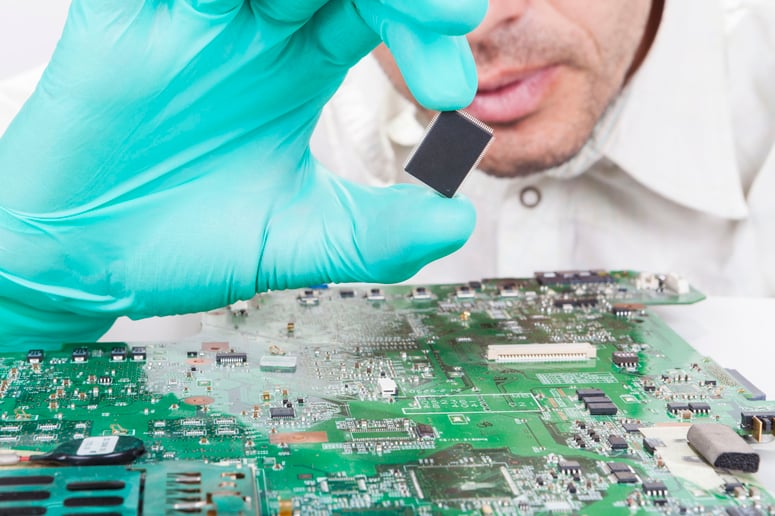
Advantages and Disadvantages of Each Finish
Benefits of ENIG
- Excellent surface flatness for advanced assembly
- Superior oxidation resistance and shelf life
- Compatible with lead-free soldering processes
- Supports multiple reflow cycles without degradation
Drawbacks of ENIG
- Higher cost compared to HASL
- Potential for “black pad” defect if process is not controlled
- Requires specialized plating equipment
Benefits of HASL
- Cost-effective and widely available
- Simple process with fast turnaround
- Good solderability for most standard applications
Drawbacks of HASL
- Surface unevenness can be problematic for fine-pitch parts
- Less suitable for high-density or high-reliability designs
- Potential for solder bridging on small pads
Industry Trends and Compliance Considerations
With the move toward lead-free electronics, both ENIG and lead-free HASL are common in RoHS-compliant manufacturing. However, ENIG’s compatibility with advanced assembly and its environmental stability have made it increasingly popular for high-performance products.
For a broader perspective on how these finishes fit into the overall electronics manufacturing process, see this comprehensive guide to electronics manufacturing processes.
Frequently Asked Questions
Is ENIG better than HASL for all PCB applications?
Not necessarily. While ENIG offers a flatter surface and better oxidation resistance, HASL is more cost-effective and suitable for less demanding applications. The choice depends on your board’s complexity, component density, and reliability requirements.
What is the main reason to choose HASL over ENIG?
HASL is typically chosen for its lower cost and ease of processing, especially for through-hole assemblies or when surface flatness is not critical. It’s a practical option for many standard industrial and consumer products.
Are there any reliability concerns with ENIG finishes?
ENIG is generally very reliable, but poor process control can lead to the “black pad” defect, which affects solderability. Working with experienced PCB manufacturers helps minimize this risk.
How do these finishes impact long-term storage?
ENIG’s gold layer provides excellent long-term protection, making it suitable for boards that may be stored before assembly. HASL finishes can oxidize over time, potentially affecting solderability if stored for extended periods.
Conclusion
Choosing between ENIG and HASL finishes involves balancing performance, cost, and the specific needs of your electronic product. ENIG excels in high-density, high-reliability, and lead-free applications, while HASL remains a practical choice for many standard PCB assemblies. By understanding the ENIG vs HASL explained differences, you can make informed decisions that enhance product quality and manufacturing efficiency.
