

The idea of disconnecting from public utilities and building a self-sufficient lifestyle appeals to many people. Whether for environmental reasons, independence, or simply the desire for a simpler life, living off the grid is gaining popularity across the United States and beyond. However, before you start planning your off-grid homestead, it’s crucial to understand the legal landscape. The question of can you live off-grid legally is more complex than it might seem, with rules and regulations varying widely by location.
This article breaks down the key laws, zoning requirements, and practical considerations you need to know if you’re considering a move toward off-grid living. We’ll also provide tips, resources, and links to help you avoid common pitfalls and ensure your journey to self-sufficiency is both rewarding and compliant with local regulations.
If you’re new to homesteading or want to avoid the mistakes new homesteaders make, it’s especially important to research your area’s specific requirements before making any major decisions.
Understanding Off-Grid Living Laws by State and Locality
The legality of living off-grid depends heavily on where you plan to settle. In the United States, there is no single federal law that prohibits or allows off-grid living. Instead, state, county, and city governments set their own zoning codes, building standards, and utility requirements. Some areas are very friendly to alternative lifestyles, while others have strict rules that can make true independence difficult.
Here are some of the main legal factors to consider:
- Zoning laws: These determine how land can be used. Some rural zones allow for off-grid homes, while others require connection to municipal utilities.
- Building codes: Local authorities may require homes to meet certain standards for safety, sanitation, and energy use. Tiny homes, cabins, and unconventional structures may not always comply.
- Utility regulations: In some places, disconnecting from water, sewer, or electricity is not permitted, or you may be required to install alternative systems that meet code.
- Waste disposal: Septic systems, composting toilets, and greywater systems are often regulated. Permits and inspections may be necessary.
- Water rights: Collecting rainwater or drilling a well can be subject to state and local laws.
Key Legal Hurdles for Off-Grid Homesteaders
While the dream of self-reliance is appealing, there are several legal obstacles you may encounter. Understanding these challenges can help you plan ahead and avoid costly mistakes.
Building Codes and Permits
Most jurisdictions require that any permanent dwelling meet local building codes. These codes are designed to ensure safety and habitability, but they can be a challenge for those wanting to build with alternative materials or designs. For example, some areas do not recognize tiny homes or earthships as legal residences. Always check with your local building department before construction.
Water and Waste Management Regulations
Access to water is a fundamental part of off-grid living. However, drilling a well or collecting rainwater is not always straightforward. Some states, particularly in the West, have strict water rights laws that limit or regulate personal water collection. Similarly, waste disposal is tightly controlled to protect public health. Composting toilets and greywater systems may require special permits or may not be allowed at all.
Power Generation and Utility Disconnects
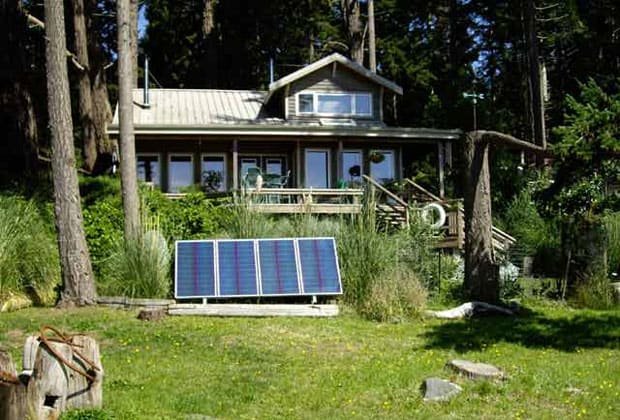
Generating your own electricity with solar panels, wind turbines, or generators is generally legal. However, in some areas, local codes require that homes remain connected to the electrical grid, even if you do not use it. This is more common in suburban or urban areas. Rural regions are typically more lenient, but always verify the rules before making the switch.
How to Research Local Laws Before Going Off-Grid
Because the answer to can you live off-grid legally depends so much on location, thorough research is essential. Here’s how to get started:
- Contact your county or city planning office to ask about zoning and building requirements for your property.
- Review state and local regulations on water rights, well drilling, and septic systems.
- Speak with neighbors or local homesteaders about their experiences and any challenges they faced.
- Consult reputable online resources, such as this comprehensive guide to off-grid homesteading legalities.
- Consider working with a land use attorney if you’re unsure about the rules or face resistance from local authorities.
Common Pitfalls and How to Avoid Them
Many aspiring off-gridders run into trouble by underestimating the complexity of local laws. Here are some tips to help you avoid common issues:
- Don’t assume rural land is always free of restrictions. Some counties have strict codes even in remote areas.
- Get all necessary permits before building or installing alternative systems.
- Keep detailed records of your communications with local officials and any permits or inspections.
- Stay up to date on changes to local laws that could affect your homestead.
- Learn from others’ experiences, such as those shared in resources about tropical off-grid homesteading or off-grid homesteading in deserts.
Water, Food, and Energy: Meeting Basic Needs Legally
Successfully living independently means addressing your essential needs within the law. Here’s what to consider:
Water Access and Filtration
Whether you plan to drill a well, harvest rainwater, or use a nearby stream, always check local and state regulations first. Permits may be required, and water rights can be a significant legal hurdle in some regions.
Food Production and Livestock
Growing your own food and raising animals is generally permitted in rural zones, but there may be restrictions on certain livestock or the size of your operation. Check for local ordinances regarding animal husbandry, garden size, and the use of greenhouses or hoop houses.
Renewable Energy Systems
Solar, wind, and micro-hydro systems are popular choices for off-grid power. In most rural areas, you can install these systems as long as they meet electrical codes. Some areas offer incentives for renewable energy, while others may require inspections or certifications.
Technology and Automation for Off-Grid Living
Modern technology can make self-sufficient living more practical and efficient. From smart energy management systems to automated chicken coops, there are many ways to streamline your homestead. For tips on integrating technology, see our article on off-grid homestead automation.
FAQ: Legal Off-Grid Living
Is it illegal to live off the grid in the United States?
No, it is not illegal nationwide, but local zoning, building codes, and utility regulations may restrict or complicate off-grid living in certain areas. Always check with your local authorities before making plans.
Can I legally disconnect from the electric grid?
In many rural areas, yes. However, some municipalities require homes to remain connected to public utilities, even if you generate your own power. Review your local codes to confirm what’s allowed.
Are composting toilets and greywater systems legal?
These systems are legal in some areas but may require permits or specific designs to comply with health and safety codes. Always consult your local health department for guidance.
Where can I find more information about off-grid laws?
Start by contacting your local planning office, and consult online resources such as this detailed guide to off-grid homesteading laws for additional insights.
Conclusion
The path to living independently from public utilities is possible, but it requires careful research and planning. By understanding local laws, obtaining the right permits, and learning from the experiences of others, you can build a sustainable and legal off-grid lifestyle. Always remember that regulations can change, so stay informed and proactive as you pursue your homesteading goals.
