

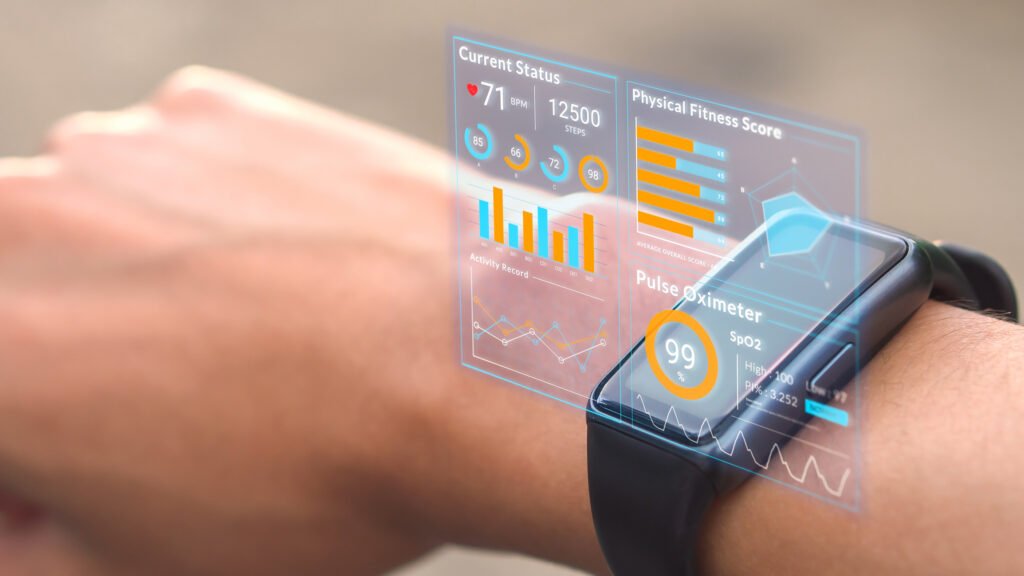
Fitness trackers have become a staple for anyone interested in monitoring their health and activity levels. These small, wearable devices collect a range of data, from steps taken and calories burned to heart rate and sleep patterns. But what exactly goes on inside these gadgets to provide such detailed insights? Understanding how fitness trackers work can help users make the most of their devices and interpret the data they receive more accurately.
If you’re curious about the broader world of wearables, you might also find value in our in-depth guide on fitness wearables explained, which covers additional features and benefits beyond activity tracking.
Core Technologies Behind Fitness Trackers
The foundation of most fitness trackers lies in a combination of sensors and algorithms. These components work together to collect, process, and interpret physical data from your daily activities. Here’s a closer look at the main technologies involved:
- Accelerometers: These sensors detect movement and orientation, allowing the device to count steps, measure distance, and estimate calories burned.
- Gyroscopes: By detecting rotational motion, gyroscopes help improve the accuracy of activity tracking, especially during complex movements.
- Optical Heart Rate Monitors: Using photoplethysmography (PPG), these sensors shine light into the skin to measure blood flow and calculate heart rate.
- Altimeters and Barometers: These sensors track elevation changes, such as climbing stairs or hiking, by measuring air pressure differences.
- Bioimpedance Sensors: Some advanced trackers use these to estimate body composition and hydration levels.
Data Collection and Processing in Wearable Devices
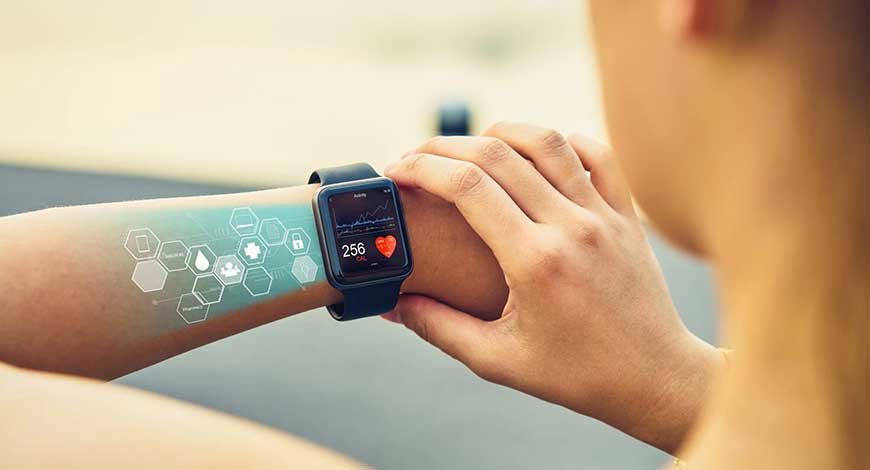
Once the sensors gather raw data, the device’s onboard processor and software algorithms come into play. These algorithms interpret the sensor readings to provide meaningful metrics. For example, an accelerometer’s data is analyzed to distinguish between walking, running, or cycling. Heart rate data is filtered to remove noise and provide accurate readings during different activities.
Many trackers also sync with smartphones or computers via Bluetooth or Wi-Fi. This allows users to view detailed reports, set goals, and track progress over time. Some devices even use cloud-based analytics to enhance accuracy and offer personalized recommendations.
Understanding Activity and Health Metrics
The metrics displayed on a fitness tracker’s screen or companion app are the result of complex calculations. Here are some of the most common metrics and how they are derived:
- Step Count: Detected by analyzing repetitive motion patterns from the accelerometer.
- Distance Traveled: Calculated using step count and estimated stride length, or via GPS for outdoor activities.
- Calories Burned: Estimated based on movement, heart rate, age, weight, and gender.
- Heart Rate: Measured continuously or at intervals using optical sensors.
- Sleep Quality: Determined by monitoring movement and heart rate variability during sleep cycles.
For those interested in how these devices monitor rest, our article on sleep tracking wearables explained dives deeper into the science of sleep analysis.
How Fitness Trackers Monitor Heart Rate and Sleep
One of the most valuable features of modern fitness trackers is their ability to monitor heart rate and sleep patterns. Optical heart rate sensors, typically located on the underside of the device, use green LED lights to detect blood flow changes. The data is then processed to estimate beats per minute (BPM) and track trends over time.
Sleep monitoring combines motion data with heart rate variability to estimate sleep stages, such as light, deep, and REM sleep. While these estimates are not as precise as clinical sleep studies, they provide useful insights for everyday health management.
Accuracy and Limitations of Activity Trackers
While fitness trackers offer a convenient way to monitor health, their accuracy can vary. Factors such as device placement, sensor quality, and user movement patterns all play a role. For example, wrist-based heart rate monitors may be less accurate during high-intensity exercise or when the device is worn loosely.
If you want to explore this topic further, our resource on accuracy of medical wearables provides an in-depth look at what affects measurement precision and how to interpret your device’s data responsibly.
Despite these limitations, most devices are sufficiently accurate for general fitness and health tracking. Manufacturers are continually improving sensor technology and algorithms to enhance reliability.
Privacy and Data Security Considerations
With the increasing amount of personal health data collected by fitness trackers, privacy and security have become important concerns. Users should be aware of how their information is stored, shared, and used by manufacturers and third-party apps. It’s advisable to review privacy policies and adjust settings to control data sharing.
For a more detailed look at the science and privacy implications, the scientific review of wearable technology in health monitoring offers valuable insights into both the benefits and challenges of these devices.
Future Trends in Wearable Fitness Technology
The evolution of fitness trackers is ongoing. Newer models are incorporating advanced sensors for blood oxygen saturation (SpO2), electrocardiogram (ECG) readings, and even hydration monitoring. Integration with smart home devices and health platforms is also expanding, making it easier for users to manage their wellbeing holistically.
As technology advances, we can expect even more accurate, personalized, and comprehensive health insights from wearable devices. For those interested in the medical side, our article on how medical wearables work explores the intersection of consumer and clinical technology.
FAQ
What sensors are most commonly used in fitness trackers?
Most fitness trackers rely on a combination of accelerometers, gyroscopes, and optical heart rate sensors. Some advanced models also include GPS, altimeters, and bioimpedance sensors for more detailed health tracking.
How accurate are step counts and calorie estimates?
Step counts are generally reliable for everyday walking and running, but may be less accurate during activities involving irregular movement. Calorie estimates are based on algorithms that use personal data and activity levels, so they provide a useful guideline but may not be exact.
Can fitness trackers replace medical devices?
While fitness trackers offer valuable health insights, they are not substitutes for professional medical devices or advice. They are best used for general wellness monitoring and motivation, rather than for diagnosing or managing medical conditions.
