

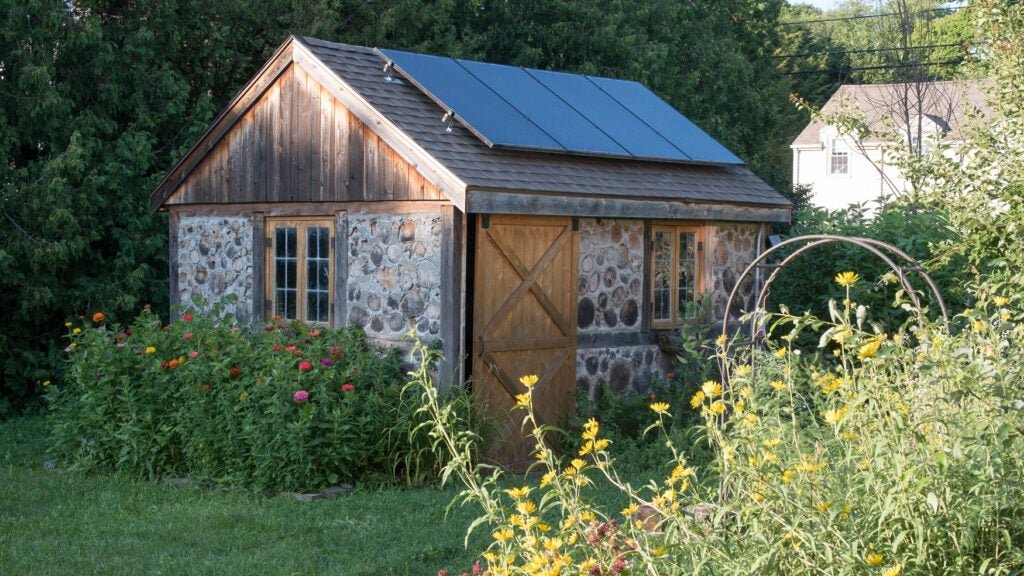
Choosing to live off the grid is about more than just disconnecting from public utilities—it’s a lifestyle shift that can have a profound impact on your mental health off-grid living experience. Many people are drawn to this way of life for its promise of self-sufficiency, closer connection to nature, and escape from the relentless pace of modern society. But what are the real effects on psychological wellbeing, and how can you foster a healthy mindset while embracing independence?
In this article, we’ll explore the relationship between off-grid living and mental wellness, highlight the unique challenges and rewards, and offer practical strategies for maintaining emotional balance. If you’re interested in building a resilient, fulfilling lifestyle, you’ll find actionable insights here. For those seeking even more inspiration, check out these self-sufficient homestead ideas to complement your journey.
The Psychological Benefits of Living Off the Grid
One of the most significant advantages of off-grid living is the opportunity to reconnect with natural rhythms. Daily routines often revolve around the sun, weather, and seasons, which can foster a sense of harmony and reduce stress. Many people report that being immersed in nature helps lower anxiety and improves mood. The absence of constant digital noise and urban distractions also allows for deeper focus and more restorative rest.
Other key benefits include:
- Increased mindfulness: Tasks like gardening, animal care, and food preparation require presence and intention, promoting a meditative state.
- Greater self-reliance: Building skills and solving problems independently can boost self-esteem and resilience.
- Stronger sense of purpose: Daily activities are often directly linked to survival and comfort, making accomplishments more meaningful.
- Improved sleep quality: Reduced exposure to artificial light and screens can help regulate circadian rhythms. For more on sleep optimization, see sleep tracking wearables explained.
Challenges to Mental Health in Remote Living
While there are many positives, living off the grid can also present unique challenges for emotional wellbeing. Social isolation, unpredictable weather, and the constant need for problem-solving can take a toll. It’s important to recognize these potential stressors and develop strategies to address them.
Common hurdles include:
- Loneliness: Fewer neighbors and limited social opportunities can lead to feelings of isolation, especially during long winters or periods of bad weather.
- Uncertainty: Equipment failures, supply shortages, and unexpected emergencies can create anxiety.
- Physical demands: The work required to maintain an off-grid homestead is often strenuous, which can lead to fatigue and impact mood.
- Limited access to healthcare: Remote locations may make it harder to receive timely medical or mental health support.

Building Resilience: Strategies for Emotional Wellbeing
Maintaining mental health off-grid living requires proactive habits and a flexible mindset. Here are practical approaches to support your psychological resilience:
- Establish routines: Regular schedules for chores, meals, and relaxation can provide stability and reduce anxiety.
- Stay connected: Use phone calls, online communities, or scheduled visits to maintain relationships with friends and family.
- Practice self-care: Make time for hobbies, exercise, and mindfulness practices like meditation or journaling.
- Set realistic goals: Break large projects into manageable steps to avoid feeling overwhelmed.
- Embrace learning: View challenges as opportunities to develop new skills and adapt.
For those new to this lifestyle, resources like what to know about homesteading can help you prepare both mentally and practically.
Nature’s Role in Supporting Mental Health
Immersion in nature is a cornerstone of off-grid living. Research shows that spending time outdoors can lower blood pressure, improve mood, and enhance cognitive function. Activities such as gardening, hiking, and simply observing wildlife offer daily opportunities for relaxation and reflection.
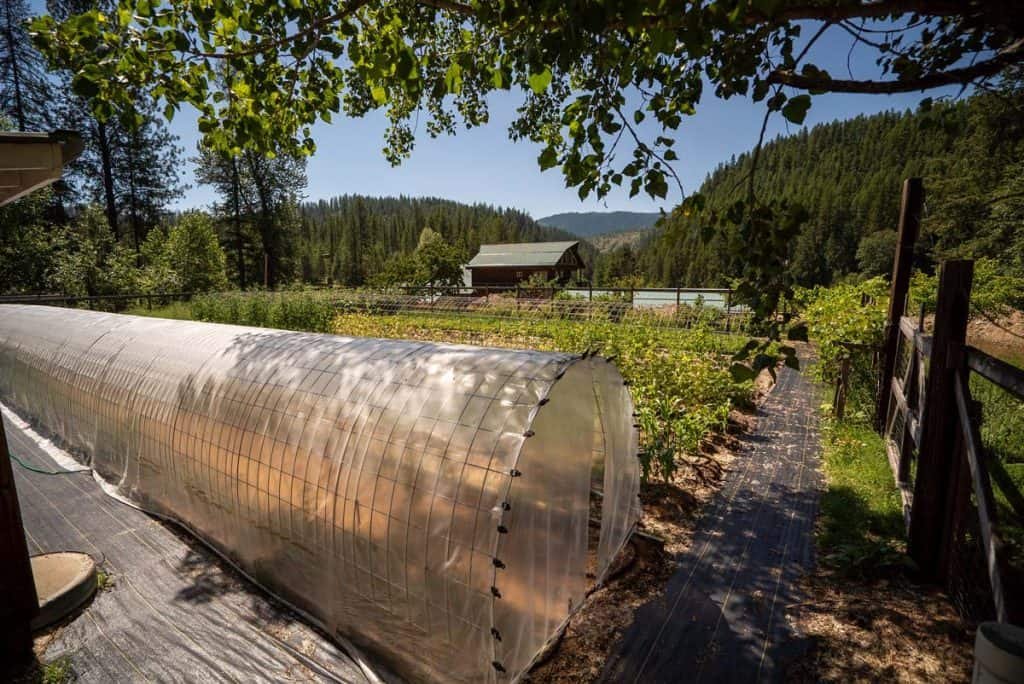
Gardening, in particular, has been linked to reduced symptoms of depression and anxiety. Tending to plants, growing your own food, and spending time in green spaces can all contribute to a greater sense of wellbeing. If you’re interested in optimizing your homestead for both productivity and peace of mind, consider integrating raised beds or a small greenhouse.
Balancing Technology and Simplicity
While the goal of off-grid living is often to minimize reliance on modern technology, certain tools can support both physical and mental health. For example, solar-powered lighting, water filtration systems, and even basic fitness trackers can help you monitor your wellbeing and maintain comfort. The key is to use technology intentionally, choosing solutions that enhance rather than detract from your lifestyle.
If you’re curious about how health monitoring devices fit into a low-tech lifestyle, our article on fitness wearables explained covers the features and benefits of these tools.
Community, Support, and Finding Your Balance
Even in remote settings, community plays a vital role in sustaining emotional health. Whether it’s through local meetups, online forums, or bartering networks, connecting with others who share your values can provide encouragement and practical help. Don’t hesitate to reach out for support when needed, and be open to both giving and receiving help.
Ultimately, thriving in an off-grid environment means finding the right balance between independence and connection, routine and flexibility, solitude and support. By prioritizing your mental wellbeing, you can make the most of the freedom and fulfillment this lifestyle offers.
Frequently Asked Questions
How can I prevent loneliness while living off the grid?
Maintaining regular contact with friends and family through calls or visits, joining online communities, and participating in local events can help reduce feelings of isolation. Building relationships with neighbors and engaging in shared projects also fosters a sense of belonging.
What are some daily habits that support mental health in remote living?
Establishing routines, practicing mindfulness, spending time outdoors, and setting aside moments for self-care are all effective ways to support emotional balance. Regular exercise and creative hobbies can also boost mood and resilience.
Are there resources for learning more about off-grid living and wellbeing?
Yes, there are many books, online forums, and articles dedicated to this topic. For practical tips and inspiration, explore guides like what to know about homesteading and browse our collection of self-sufficient homestead ideas.
