


Embracing green living off-grid is more than just a lifestyle choice—it’s a commitment to sustainability, self-sufficiency, and mindful consumption. For those seeking to reduce their environmental impact while enjoying the freedom of an independent life, adopting practical daily habits is essential. Whether you’re new to off-grid living or looking to refine your routines, this guide offers actionable steps to help you thrive while treading lightly on the planet.
Many people are inspired by the idea of living closer to nature, growing their own food, and minimizing reliance on traditional utilities. As you explore these practices, you may also be interested in related approaches such as regenerative living off-grid, which goes beyond sustainability to actively restore the environment.
Building a Foundation for Sustainable Off-Grid Living
Establishing a solid foundation is crucial for anyone pursuing a more eco-friendly, off-grid lifestyle. This means making thoughtful decisions about your home, energy sources, water use, and waste management. Here are some key areas to focus on:
- Energy Independence: Invest in renewable energy systems such as solar panels or wind turbines. These not only reduce your carbon footprint but also provide reliable power without dependence on the grid.
- Water Conservation: Collect rainwater and use greywater systems for irrigation. Simple habits like turning off taps when not in use and fixing leaks can save hundreds of gallons each year.
- Waste Reduction: Composting food scraps and recycling materials helps minimize landfill waste. Consider reusing containers and buying in bulk to cut down on packaging.
Daily Routines for Green Living Off-Grid
Consistency is key when it comes to maintaining an eco-friendly routine. Here are some simple, effective habits to incorporate into your daily life:
- Morning Energy Check: Review your battery levels and energy usage. Adjust your activities to make the most of available solar or wind power, such as running appliances during peak sunlight.
- Mindful Water Use: Use low-flow fixtures and collect water for tasks like watering plants or cleaning. Limit shower times and reuse water when possible.
- Meal Planning: Cook with homegrown or locally sourced ingredients. Preparing meals in batches saves energy and reduces food waste.
- Composting: Add kitchen scraps to your compost bin daily. This not only reduces waste but also enriches your garden soil.
- Routine Maintenance: Check for leaks, monitor your solar setup, and inspect your garden or livestock areas to catch issues early.
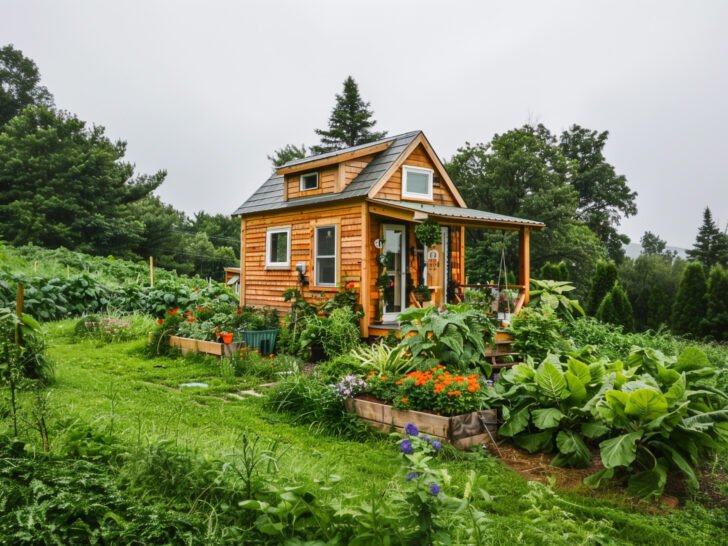
Growing Your Own Food and Managing Resources
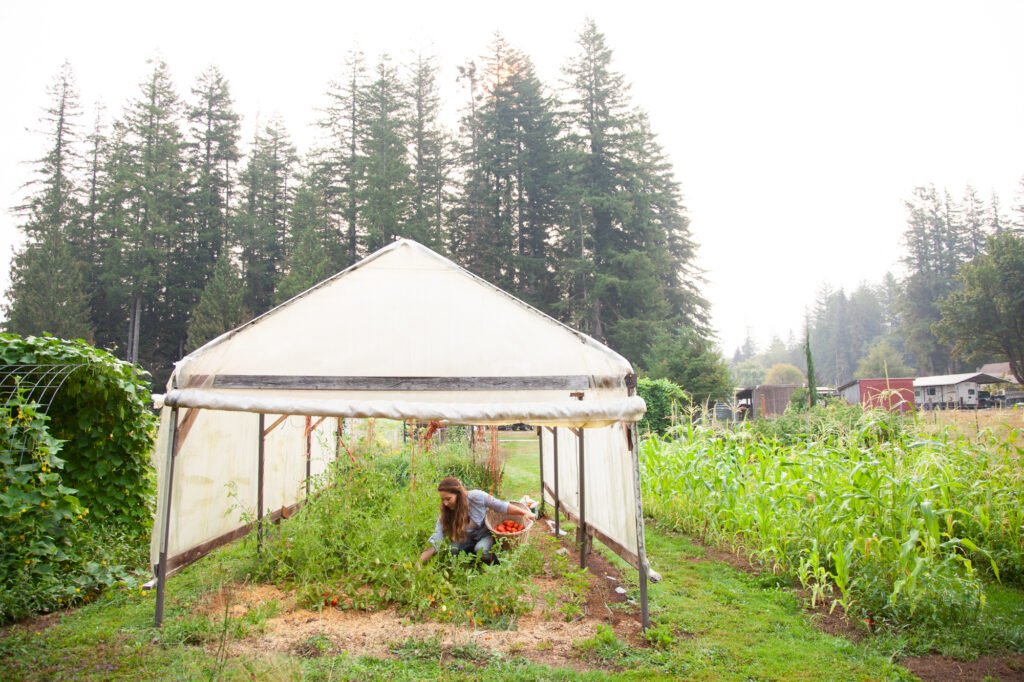
One of the most rewarding aspects of sustainable off-grid living is cultivating your own food. This not only reduces your reliance on commercial supply chains but also ensures fresher, healthier meals. Here are some strategies to maximize your yields and conserve resources:
- Raised Garden Beds: These improve drainage, reduce soil erosion, and make it easier to manage crops. They also help conserve water by directing it to plant roots.
- Crop Rotation and Companion Planting: Rotating crops each season and planting compatible species together can boost soil health and deter pests naturally.
- Mulching: Adding organic mulch retains soil moisture, suppresses weeds, and enriches the earth as it decomposes.
- Livestock Integration: Chickens, goats, or rabbits can provide eggs, milk, and manure for compost, creating a closed-loop system.
Essential Tools and Resources for Off-Grid Success
Having the right tools and knowledge can make a significant difference in your daily routines. From gardening supplies to energy monitors, investing in quality equipment pays off over time. For a comprehensive overview of must-have items and strategies, check out this off-grid living essentials guide that covers everything from power solutions to food storage.
Staying informed and connected with others on a similar journey can also provide valuable support. Online communities, local workshops, and educational resources help you troubleshoot challenges and discover new ideas for living more sustainably.
Adapting to Seasonal Changes and Challenges
Living independently from the grid requires flexibility, especially as seasons change. Here are some ways to adapt your routines throughout the year:
- Winter Preparation: Insulate your home, stockpile firewood, and ensure your energy system can handle reduced sunlight or wind.
- Summer Strategies: Use shade structures, ventilate your living spaces, and adjust your water usage to account for higher evaporation rates.
- Emergency Planning: Keep backup supplies of food, water, and medical essentials. Regularly test your systems to ensure they’re ready for unexpected events.
As you refine your approach, remember that every small improvement contributes to a more resilient and eco-friendly lifestyle.
Frequently Asked Questions
What are the first steps to start living sustainably off the grid?
Begin by assessing your current consumption and identifying areas where you can reduce waste and energy use. Invest in renewable energy sources, set up water collection systems, and start small with a garden or composting bin. Gradually build your skills and infrastructure as you gain confidence.
How can I manage energy use efficiently in an off-grid home?
Monitor your energy production and consumption daily. Use energy-intensive appliances during peak generation times, switch to LED lighting, and unplug devices when not in use. Consider adding battery storage to make the most of your renewable sources.
Is it possible to live off-grid with a family?
Yes, many families successfully embrace this lifestyle. It requires planning, cooperation, and flexibility, but it can be deeply rewarding. Involve everyone in daily tasks, share responsibilities, and adapt routines to meet your family’s unique needs.
