


The rapid growth of wearable technology has transformed how we monitor health, track fitness, and interact with digital environments. At the heart of these innovations is real time data processing in wearables, a capability that enables devices to capture, analyze, and respond to information instantly. Whether it’s a smartwatch tracking your heart rate or a fitness band counting your steps, the ability to process data on the fly is what makes these devices truly smart.
Understanding how wearables handle data in real time is essential for anyone interested in the future of health tech, sports analytics, or even augmented and virtual reality. This article explores the core concepts, challenges, and advancements in this area, providing a clear look at how these compact devices manage to deliver immediate feedback and actionable insights.
For those curious about the underlying communication protocols, you may also want to explore how BLE works in wearable devices, which plays a crucial role in efficient data transfer for many modern wearables.
How Wearables Capture and Analyze Data Instantly
Wearable devices are equipped with a range of sensors—such as accelerometers, gyroscopes, heart rate monitors, and GPS modules—that continuously collect data from the user’s body and environment. The challenge lies in processing this information as it is received, without noticeable delay. This is where real time data processing becomes essential.
The process typically involves several key steps:
- Data Acquisition: Sensors gather raw signals, such as movement, temperature, or biological metrics.
- Signal Conditioning: The device filters and cleans the data to remove noise and irrelevant information.
- Feature Extraction: Key patterns or metrics are identified, such as step count or heart rate variability.
- Decision Making: Algorithms interpret the extracted features, triggering alerts or actions if necessary.
- Feedback: Results are displayed to the user or sent to a connected app for further analysis.
Key Technologies Powering Instant Data Handling
Several technological advancements have made it possible for wearables to process information in real time. These include:
- Low-Power Microprocessors: Specialized chips enable fast computations while conserving battery life.
- Edge Computing: Data is processed locally on the device, reducing the need to send information to the cloud and minimizing latency.
- Efficient Communication Protocols: Protocols like Bluetooth Low Energy (BLE) allow for quick and energy-efficient data transfer between devices and smartphones.
- Machine Learning Algorithms: On-device AI can recognize complex patterns, such as detecting irregular heartbeats or predicting falls.
These innovations ensure that wearables can deliver timely feedback, which is especially important in health monitoring and safety-critical applications.
Challenges in Real-Time Data Processing for Wearable Devices
While the benefits are clear, implementing real-time analytics in compact, battery-powered devices comes with several hurdles:
- Limited Processing Power: Wearables must balance computational demands with size and energy constraints.
- Battery Life: Continuous data processing can quickly drain batteries, making power management a top priority.
- Data Security and Privacy: Sensitive health and location data must be protected during processing and transmission.
- Latency: Any delay in processing can reduce the usefulness of real-time feedback, especially in applications like fall detection or emergency alerts.
- Sensor Accuracy: Inaccurate or noisy data can lead to false readings and unreliable outcomes.
Developers and manufacturers are constantly innovating to address these challenges, optimizing both hardware and software for efficiency and security.
Applications of Real-Time Processing in Wearables
The ability to process data instantly opens up a wide range of applications across various sectors:
- Health Monitoring: Devices can detect abnormal heart rates, blood oxygen levels, or signs of fatigue and alert users or caregivers immediately.
- Fitness Tracking: Real-time feedback on steps, calories, and workout intensity helps users adjust their routines for better results.
- Safety and Emergency Response: Wearables can automatically detect falls or accidents and notify emergency contacts or services.
- Navigation and Location Tracking: GPS-enabled devices provide live directions and location updates, which is especially useful for outdoor activities and elderly care. For more on this, see GPS tracking in wearables.
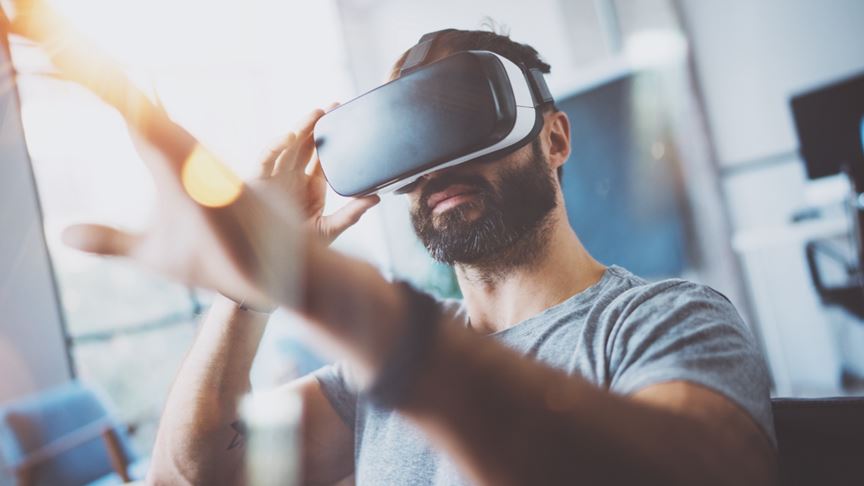
- Augmented and Virtual Reality: Real-time sensor data enhances immersive experiences by synchronizing movements and environmental feedback.
Future Trends in Wearable Data Processing
As technology advances, the capabilities of wearables are expected to grow even further. Some emerging trends include:
- Integration with AI: More sophisticated on-device AI will enable deeper insights and predictive analytics, improving health outcomes and user experiences.
- Improved Battery Technology: Advances in battery design and energy harvesting will extend device lifespans and support more complex processing tasks.
- Enhanced Connectivity: The adoption of 5G and other high-speed networks will allow for faster data transfer and more seamless integration with cloud services.
- Greater Focus on Sustainability: Eco-friendly materials and energy-efficient designs are becoming a priority, as discussed in sustainability in wearable device design.
- Regulatory Developments: As wearables become more involved in healthcare, regulations for AI in elderly care and other sensitive areas will play a larger role. For more, see regulations for AI in elderly care.
These trends point toward a future where wearables are not only more powerful but also more responsible and user-centric.
Understanding the Impact of Real-Time Analytics
The ability to process information instantly has a profound impact on user safety, health outcomes, and daily convenience. For example, immediate alerts about irregular heart rhythms can prompt users to seek medical attention before a condition worsens. Similarly, real-time location tracking can help caregivers monitor vulnerable individuals, providing peace of mind.
In sports and fitness, instant feedback allows athletes to optimize their training and avoid injury. In entertainment, seamless data handling creates more immersive and interactive experiences.
As the technology matures, the integration of real time data processing in wearables will continue to expand, touching every aspect of our lives from healthcare to recreation.
Further Resources and Industry Perspectives
For a broader overview of how these devices fit into the larger tech landscape, you can read this comprehensive explanation of wearable technology. Staying informed about both technical and regulatory developments will help users and developers make the most of these rapidly evolving tools.
FAQ
What is real-time data processing in wearables?
It refers to the ability of wearable devices to capture, analyze, and respond to data as it is collected, without significant delay. This enables features like instant health alerts, live fitness tracking, and responsive user interfaces.
Why is instant data handling important for wearable devices?
Immediate processing allows wearables to provide timely feedback, which is critical for applications such as health monitoring, emergency response, and interactive experiences. Without real-time capabilities, the usefulness and safety of these devices would be greatly reduced.
What are the main challenges in implementing real-time analytics in wearables?
The biggest challenges include limited processing power, battery constraints, ensuring data privacy, minimizing latency, and maintaining sensor accuracy. Developers must balance these factors to deliver reliable and efficient devices.
