

The rapid growth of wearable technology has transformed how we monitor health, track fitness, and interact with the digital world. From smartwatches and fitness trackers to advanced medical devices, these gadgets rely on a sophisticated blend of wearable hardware components to function seamlessly. Understanding the essential building blocks behind these devices helps users, developers, and businesses appreciate the complexity and potential of modern wearables.
Whether you’re interested in the steps to build a wearable product or simply want to know what makes your smartwatch tick, this article breaks down the key elements that power today’s most popular wearable devices.

Core Elements of Modern Wearable Devices
At the heart of every wearable lies a combination of miniaturized electronics, sensors, and power solutions. These wearable hardware components are engineered for comfort, durability, and efficiency, enabling devices to operate reliably on the body throughout the day.
- Microcontrollers and Processors: The “brains” of wearables, these chips handle data processing, sensor management, and communication tasks.
- Sensors: Devices use a range of sensors—such as accelerometers, gyroscopes, heart rate monitors, and temperature sensors—to gather real-time data from the user and environment.
- Batteries and Power Management: Efficient, compact batteries (often lithium-polymer or lithium-ion) keep wearables running, while power management circuits optimize energy use.
- Displays: Many wearables feature OLED, LCD, or e-ink screens for user interaction and data visualization.
- Wireless Connectivity: Bluetooth, Wi-Fi, and sometimes cellular modules enable data transfer and device pairing.
- PCBs (Printed Circuit Boards): These provide the physical platform for mounting and connecting electronic parts.
- Enclosures and Materials: Durable, lightweight casings protect internal components and ensure comfort during wear.
Key Sensors and Their Functions
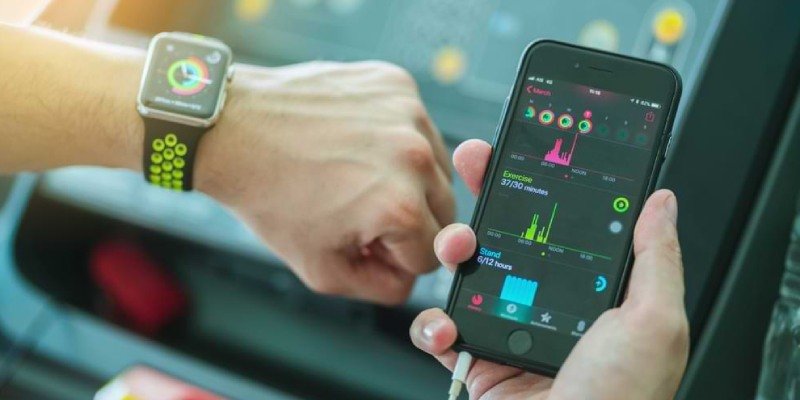
Sensors are fundamental to the value of wearable technology. They convert physical phenomena into digital signals, enabling devices to track movement, monitor health metrics, and respond to user actions. Here are some of the most common sensors found in today’s wearables:
- Accelerometers: Detect changes in movement and orientation, supporting step counting, activity tracking, and gesture recognition.
- Gyroscopes: Measure rotational motion, enhancing accuracy for fitness tracking and navigation.
- Optical Heart Rate Sensors: Use light to measure blood flow and estimate heart rate, a staple in fitness bands and smartwatches.
- Temperature Sensors: Monitor skin or ambient temperature, useful for health monitoring and environmental awareness.
- SpO2 Sensors: Estimate blood oxygen saturation, increasingly common in health-focused wearables.
- Bioimpedance Sensors: Analyze body composition and hydration levels.
The integration of these sensors, along with advanced algorithms, allows wearables to deliver meaningful insights and personalized feedback to users.
Power Solutions and Battery Life in Wearables
One of the biggest challenges in wearable design is balancing performance with battery life. Compact form factors limit battery size, making energy efficiency a top priority. Modern devices use a mix of hardware and software strategies to extend runtime:
- Low-Power Microcontrollers: Specially designed chips reduce energy consumption during operation and standby.
- Efficient Displays: OLED and e-ink screens use less power than traditional LCDs, especially when displaying static content.
- Smart Power Management: Circuits and firmware optimize charging, regulate voltage, and minimize drain from unused components.
- Wireless Charging: Some advanced wearables support contactless charging, improving convenience and water resistance.
For more on ensuring reliability in electronic assemblies, see this guide on how PCBs are tested for reliability.
Connectivity and Data Transmission
Wearable devices rely on robust wireless connections to sync data, receive notifications, and interact with other gadgets. The most common connectivity options include:
- Bluetooth Low Energy (BLE): The standard for most wearables, BLE offers low power consumption and reliable short-range communication with smartphones and tablets.
- Wi-Fi: Some devices support Wi-Fi for direct internet access, useful for streaming music or updating apps.
- Cellular Modules: High-end wearables may include LTE or 5G chips, enabling standalone calls, messaging, and GPS tracking.
- NFC (Near Field Communication): Used for contactless payments and quick device pairing.
Enclosures, Materials, and Comfort
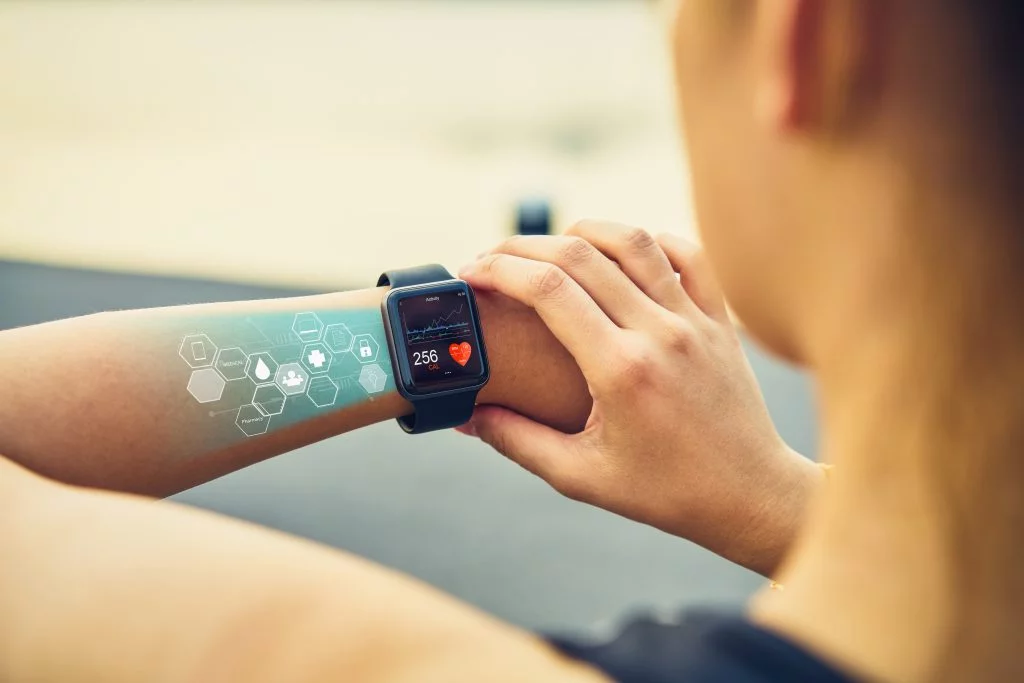
The physical design of wearables is just as important as their internal electronics. Devices must be comfortable, durable, and resistant to sweat, water, and dust. Common materials include:
- Silicone and Thermoplastic Elastomers: Used for bands and straps, these materials are soft, flexible, and skin-friendly.
- Aluminum and Stainless Steel: Provide structural strength and a premium feel for device bodies.
- Gorilla Glass or Sapphire Crystal: Protect displays from scratches and impacts.
- Polycarbonate: Lightweight and tough, often used for internal frames and casings.
The choice of materials impacts not only comfort but also the device’s ability to withstand daily wear and environmental exposure.
Printed Circuit Boards and Miniaturization
The compact size of wearables is made possible by advanced PCB design and manufacturing. High-density interconnect (HDI) PCBs allow for more components in a smaller space, while flexible PCBs enable curved or wraparound designs. These innovations are crucial for integrating all necessary wearable hardware components without sacrificing comfort or reliability.
For a deeper dive into the development journey, explore the wearable device development process from idea to launch.
Emerging Trends and Innovations in Wearable Tech
As technology advances, new types of sensors and materials are expanding the possibilities for wearables. Flexible displays, energy-harvesting modules, and advanced biosensors are just a few examples. The integration of AI and machine learning is also enhancing the ability of devices to interpret sensor data and provide actionable insights.
For a broader perspective on how clothing and accessories are merging with electronics, see this overview of computer clothing and smart textiles.
FAQ
What are the most important components in a wearable device?
The most critical elements include the microcontroller or processor, sensors (such as accelerometers and heart rate monitors), battery, display, wireless connectivity modules, and the physical enclosure. Each plays a vital role in ensuring the device operates efficiently and delivers useful features.
How do wearables balance performance and battery life?
Designers use low-power hardware, efficient displays, and smart power management techniques to maximize battery life. Software optimizations also help by reducing background activity and turning off unused features when not needed.
What materials are commonly used in wearable enclosures?
Popular materials include silicone, thermoplastic elastomers, aluminum, stainless steel, polycarbonate, and toughened glass. These materials are chosen for their durability, comfort, and resistance to environmental factors.
