

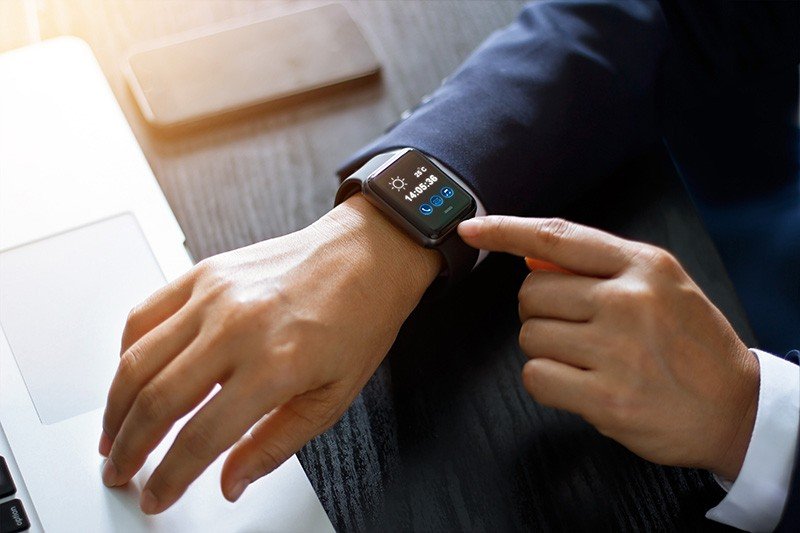
The wearable device development process has become a major focus for both startups and established tech companies as demand for smartwatches, fitness trackers, and health-monitoring gadgets continues to rise. Creating a successful wearable product involves much more than just hardware design—it requires a careful blend of user research, technical engineering, regulatory awareness, and strategic planning. This article provides a practical overview of the journey from initial concept to market launch, highlighting the essential stages and decisions that shape a wearable device’s path to success.
Along the way, we’ll touch on key considerations such as prototyping, testing, and manufacturing, as well as common challenges like miniaturization, battery life, and user comfort. For those interested in the reliability of electronics, you may also want to read about how PCBs are tested for reliability as part of the broader development landscape.
Understanding the Wearable Technology Landscape
Before diving into the steps of bringing a wearable to market, it’s important to understand the current landscape. Wearable technology encompasses a wide range of products, from fitness bands and smartwatches to medical monitors and augmented reality glasses. Each category has unique requirements in terms of sensors, connectivity, and user experience.
For a deeper dive into the science and engineering behind these products, the engineering of wearable technology offers valuable insights into trends, challenges, and innovations shaping the industry.

Key Stages in the Wearable Device Development Process
The journey from idea to launch can be broken down into a series of well-defined stages. Each phase brings its own set of technical and business challenges, requiring cross-functional collaboration and careful project management.
1. Ideation and Market Research
Every successful product begins with a clear understanding of user needs and market gaps. During this phase, teams gather insights through surveys, interviews, and competitor analysis. It’s crucial to identify the target audience and define the core value proposition. Questions to consider include:
- What problem does the device solve?
- Who will use it, and in what context?
- What features are essential versus nice-to-have?
Early market validation can help avoid costly missteps later in the process.
2. Concept Development and Feasibility Analysis
Once the concept is defined, technical feasibility must be assessed. This involves evaluating available sensor technologies, connectivity options (Bluetooth, Wi-Fi, cellular), and power requirements. Teams also consider form factor, ergonomics, and material choices to ensure the device is both functional and comfortable.
At this stage, it’s common to develop initial sketches, wireframes, and basic prototypes to visualize the product and gather feedback from stakeholders.
3. Prototyping and Design Iteration
Prototyping is a critical step in the wearable device development process. Engineers and designers work together to create functional models that simulate the final product’s look and feel. These prototypes are used to test hardware components, sensor accuracy, and user interface elements.
Iterative testing allows teams to refine the design, address usability issues, and optimize performance. This phase may involve several rounds of adjustments before moving forward.
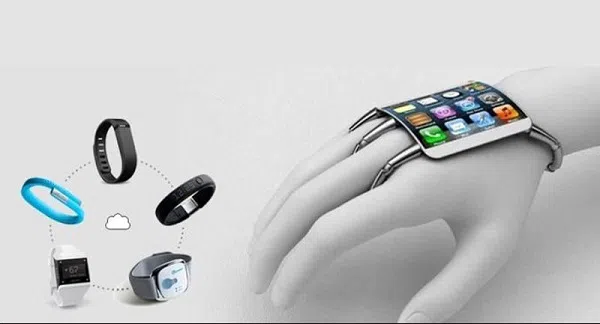
4. Hardware Engineering and Firmware Development
With a validated prototype, the focus shifts to detailed engineering. This includes designing custom PCBs, selecting microcontrollers, integrating sensors, and developing firmware. Power management is a top priority, as battery life is a key differentiator for wearables.
Teams must also consider manufacturability, durability, and compliance with industry standards. For more information on ensuring robust electronics, see our article on how to prevent PCB warping.
5. Software and App Integration
Most wearables rely on companion mobile apps or cloud platforms for data visualization, user settings, and firmware updates. Software development runs in parallel with hardware engineering to ensure seamless integration. Key tasks include:
- Developing user-friendly interfaces
- Implementing secure data transmission
- Establishing APIs for third-party integration
Security and privacy are especially important when dealing with sensitive health or location data.
6. Testing, Certification, and Compliance
Rigorous testing is essential before mass production. This includes functional testing, stress tests, and user trials to ensure reliability and safety. Regulatory compliance is mandatory for many markets—medical devices, for example, must meet FDA or CE requirements.
Common certifications for wearables include Bluetooth SIG, FCC, and RoHS. Addressing these requirements early can prevent costly delays.
7. Manufacturing and Supply Chain Management
Once the design is finalized and certified, the focus turns to manufacturing. Selecting the right manufacturing partner is crucial for quality control and scalability. Key considerations include:
- Material sourcing and logistics
- Production yield and defect rates
- Packaging and distribution strategies
Close collaboration with suppliers helps ensure that the final product meets both technical and aesthetic standards.
8. Launch and Post-Launch Support
Bringing a wearable to market involves more than just shipping units. A successful launch includes marketing, customer education, and establishing support channels for troubleshooting and updates. Gathering user feedback after launch is invaluable for future product iterations and software improvements.
Common Challenges and Best Practices
Developing wearable devices presents unique challenges, including miniaturization, thermal management, and user comfort. For example, managing heat dissipation is critical to prevent device overheating. If you’re interested in this topic, our resource on how to avoid thermal runaway provides practical strategies for electronics designers.
Other best practices include:
- Prioritizing battery efficiency in both hardware and software
- Designing for durability and water resistance
- Ensuring accessibility and inclusivity in user interfaces
- Planning for scalability and future updates
Frequently Asked Questions
What are the most important factors to consider when designing a wearable device?
Key factors include user comfort, battery life, sensor accuracy, data security, and regulatory compliance. It’s also important to ensure seamless integration with companion apps and to design for durability and water resistance.
How long does it typically take to develop a wearable device from concept to launch?
The timeline varies depending on complexity, but most projects take between 12 and 24 months. This includes time for research, prototyping, engineering, testing, certification, and manufacturing.
What certifications are required for wearable devices?
Common certifications include FCC (for wireless communication), Bluetooth SIG, CE (for European markets), and RoHS (for hazardous substances). Medical wearables may require additional approvals such as FDA clearance.
Conclusion
Navigating the wearable device development process requires a multidisciplinary approach, balancing innovation with practical engineering and regulatory requirements. By following a structured process and learning from industry best practices, teams can bring compelling, reliable wearables to market that meet real user needs.
