

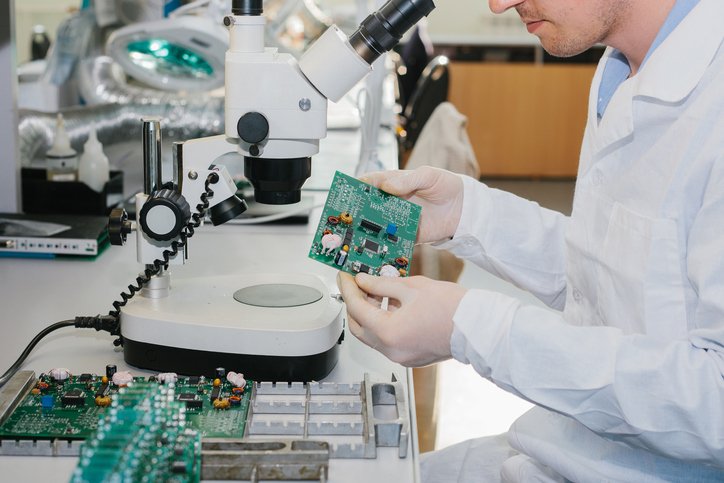
The pace of innovation in electronics has never been faster. Engineers and product designers are under constant pressure to bring new ideas to market quickly, efficiently, and with minimal risk. Electronics rapid prototyping is the process that enables this speed, allowing teams to turn concepts into functional hardware in record time. By leveraging modern tools and techniques, rapid prototyping streamlines development, reduces costs, and helps identify design flaws early—long before mass production begins.
In this guide, we’ll explore the fundamentals of fast-track electronics development, from its core benefits and essential steps to best practices and common challenges. Whether you’re a startup founder, an R&D engineer, or simply curious about how new tech gadgets come to life, understanding this process is crucial for success in today’s competitive landscape.
For those interested in related topics, such as ensuring safe and reliable circuits, our resource on circuit continuity testing offers valuable insights into verifying electrical connections during the prototyping phase.
What Is Electronics Rapid Prototyping?
At its core, electronics rapid prototyping refers to the quick fabrication of physical electronic assemblies or devices from digital designs. Unlike traditional methods, which can take weeks or months, rapid prototyping condenses the process into days or even hours. This acceleration is made possible by advancements in PCB manufacturing, 3D printing, modular development boards, and accessible design software.
The main objective is to create a working model that demonstrates key features and validates design assumptions. This prototype can be used for functional testing, user feedback, or as a proof of concept for investors and stakeholders. By iterating quickly, teams can refine their ideas and address issues before committing to expensive tooling or large-scale production.
Key Steps in the Prototyping Process
Developing a prototype for an electronic device typically follows a structured workflow. Here’s an overview of the essential steps:
- Conceptualization and Design: Start by defining the product’s purpose, features, and requirements. Use schematic capture and PCB layout tools to translate ideas into detailed circuit designs.
- Component Selection: Choose suitable electronic components based on performance, availability, and cost. This stage may involve referencing datasheets and considering electronics fabrication challenges that could impact manufacturability.
- Assembly and Fabrication: Use rapid PCB manufacturing services, breadboards, or modular platforms like Arduino and Raspberry Pi to build the initial prototype. 3D printing may be used for enclosures or mechanical parts.
- Testing and Validation: Evaluate the prototype’s functionality and performance. This includes checking for electrical continuity, verifying signal integrity, and ensuring compliance with circuit design rules explained in industry standards.
- Iteration: Based on testing results and feedback, refine the design and repeat the process as needed. Multiple iterations are common to optimize the final product.

Benefits of Fast-Track Electronics Development
Embracing rapid prototyping offers several advantages for electronics projects:
- Accelerated Time-to-Market: By reducing development cycles, companies can introduce new products ahead of competitors.
- Cost Savings: Early detection of design flaws prevents costly mistakes during mass production.
- Improved Product Quality: Iterative testing and feedback lead to more robust and user-friendly devices.
- Enhanced Collaboration: Physical prototypes make it easier for teams to communicate ideas and gather stakeholder input.
- Risk Reduction: Validating concepts before large investments minimizes the risk of project failure.
Essential Tools and Technologies for Prototyping
The success of any electronics prototyping effort depends on the right combination of tools and technologies. Key resources include:
- PCB Design Software: Applications like Altium Designer, Eagle, and KiCAD allow for schematic capture and board layout.
- Rapid PCB Fabrication Services: Online platforms can manufacture custom boards in a matter of days.
- Development Boards: Platforms such as Arduino, Raspberry Pi, and ESP32 provide flexible building blocks for quick experimentation.
- 3D Printing: Enables fast creation of custom enclosures and mechanical parts.
- Testing Equipment: Tools like oscilloscopes, logic analyzers, and multimeters (see our guide on how to use a multimeter) are essential for validating prototypes.
Common Challenges and How to Overcome Them
While the benefits are clear, rapid prototyping in electronics comes with its own set of challenges:
- Component Availability: Sourcing parts quickly can be difficult, especially during supply chain disruptions. Planning ahead and designing with alternative components in mind can help.
- Thermal Management: Prototypes may overheat if not properly designed. For more on this, see our article on thermal management in electronics.
- Testing Limitations: Prototypes may not undergo the same rigorous testing as final products. Leveraging advanced techniques, such as those described in electronic component testing standards and advanced techniques, can improve reliability.
- Design Complexity: As projects grow in scope, managing complexity becomes crucial. Modular design and clear documentation are key strategies.
Best Practices for Successful Prototyping
To maximize the value of your prototyping efforts, consider these best practices:
- Define Clear Objectives: Know what you want to test or demonstrate with each prototype iteration.
- Keep Designs Modular: Modular systems are easier to modify and troubleshoot.
- Document Everything: Maintain detailed records of design changes, test results, and lessons learned.
- Engage Stakeholders Early: Gather feedback from users, investors, and team members throughout the process.
- Plan for Scalability: Design with future manufacturing and compliance requirements in mind.
Frequently Asked Questions
How does rapid prototyping differ from traditional electronics development?
Traditional development typically involves lengthy design, fabrication, and testing cycles, often requiring custom tooling and significant upfront investment. In contrast, rapid prototyping uses flexible methods and modern tools to quickly create and test functional models, allowing for faster iteration and reduced risk.
What are the most common tools used in fast electronics prototyping?
Popular tools include PCB design software (such as Altium and Eagle), rapid PCB fabrication services, modular development boards (like Arduino and Raspberry Pi), 3D printers for enclosures, and standard test equipment such as multimeters and oscilloscopes.
Can rapid prototyping be used for both hardware and software development?
Yes, this approach supports both hardware and software. Many projects combine physical circuit boards with embedded firmware or software applications, allowing teams to test integrated systems and user interfaces early in the development process.
