

Hardware prototyping is a critical phase in the development process of any electronic product. It involves the creation of a preliminary model that can be used for testing and validation. A significant part of this process involves working with sensors and actuators. This article will delve into the details of how these components are used in prototyping.

Before we delve deeper, you might find it useful to understand how to make functional prototypes that work effectively.
Understanding Sensors and Actuators in Prototyping
Sensors and actuators are central to the functionality of many electronic devices. In prototyping, they serve as the eyes, ears, and limbs of your hardware, allowing it to interact with its environment.
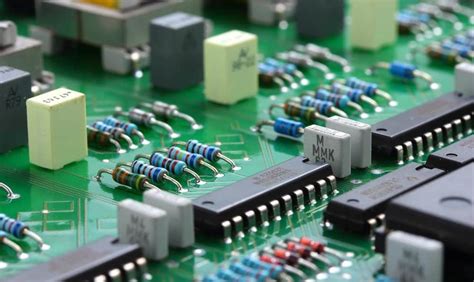
Choosing the Right Sensors and Actuators
Choosing the right sensors and actuators for your prototype is crucial. The selection process should be guided by the needs of your project and the specifications of the sensors and actuators.
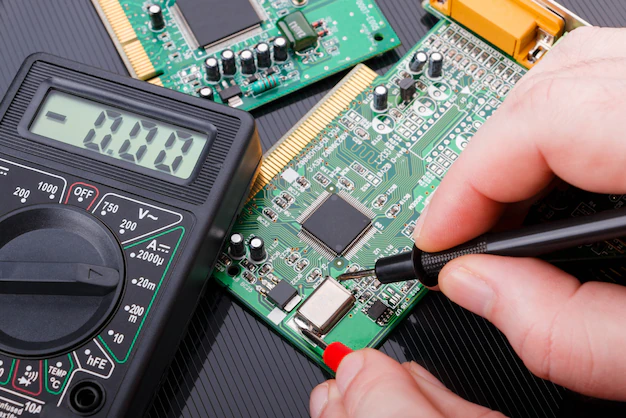
Integrating Sensors and Actuators into Your Prototype
Once you’ve chosen the right sensors and actuators, the next step is to integrate them into your prototype. This involves connecting them to your hardware and programming them to perform their intended functions.
For more insights on this topic, you can read about the benefits of hardware prototyping.
Conclusion
Prototyping with sensors and actuators is a complex process that requires a deep understanding of hardware design and programming. However, with the right approach and tools, you can create a functional prototype that meets your project’s requirements.
By Ethan Carter, Published on 2025-11-03
